Lawmaker Fears Budget Scheme Will Resurface With Stricter Scrutiny
A Thai lawmaker warns that a cancelled 400-billion-baht budget scheme for energy projects will likely resurface with better-hidden irregularities, making parliamentary oversight harder to enforce.
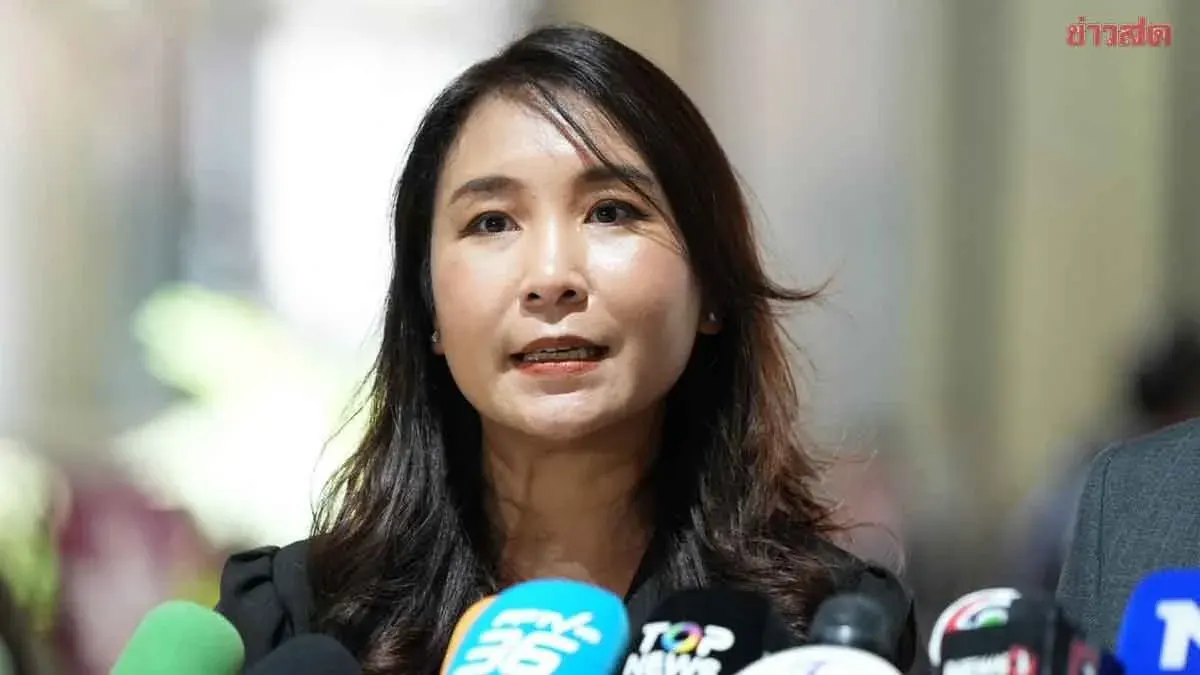
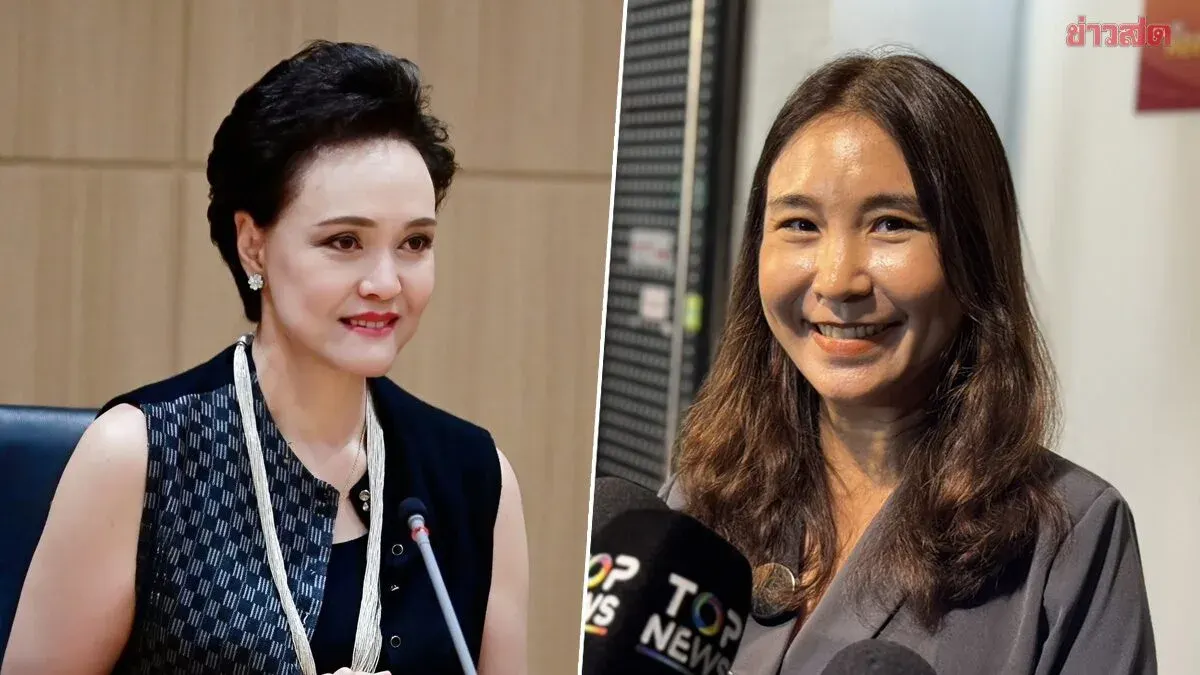
On July 13, 2025, at Parliament, Sirikanya Tansakul, a party-list MP and Pheu Thai deputy leader serving on the special budget committee, commented on the Department of Local Administration's decision to cancel its proposal for projects funded by a 400 billion baht emergency decree. Sirikanya said the cancellation was fortunate, as she had received information about the plan long ago but was awaiting the Constitutional Court's ruling. After she posted her concerns just one day ago—flagging the inclusion of projects that may not genuinely meet energy transition requirements, such as solar installation on equipment and vehicles—the department decided to withdraw the proposal. However, she believes this is not the end of the matter and expects the administration to resubmit the projects using revised procedures.
"This is a very large slice of the budget—200 billion baht—and every ministry wants a piece of it," Sirikanya explained. "The next time they submit, the conditions may not be as transparent. They will likely hide and obscure the details much more, making oversight significantly harder."
Despite this concern, she stressed the importance of close monitoring and thanked those who had provided tip-offs and civil servants and local government officials who have raised red flags. She said that if irregularities emerge again, these groups would likely come forward with information, allowing problems to be caught before projects begin.
Sirikanya noted that many ministries have already submitted projects through a screening committee. She hopes the parliamentary committee will rigorously track spending from the 400 billion baht emergency loan, scrutinizing every baht. She reiterated that the original scheme was flawed from the start, as achieving genuine energy transition within one year—despite the large budget—is unrealistic. She vowed to minimize spending in this area in favor of other priorities, such as the smart grid transmission line project funded by state enterprises.
When asked whether any projects in the 400 billion baht decree duplicate those in the 2570 fiscal budget, Sirikanya confirmed she had found approximately 3 billion baht in overlaps, including solar roof and solar irrigation projects. She instructed relevant agencies to clarify which budget source should be used and to avoid drawing from both simultaneously.
She also flagged potential overlap between the 400 billion baht decree and the 12 billion baht economic recovery plan budget. Notably, the 12 billion baht scheme involves cost-sharing between the government and budget-holding agencies—such as the government funding half and local authorities funding the other half—which she sees as an opportunity to mobilize accumulated funds. However, if agencies also draw from the emergency loan, she expressed concern about project effectiveness and suggested reallocating that money to underfunded areas, such as research budgets that were cut by 1.3 billion baht or welfare programs that fell short of announced levels, to ensure every baht delivers maximum value.