Lead Detected in Chiang Rai Villagers, Residents Blame Mining Pollution
Health screenings in Mae Sai district, Chiang Rai, have detected lead in four of 28 tested villagers, sparking fears of chronic exposure through the contaminated Sai River. Residents suspect upstream mining operations and are demanding government action to stop the pollution and provide medical support. The public health minister and provincial officials plan to visit the area on November 25 to assess the situation.
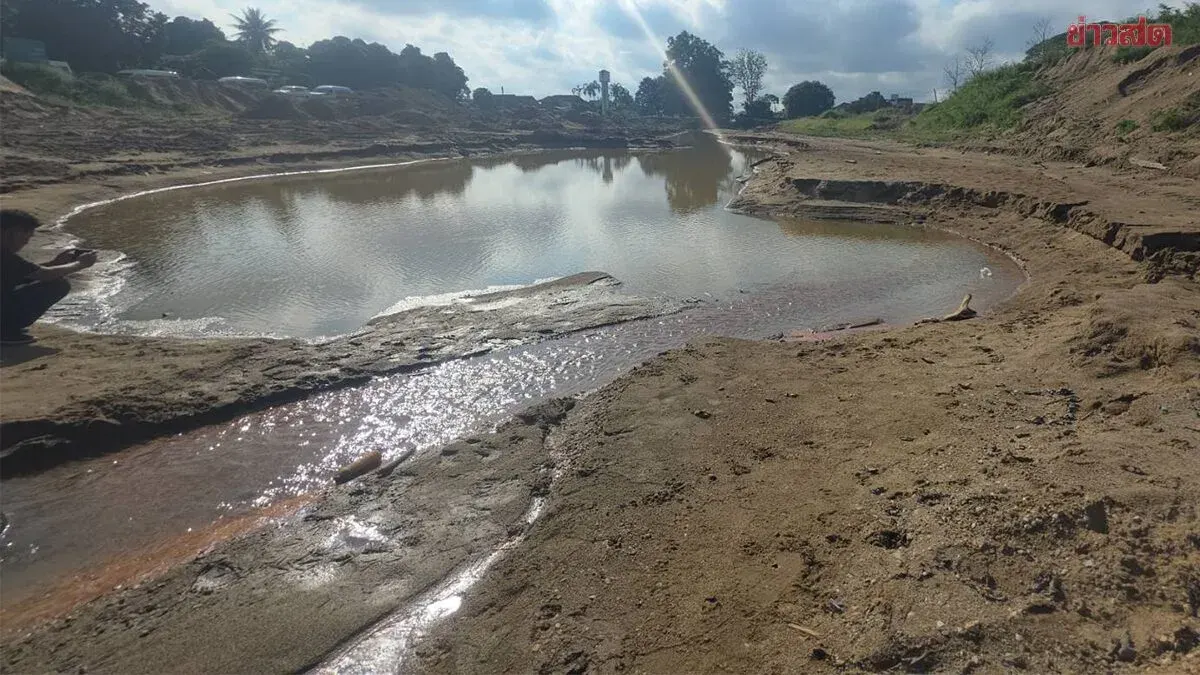
Chiang Rai — Villagers in Mae Sai district, Chiang Rai province, are voicing concern over chemical contamination in the Sai River after health checks found lead in the bodies of four people out of 28 tested, while roughly 80 residents have undergone screening in total. The findings have caused panic, especially among the elderly and those lacking awareness of lead's health impacts.
Sanmana, a 45-year-old villager, said the problem stems from daily water use for both consumption and agriculture, creating a risk of contaminant exposure. Although some lead can be excreted naturally, continuous intake is worrisome because farmers cannot fully stop using the at-risk water sources, raising fears of accumulation and long-term health effects.
"We believe the problem originates from mining activities upstream. We want the government to urgently fix the root cause and stop the pollution, and for relevant agencies to genuinely help the people, because villagers have no power to negotiate with the parties involved — we can only gather to show our strength and reflect our anger," said Ms. Kannika.
On November 25, Public Health Minister Phatthana Phromphat, the Chiang Rai governor, and the Mae Sai district chief are scheduled to visit the area to monitor the situation, hear the problems, and find ways to assist affected residents.