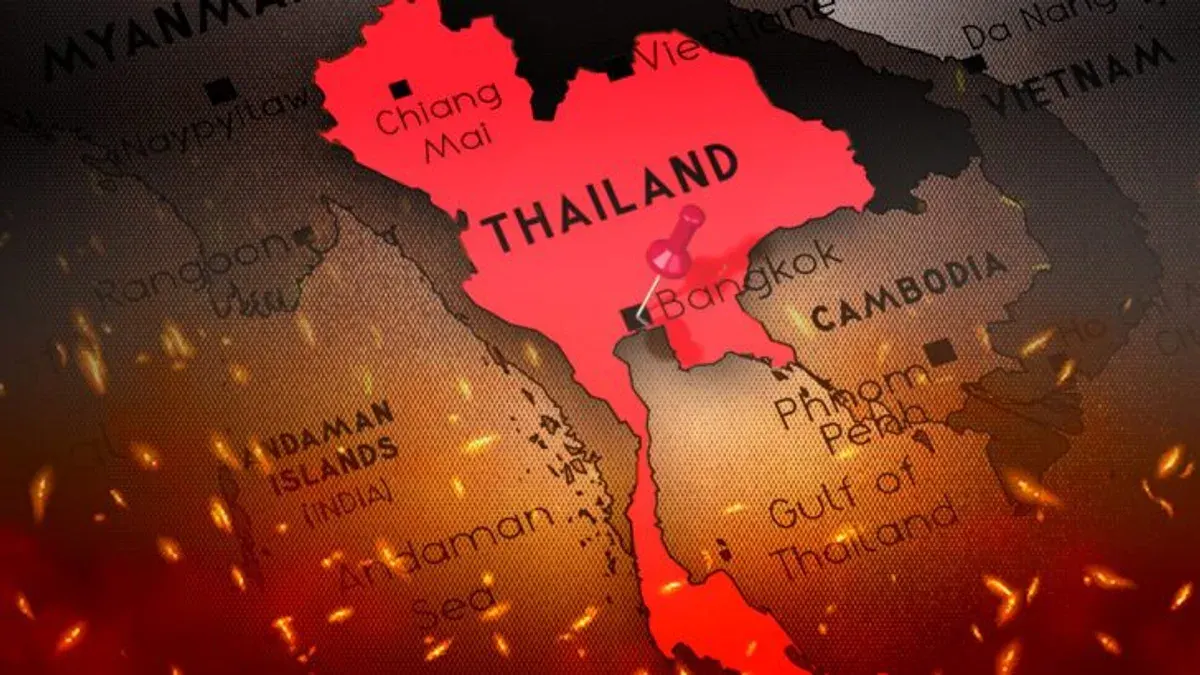
Local Exam Cheating Scandal Raises Fresh Questions
Over 5,900 local government officials were removed from exam lists after investigations uncovered widespread fraud involving altered answer sheets and billions of baht in suspicious payments. The scandal has sparked questions about the orig
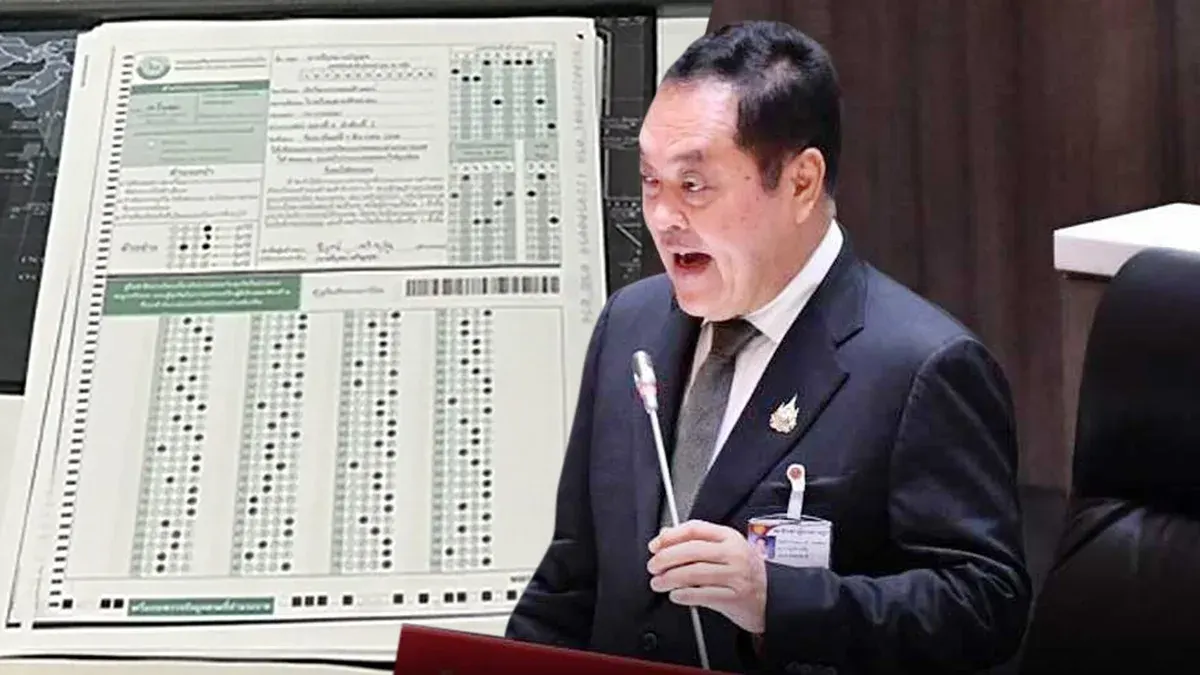
The local government civil service exam fraud case continues to dominate headlines as investigations reveal deep-rooted corruption in test score manipulation. Intensive scrutiny has exposed numerous irregularities linked to multiple groups, resulting in a complete overhaul of the exam candidate roster. The Interior Ministry confirmed that 5,925 officials implicated in fraud were removed from the local exam list, with legal proceedings launched against several officials, most prominently a former director-general of the Local Government Promotion Department accused of altering answer sheets.
Declaring this matter resolved would be premature, as public skepticism persists despite official assurances of comprehensive action. Data disclosed by Deputy Police General Thawi Sodsoong regarding a legal commission investigation only deepens suspicion. Before the original exam results were announced, the 19-member Central Local Government Employee Examination Committee held the authority to declare winners and losers—yet weeks later, answer sheets were mysteriously altered to produce higher passing scores. This raises critical questions: on what criteria did the committee base its initial decisions, and did they even review actual test scores or simply follow predetermined lists?
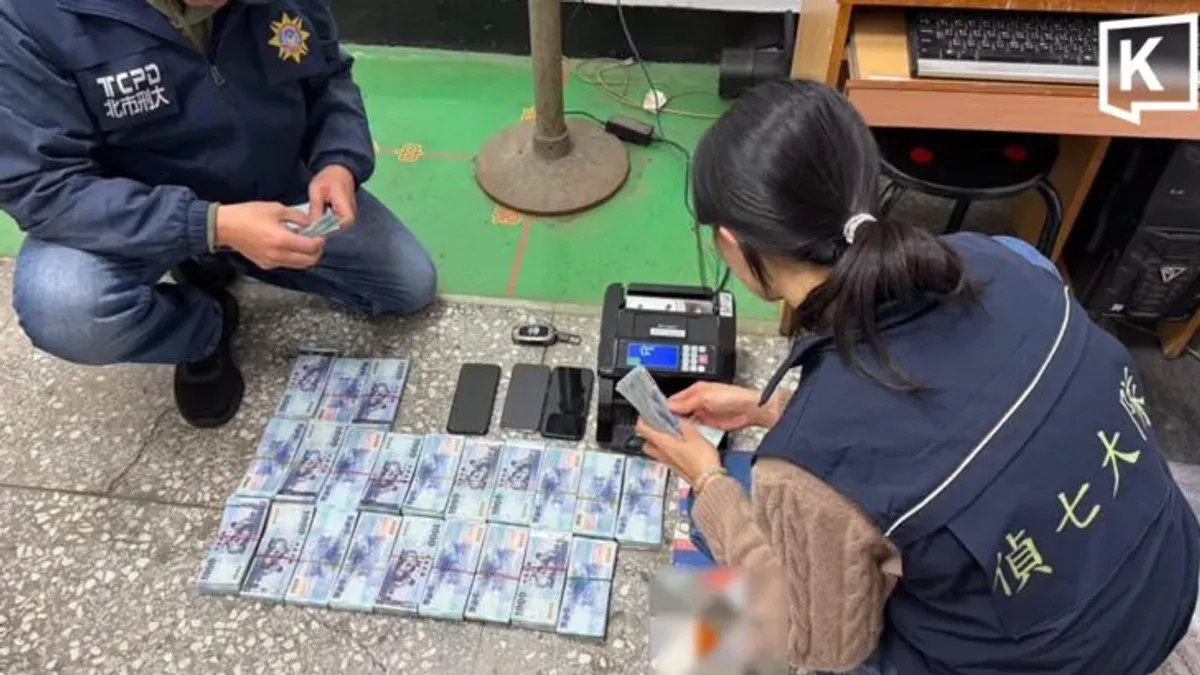
Beyond the altered sheets, investigators must answer who ordered the tampering and who orchestrated it. What accountability will the 19 committee members face for announcing results unlinked to actual scores—did they act alone or under direction from above? Reports suggest approximately 4.5 billion baht changed hands in connection with the exam fraud, yet the path of those funds remains opaque: who received payments, what were they used for, and do they connect to 2024 election planning as some allege?
Evidence suggests a coordinated scheme rather than isolated wrongdoing. Why was the original exam contractor replaced, removing Burapha University's bid after it faced complaints? What defects in the state tender process justified canceling the original winner? Could this be the first brick in a larger corruption foundation? The government's lack of curiosity about these questions is telling. Thailand appears destined to face recurring crises of this nature.