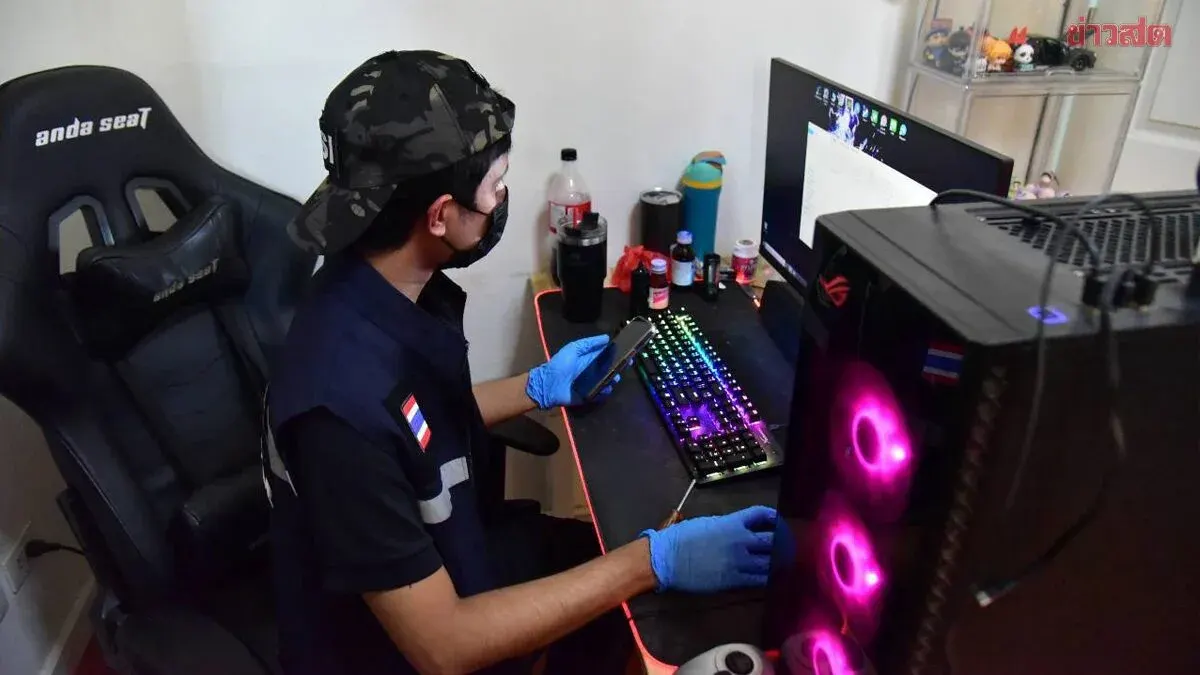
Corruption Probe Uncovers 5,000+ Suspects in Local Exam Scam
A corruption investigation into a local government entrance exam scandal has identified over 5,000 suspects, with the highest concentration in Southern Thailand, according to a senior lawmaker who suspects systematic fraud coordinated at mi
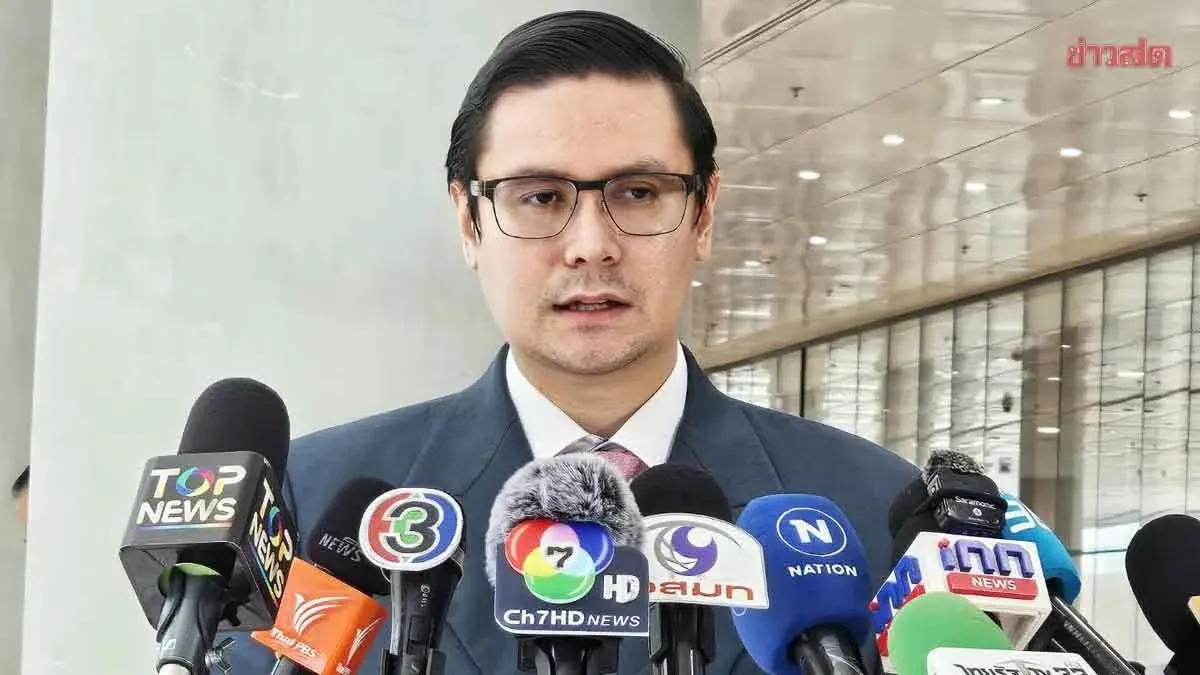
Rangsiman Rome, deputy leader of the Pheu Thai Party and chairman of the House committee on law, justice, and human rights, revealed on September 3, 2569, that corruption suspects in the local government entrance exam scandal have soared to over 5,000. The Department of Local Administration holds far more names than Srinakharinwirot University's tally of 5,121, with the highest concentration found in Southern Thailand.
The committee is now targeting individuals with no direct connection to exam administration. Some state officials claim the Department of Local Administration arranged discussions between Thongjure, an adviser to the Prime Minister, and Srinakharinwirot University regarding centralized exam oversight. However, the university confirms meeting Thongjure but denies discussing exam procedures.
Rangsiman stated that the Department of Local Administration has wrongly drawn uninvolved personnel into the scheme, enabling massive fraud, position trafficking, and exam result manipulation.
A critical juncture involves Prime Minister Anuthon Chaivirakul and the Interior Ministry delaying a contract signing with Burapha University scheduled for January 10–16, 2567. The delay resolution came January 17—one day after the deadline—with no contract finalized. A complaint against Anuthon was filed January 5, allegedly by a Sisaket resident, preventing the Burapha agreement.
Rangsiman emphasized the need to identify who orchestrated these actions. After the delay, an investigation committee was formed, yet the Interior Ministry found no Burapha misconduct and suggested using exam results from the Civil Service Commission instead of conducting fresh exams—a recommendation the Central Local Administrative Employee Examination Committee rejected.
Rangsiman theorized the entire exam corruption network operates systematically, similar to a criminal organization, originating when Anuthon was deputy premier. Meeting notes show a National Anti-Corruption Commission (NACC) assistant secretary attended sessions Anuthon participated in.
Uncertain when fraud began, Rangsiman suspects January 17 marked the starting point, with numerous actors involved and systematic coordination. He questioned when investigators would uncover the truth, given multiple participants and coordinated schemes.
"We face what appears to be a criminal organization involving state power, minister-level officials, senior civil servants, and the business sector—all universities operating systematically to sell positions and block qualified candidates who studied diligently," Rangsiman stated. "This is a criminal enterprise headed by minister-level individuals."
Rangsiman also criticized the lack of progress from Deputy Prime Minister Pakorn Nilpraband's task force, which compiled corruption data without submitting it to the NACC. He questioned why the Prime Minister is withholding the findings and why the matter has not been forwarded to anti-corruption authorities for investigation.
The NACC continues examining answer sheets and has requested cooperation from relevant agencies.