Mae Ai Villagers Farm Toxic Land Despite Health Risks
Mae Ai villagers continue farming arsenic- and lead-contaminated land along the Kok River because they lack alternative farmland, risking health for daily income.
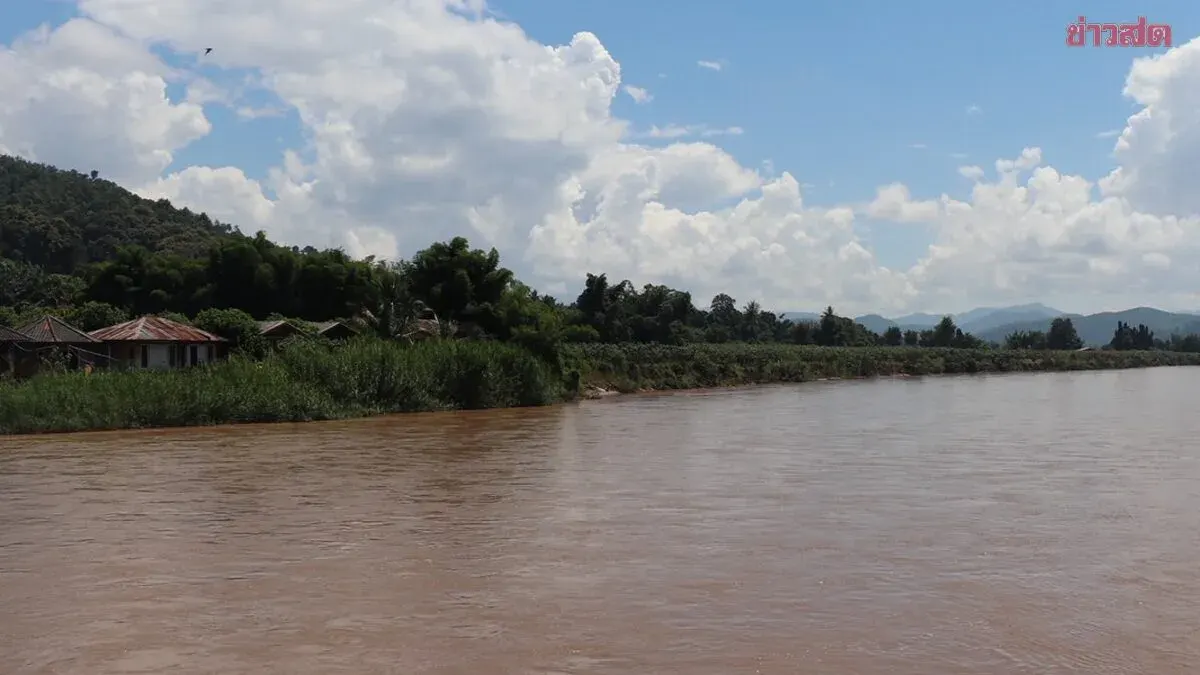
Mae Ai residents have no choice but to keep farming contaminated land, risking exposure to toxins in the Kok River. With no other land to cultivate, they must work to eat and sell produce day by day.
November 16, 2026 – Ms. Saengrawi Suwikorn, Vice President of the Rong Pho Foundation, revealed that villagers in Mae Ai district, Chiang Mai, have been anxious since late last year after learning of toxic contamination in the Kok River. Tests detected arsenic, lead, and cadmium above standards in 24 types of vegetables and fruits. Villagers feel helpless and can only wait for the state to fix the problem. Meanwhile, unclear information — such as whether produce with residue below standards is safe to eat — has led them to keep farming their own land for family consumption and daily income.
"Many families have no other farmland, and there is still no tangible solution. So villagers must continue planting in the same areas, even knowing they risk toxic contamination," Ms. Saengrawi said.
The Foundation's Vice President added that the government must urgently establish immediate, medium, and long-term response plans. The Foundation previously proposed a risk map, but the government did not act, so they created one themselves, designating red, yellow, and green zones. The most pressing need is safe drinking water, as villagers currently must buy water daily. The Foundation has surveyed natural water sources for a mountain water supply in Tha Ton subdistrict, which are sufficient but lack storage facilities.
Second, the government must address food safety. In the red zone, toxins were found in produce; the state must ensure villagers have safe food to eat and build food security. Clear information on how the problem will be solved is needed, because villagers cannot farm in the red zone. In the yellow zone, the government must advise on crops that provide sustainable income. In the green zone, where no river toxins exist but produce has already been affected by stigma, the state should help promote and market villagers' products so they can live normally.
Source: Matichon Online