Mae Sai Cooperative Resumes Rice Purchases After Safety Clearance
The Mae Sai Agricultural Cooperative in Chiang Rai has resumed buying rice from local farmers after university lab tests confirmed the crops meet safety standards, easing fears from earlier reports of rodenticide contamination in the Sai River. Government officials, including the Department of Internal Trade director-general, visited the area to monitor purchasing and restore confidence, while paddy prices have risen to around 9,100 baht per ton.
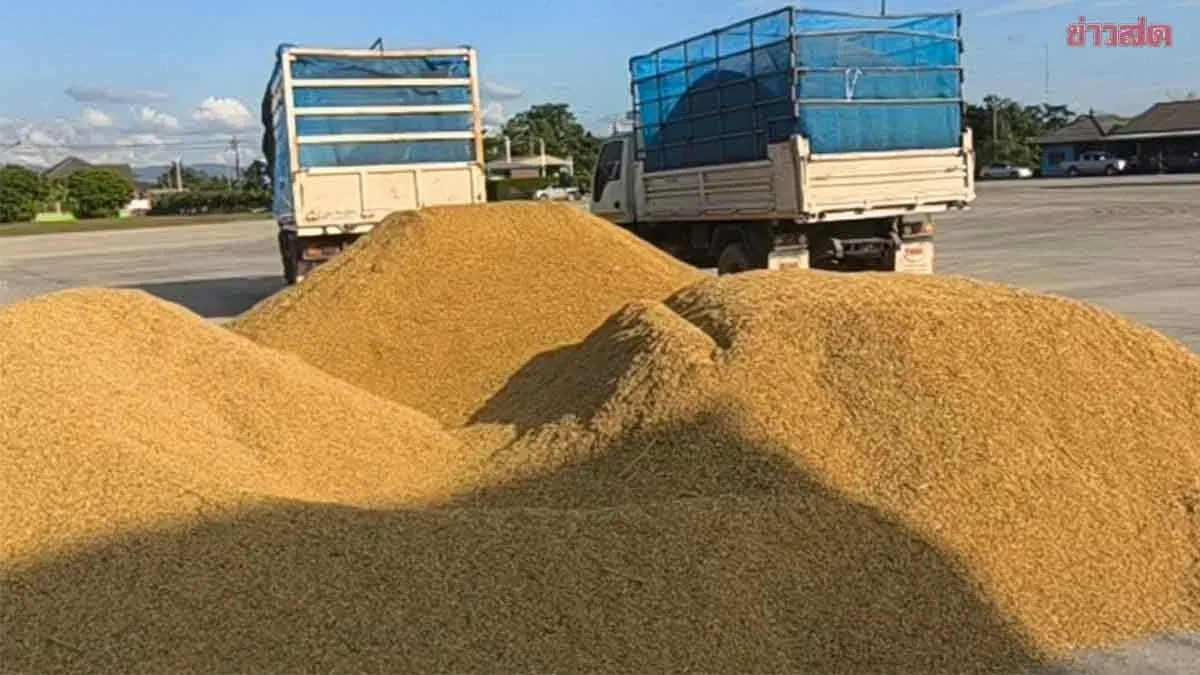
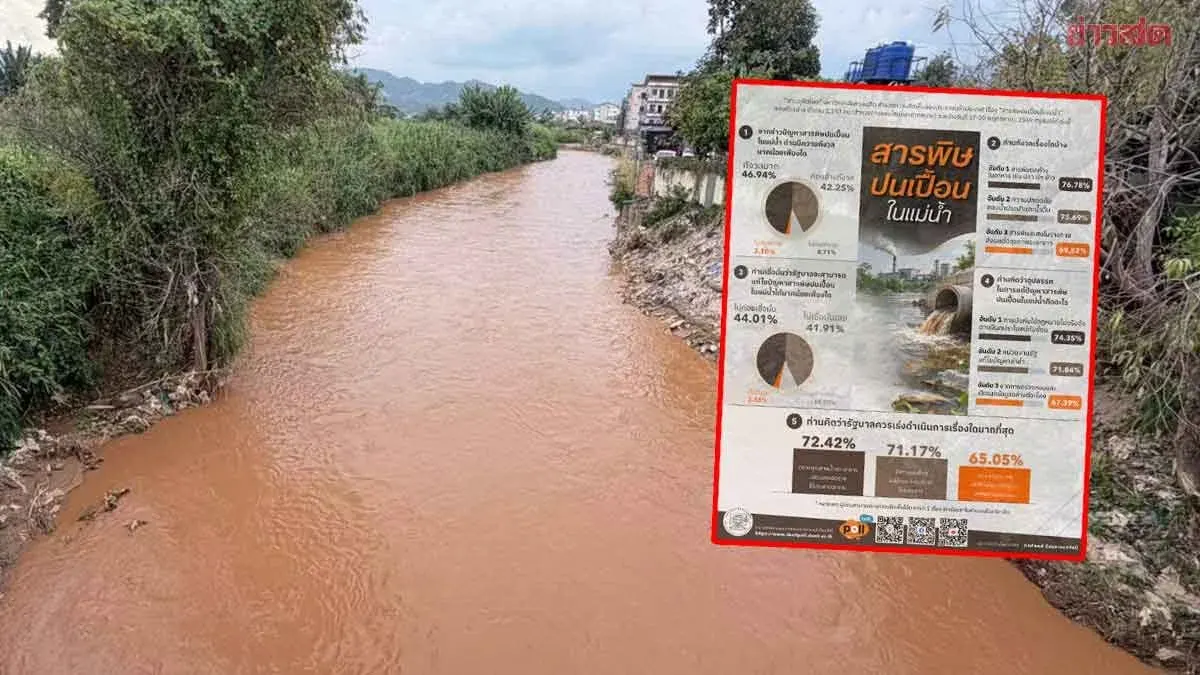
Chiang Rai — The atmosphere at the Mae Sai Agricultural Cooperative Limited, Sri Mueang Chum branch, in Mae Sai district, Chiang Rai province, has become bustling once again after the cooperative reopened purchases of produce from local farmers for the harvest season. This follows a wave of concern over rodenticide contamination in the Sai River, which caused some rice mills and buyers to delay purchases, creating anxiety among area farmers.
However, test results from Rajamangala University of Technology Lanna Chiang Rai have confirmed that rice samples submitted for testing meet safety standards, allowing farmers to sell their produce once more.
Nang Warnee Jai-kam, 49, a farmer using water from the Sai River in Ban Sri Pa Sak, Sri Mueang Chum subdistrict, expressed great relief upon learning the rice passed safety standards and the cooperative resumed buying. She had been deeply worried, especially about debt and household expenses, unsure where to sell her harvest if no buyers were available. The rice she sold this round was RD6 glutinous rice from about 20 rai of cultivation, fetching over 9 baht per kilogram — a satisfactory price better than initially expected. She still has about 3 rai left to harvest, using both irrigation and groundwater sources.
"Previous news reports that presented data as if covering all of Chiang Rai province affected farmers and caused worry, even though each area has different water sources and environments. I want to see areas separated and assessed based on clear test results, without damaging farmers not in risk zones, because we already bear costs and debt. Even as we prepare for the next crop, we don't know what situation we'll face; we must keep fighting to support our families," Warnee said.
Mr. Wathansak Suea-iam, Director-General of the Department of Internal Trade, Ministry of Commerce, along with Ms. Yani Siramanee, Deputy Director-General of the Department of Internal Trade, Mr. Narasak Suk-somboon, Deputy Governor of Chiang Rai, Ms. Suphamit Tengphai, Chiang Rai Provincial Commerce Officer, Mr. Banjong Tangjitra-watthana-kul, President of the Thai Rice Millers Association, Mr. Natthachanant Suriyakraikul, President of the Chiang Rai Rice Millers Club, as well as provincial cooperative representatives, the Bank for Agriculture and Agricultural Cooperatives (BAAC), and the Mae Sai Agricultural Cooperative, visited the area to monitor the paddy purchasing situation for the 2026/27 production year and discuss measures to buy produce and restore farmer confidence at the Mae Sai Agricultural Cooperative Limited, Sri Mueang Chum branch, Mae Sai subdistrict, Mae Sai district, Chiang Rai province.
Mr. Wathansak stated the visit follows orders from Prime Minister Anutin Charnvirakul and Deputy Prime Minister and Commerce Minister Supachai Suwannaphon, who are concerned about reports of rice mills halting paddy purchases in Chiang Rai. After discussions with the Rice Millers Club and local mill operators, all confirmed readiness and willingness to purchase produce from farmers in full to prevent farmers from being affected by the confidence crisis.
Regarding fresh paddy prices, they have been adjusting upward continuously from 9.10 baht per kilogram, or approximately 9,100 baht per ton, as of November 21.