Mae Sai Residents Fear Flooding and Water Safety Linked to Mining
Residents of Mae Sai District blame upstream mining operations for increasingly severe flooding and drinking water contamination, with researchers urging the government to make river cleanup a national priority.
Mae Sai Residents Fear Flooding and Water Safety Linked to Mining
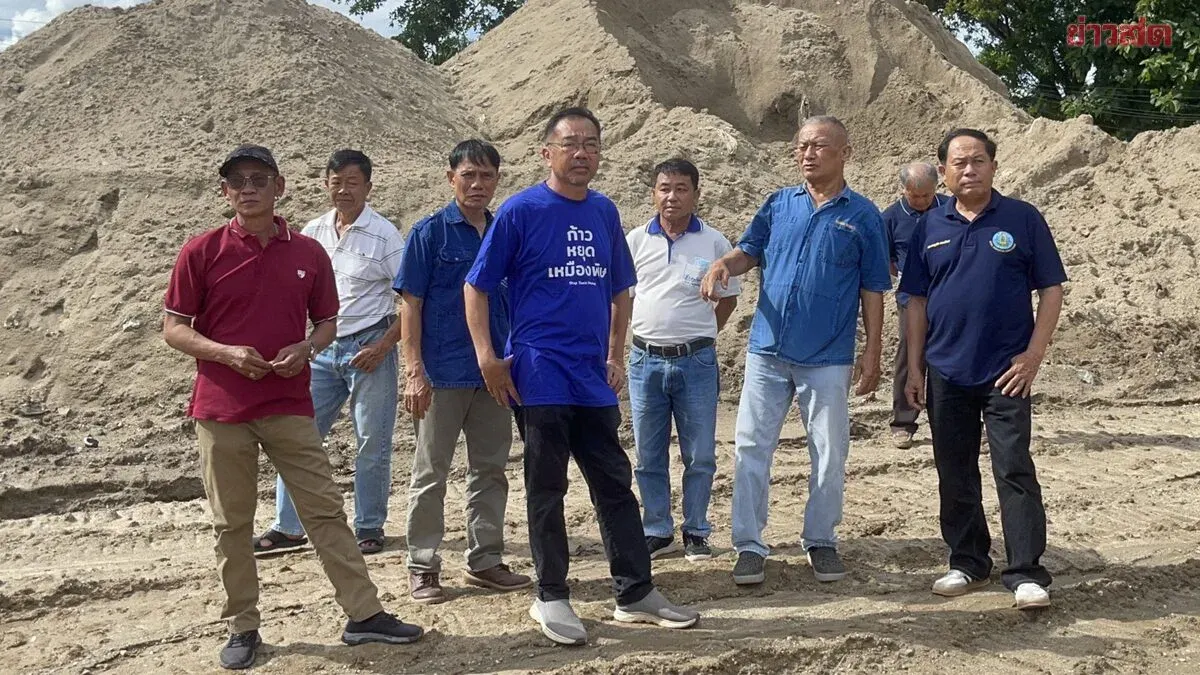
July 30, 2026 — Dr. Suebsakul Kitnugkul, a lecturer and researcher at the School of Social Innovation at Mae Fah Luang University, led a team investigating flooding impacts and water contamination in the Tham Pha Chom and Sai Lom Joi communities of Mae Sai District, Chiang Rai Province.
Dr. Suebsakul identified two major concerns from residents: increasingly severe and frequent flooding, and loss of confidence in drinking water safety. Residents reported that since 2021, Mae Sai has experienced flooding nearly every year or every other year—a stark contrast to the past when such events were rare. Floodwaters carry large quantities of mud and sediment into communities.
Residents believe mining operations less than 10 kilometers upstream are the root cause, leading to soil erosion and increased sediment in the river. They argue that flooding cannot be solved without simultaneously addressing the environmental damage from mining upstream. Regarding drinking water, although residents rely on municipal water supplies, they remain concerned about safety since the source waters are contaminated by mining activities. The water authority has attempted to switch to raw water from the Mekong River, but pollution tests by the Department of Pollution Control still detect toxins, heavy metals, and sediment in multiple areas—a "jumping from the frying pan into the fire" solution, residents say.
Dr. Suebsakul concluded that contamination in the Kok, Sai, Ruak, and Mekong rivers must be elevated to national priority status. He urged the government to use an upcoming visit by Myanmar's leader on August 6–7 to seriously discuss mining impacts and accelerate upstream remediation before effects expand further and threaten future food security.