Thai Courts Allow Community Service in Place of Fines
Thai courts now allow defendants without funds to perform community service instead of paying criminal fines, at 500 baht per day, reducing unnecessary imprisonment for those unable to pay and ensuring fairer treatment regardless of economi
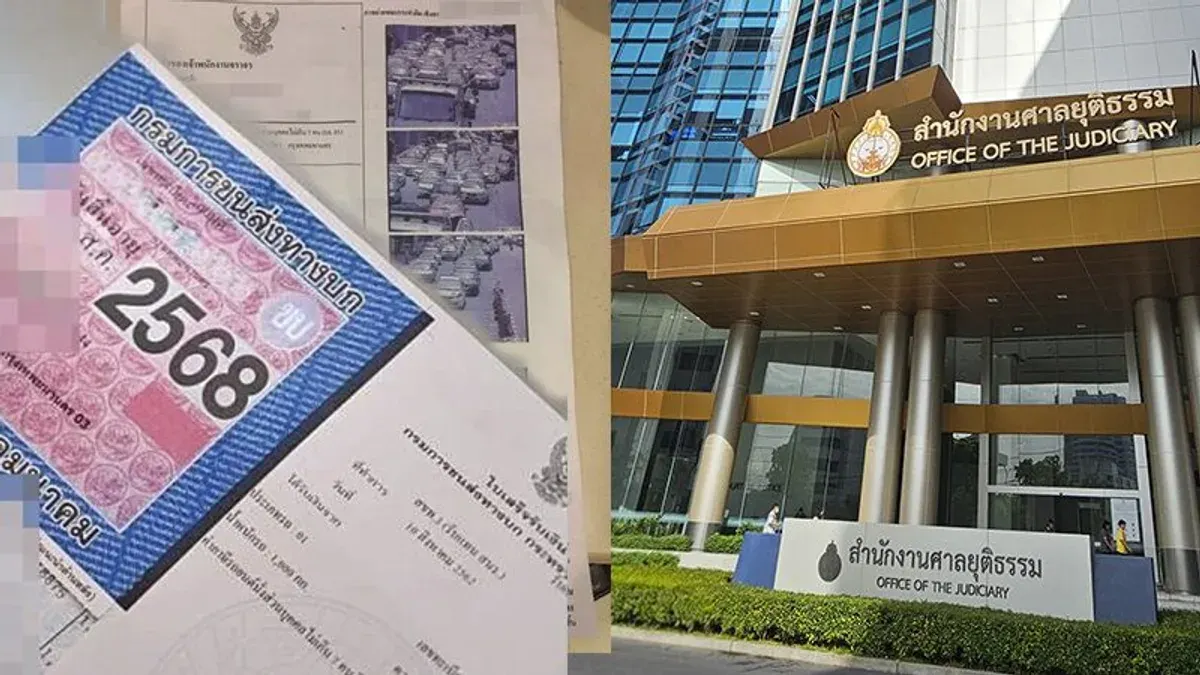
Thailand's courts have introduced a significant reform allowing defendants who lack funds to perform community service or public-benefit work instead of paying criminal fines, at a rate of 500 baht per day, with options to defer or extend payment based on financial circumstances. Detention as a substitute for fines is now a last resort only.
Previously, many defendants willing to accept responsibility faced imprisonment simply because they could not pay fines immediately, even in cases where the sentence was only monetary. Loss of freedom due to poverty becomes a heavier burden than the original offense and damages families, employment, and rehabilitation prospects.
The new guidelines reflect sound principles by distinguishing between punishment and retribution. Offenders remain accountable but can repay society through community service such as caring for the elderly and disabled, teaching, skilled trades, or vocational training—all activities that benefit society more than pointless incarceration.
Importantly, the courts do not apply this measure uniformly. Exceptions exist for cases involving fraud, drug trafficking, money laundering, and financial crimes to prevent serious offenders from profiting from their crimes.
Since 2022, courts have approved 80 percent of applications to perform community service instead of paying fines, demonstrating the reform's practical effectiveness in reducing unnecessary detention. Installment payment options based on ability to pay help ensure equal access to justice, preventing economic status from determining who receives freedom or imprisonment. The core principle is true legal equality: wealthy and poor should not receive different treatment under the law. This principle should guide not only the courts but also the executive and legislative branches in running the country and enacting laws to protect citizens' rights equitably.