Thailand's ambitious 40-baht rice curry subsidy program has stalled before launch due to public and business backlash, prompting the Commerce Ministry to redesign the initiative addressing rising meal costs that have jumped 5-33% nationwide
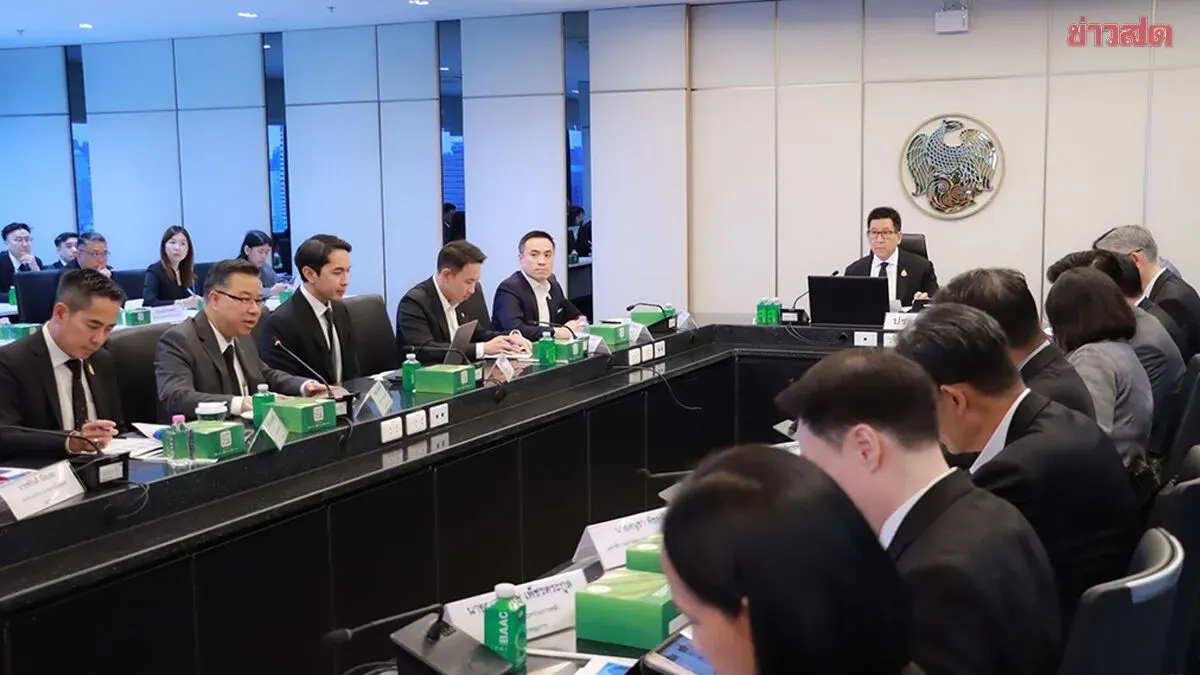
The "Thai Rice Curry Helps Thailand" initiative by Deputy Prime Minister and Commerce Minister Supachai Suthammaphand, aimed at offering affordable 40-baht meals, has collapsed before launch following intense backlash from the public, restaurant owners, and private sector. The Commerce Ministry has postponed cabinet submission to allow relevant agencies to review and redesign the program appropriately.
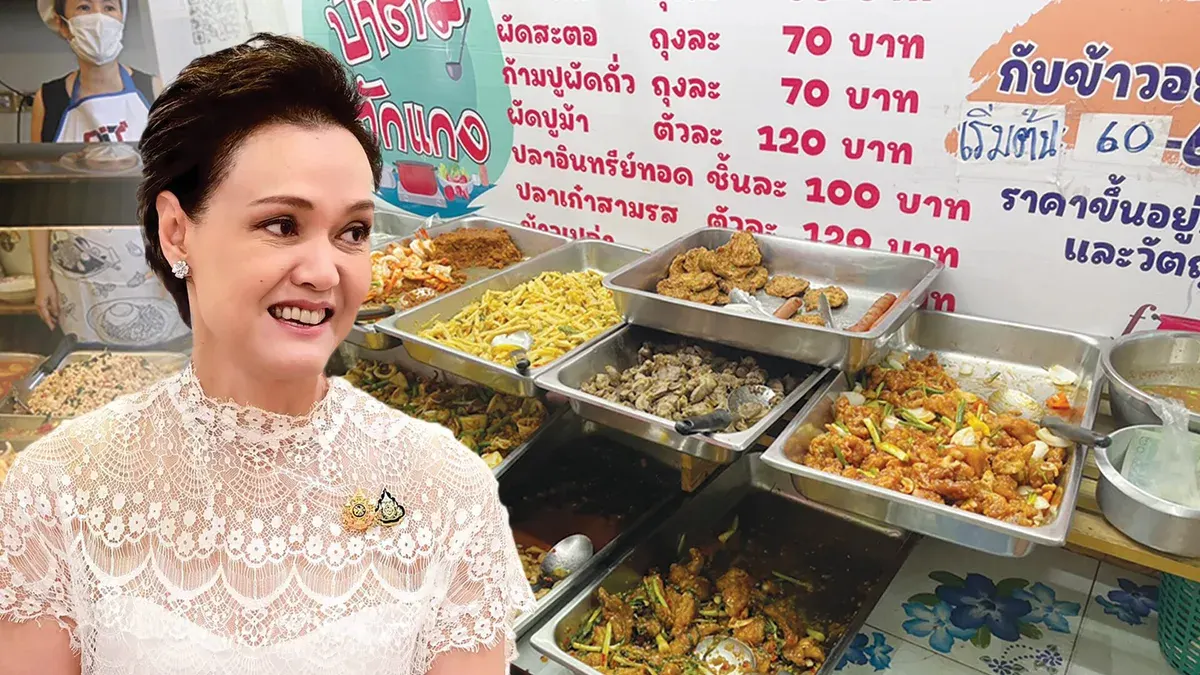
This issue has drawn wide public attention because rice curry meals are integral to the lifestyle of all working Thais, particularly salaried employees, serving as a barometer of living costs. Price fluctuations directly impact daily household expenses. Although the Commerce Ministry delayed the cabinet submission, Supachai insisted the project is not scrapped but needs proper redesign, noting that the idea emerged from public requests for government assistance with cost-of-living pressures.
Rice curry reflects living cost pressure
The Commerce Ministry prioritized addressing rice curry prices based on data from the Trade Policy and Strategy Office showing nationwide prices have risen continuously by an average of 5-10 baht per plate, increasing public expenses and inflation. June 2025 inflation rose 2.42%, the third consecutive monthly increase. Seven menu items show price hikes: fried rice, stir-fried soy sauce noodles, red pork rice, chicken rice with gravy, papaya salad, noodles, and basil-fried rice. Of 1,535 surveyed establishments, 438 raised prices (28.53%), with 182 increasing by 5 baht and 244 by 10 baht; some items jumped 8-33%, such as papaya salad rising from 30 to 40 baht, justifying government intervention.
Opening pathways for new model review
Following the suspension, Withayakorn Moneenat, Director-General of the Internal Trade Department, consulted with restaurant operators, wet markets, and the Thai Restaurant Association to gather proposals and determine current industry problems and needed government support to reduce operator costs while genuinely benefiting consumers.
Consumers must await clarity from the Commerce Ministry on the revised "Thai Rice Curry Helps Thailand" program's format, conditions, timeline, and concrete cost-of-living impact.
Policy design challenge
From a policy perspective, "Thai Rice Curry Helps Thailand" aims clearly to reduce living cost burdens, especially short-term, as food is a daily necessity. However, careful policy design must address multiple stakeholders—consumers, restaurant operators, raw material producers, and supply chain participants. Solutions should target costs rather than selling prices, with proposals that the Commerce Ministry should develop appropriate measures.