MHESI, SLRI Bring Synchrotron Light to Thai Businesses Nationwide
Thailand's Ministry of Higher Education, Science, Research and Innovation (MHESI) has partnered with the Synchrotron Light Research Institute (SLRI) to provide businesses nationwide access to advanced synchrotron light technology through 44 regional science parks. The five-year agreement aims to help Thai entrepreneurs, innovation companies, and deep-tech startups solve production challenges, develop new products, and boost competitiveness across key industries including agriculture, pharmaceuticals, automotive, and electronics.
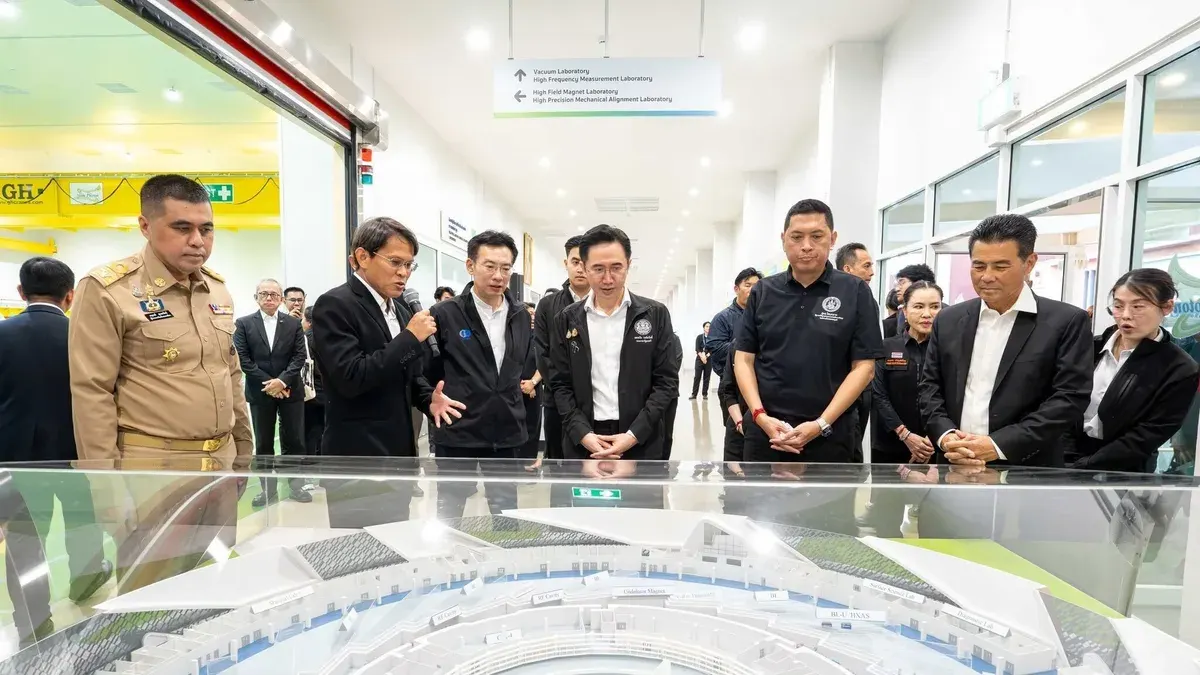
Good news for entrepreneurs! MHESI is partnering with SLRI to bring synchrotron light technology to the business sector through the mechanism of 44 regional science parks across four regions nationwide.
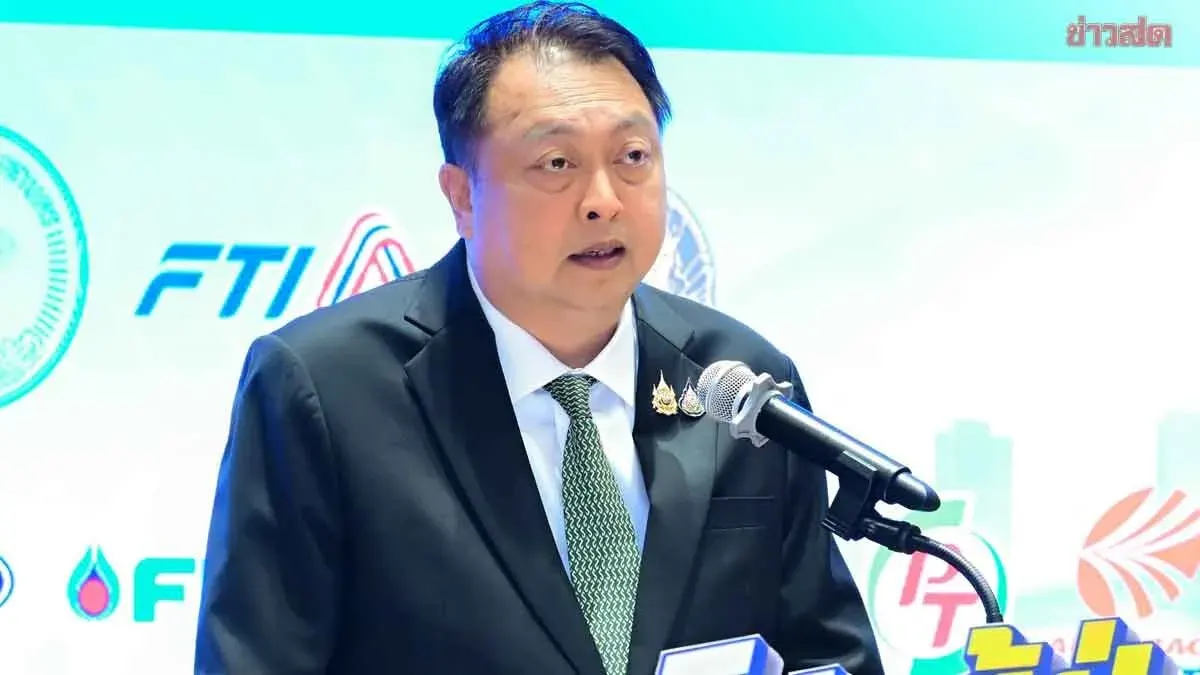
On November 6, 2026, Nikom Panyatawikij Paisan, Director of the Strategy and Planning Division and Acting Advisor on Strategy and Planning for Higher Education, Science, Research and Innovation at MHESI, together with Associate Professor Dr. Saroch Rujirawat, Director of the Synchrotron Light Research Institute, announced that MHESI and SLRI are driving cooperation to enhance the capabilities of Thai entrepreneurs. The initiative opens opportunities for the industrial business sector, innovation entrepreneurs, and deep-tech startups to access synchrotron light technology and national-level scientific infrastructure through the regional science park mechanism covering 44 locations nationwide. This supports research, product development, and solving production process problems, leading to commercial utilization and economic value creation.
Nikom further stated that the five-year memorandum of understanding links SLRI's technological potential and expertise with MHESI's entrepreneur support mechanism in local areas. Regional science parks serve as connection points between entrepreneurs and experts, supporting the gathering and analysis of needs, coordinating access to research services and scientific tools, and linking collaborative work with researchers so entrepreneurs receive services suited to their problems and business development goals.
Associate Professor Dr. Saroch said SLRI is ready to bring the potential of the "Siam Photon Source" and advanced analytical testing tools to support business problem-solving through comprehensive research services (Total Solution) and One-Stop Service. This covers in-depth molecular-level analysis using synchrotron light techniques, use of basic scientific instruments, technical and engineering services, and consultation from SLRI's expert scientists and engineers alongside researchers in the regional science park network. The aim is to help entrepreneurs develop product quality, improve production processes, and extend research to practical innovations.
Associate Professor Dr. Saroch added that services will cover target industries important to the economy at both regional and national levels: agriculture and food; medicine, pharmaceuticals and cosmetics; rubber and polymers; petroleum and petrochemicals; automotive; metals and ceramics; electronics and micro-components; textiles; and gemstones. The partnership will also promote human resource development through training, seminars, and technology transfer to prepare advanced science and technology capabilities for future industrial development.
Nikom concluded: "MHESI aims to use regional science parks as a key mechanism to bring science, research and innovation to support entrepreneurs in local areas. Cooperation with SLRI will increase opportunities to access advanced technology and research services that meet business needs, strengthen the regional innovation ecosystem, and sustainably enhance the competitiveness of Thai entrepreneurs."
Interested entrepreneurs, innovation businesses, and startups can request consultation and coordinate service use through the regional science park network.