Military Spokesman Defends Intelligence Operations in South Border
Military spokesmen defended intelligence operations in Thailand's southern border region following over 50 simultaneous disturbances, denying allegations of civilian casualties and stating the incidents were linked to insurgent psychologica
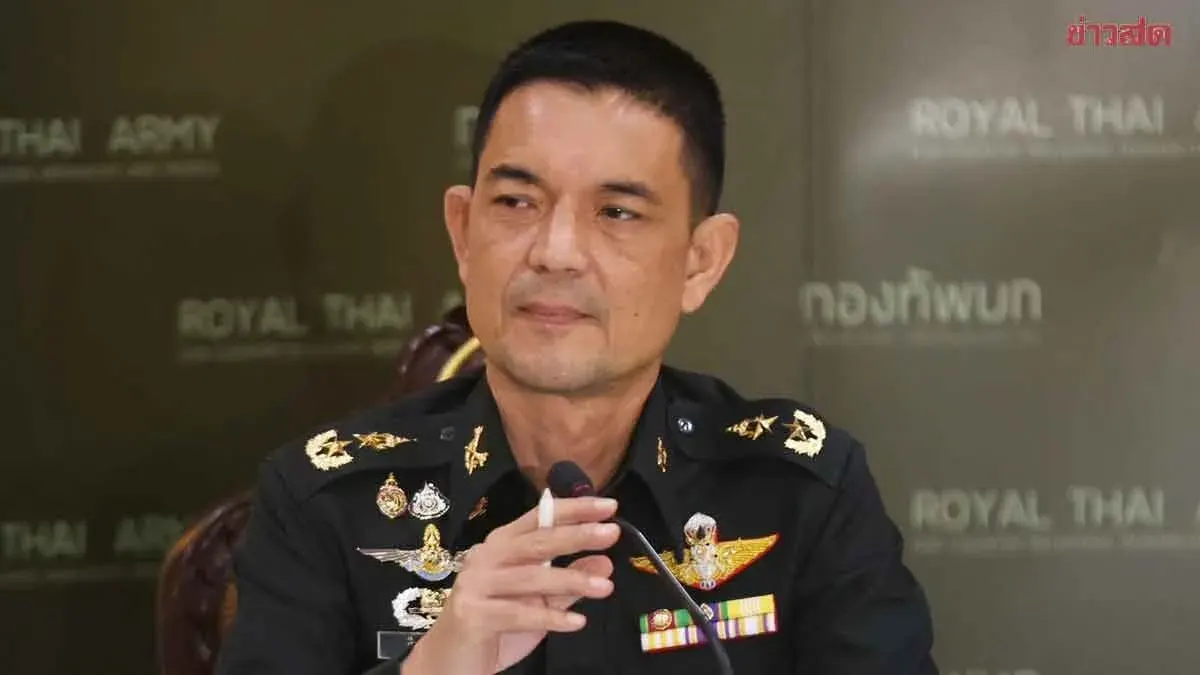
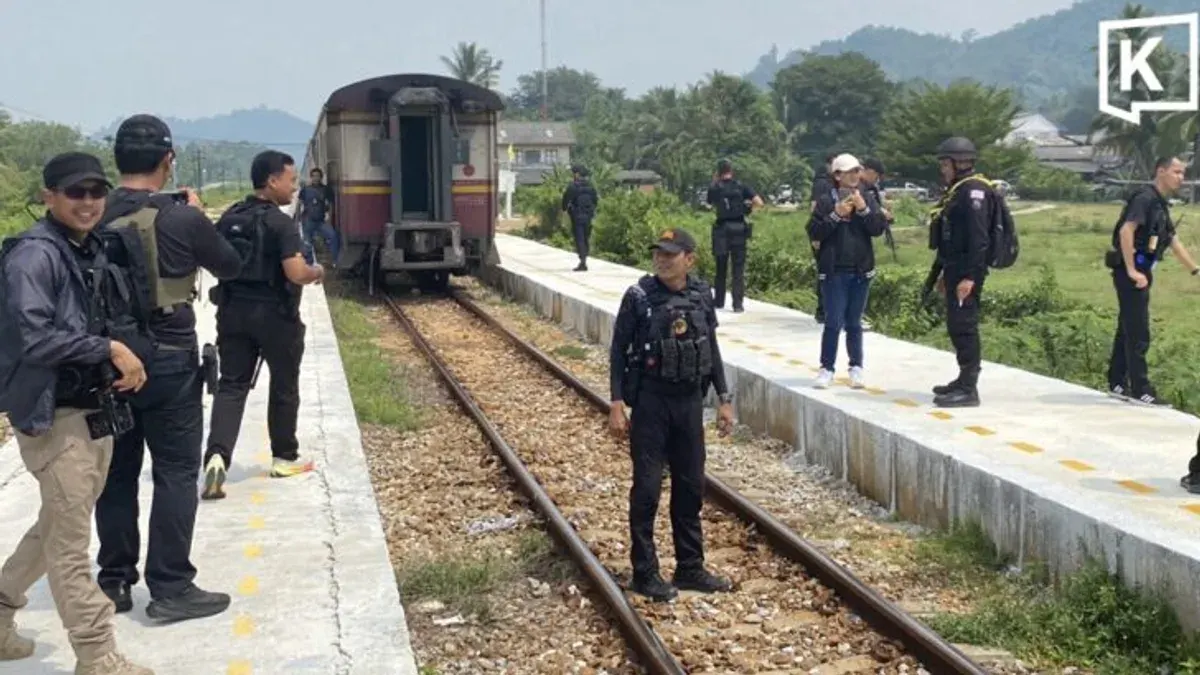
The Army commander has ordered improvements to intelligence gathering following over 50 disturbances in the southern border region. Military spokesman Surasant Kongsiri and Army spokesman Vindhai Suwari stated that intelligence operations have not failed but require enhanced effectiveness. They rejected allegations that helicopters fired on civilians, noting that such tactics are not feasible at night. All incidents are linked to the Barisan Revolusi Nasional (BRN).
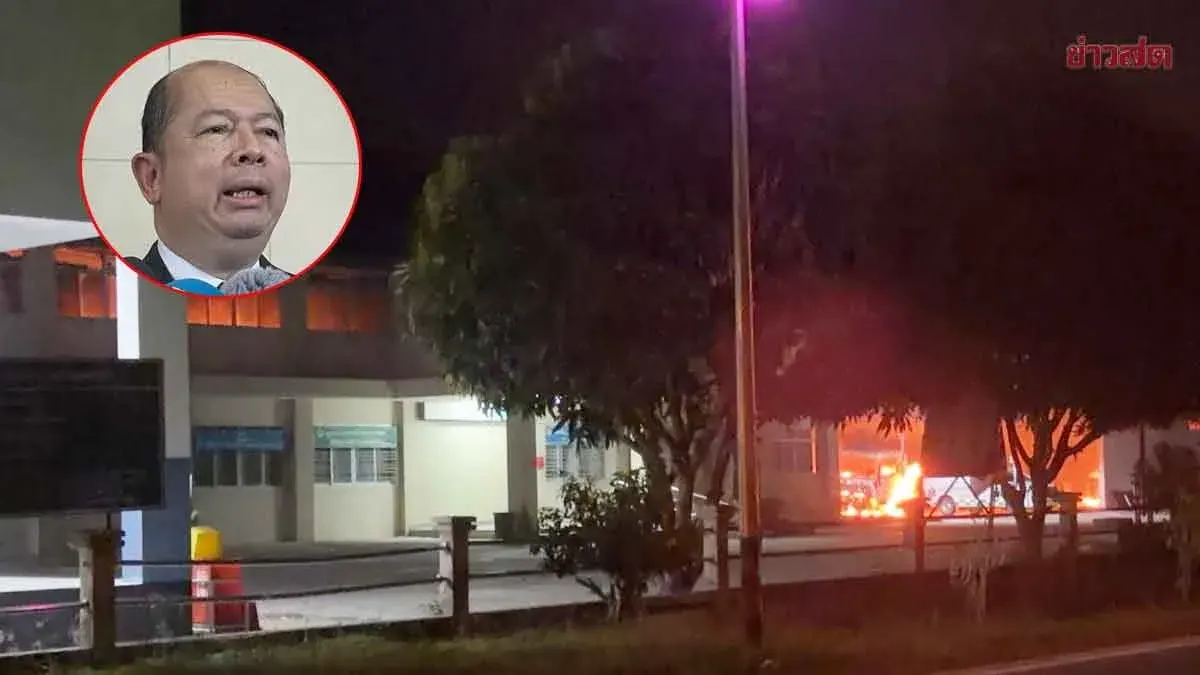
Spokesman Vindhai said the southern border provinces have suffered from deliberate misinformation and rumor-mongering intended to damage officials' reputations. The Internal Security Command, Region 4 Forward has adjusted its communication approach. The over 51 incidents occurring simultaneously across multiple areas were not intended to cause casualties but represented psychological operations using communications tactics. He acknowledged the chaotic period with large crowds moving about, while some officials remained deployed elsewhere, which may have created confusion and unverified reports, including statements from political figures.
Vindhai emphasized that helicopters are not designed for targets with rapid movement during nighttime when visibility is impossible. Military use of ground forces supporting internal security operations follows strict international protocols, making weapon use unlikely unless officials are attacked. Suspect tracking is ongoing with reasonable progress. Comparing area size to available personnel shows insufficient coverage, so standard security operations must be paired with improved intelligence work. Most incidents occur outside populated areas and are not high-priority zones. Military, police, and civilian strategies assign varying security concentrations to different areas. These disturbances primarily aim psychological impact on youth rather than casualties, using property destruction as symbolic messaging. Such operations are feasible given the large territory involved.