MP Challenges Local Civil Service Exam System Amid Corruption Concerns
A Thai MP challenged the centralized local civil service exam system, citing recent corruption scandals and arguing that local governments should regain control of hiring to better meet staffing needs.

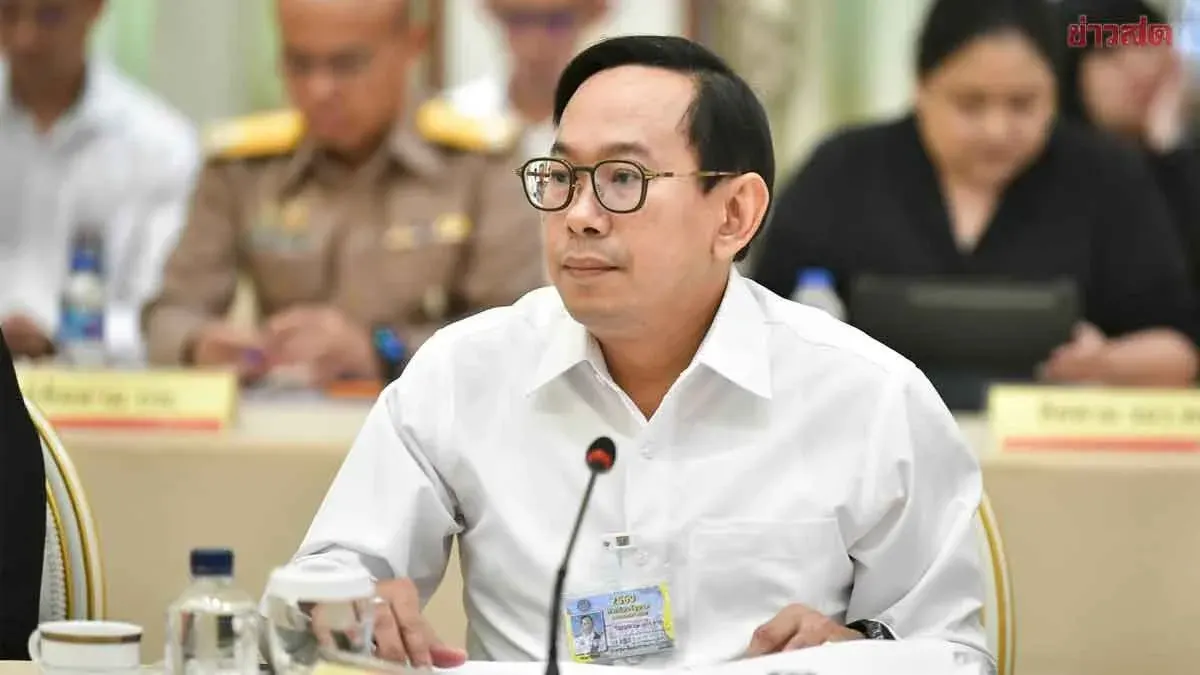
During parliamentary debate on July 1, 2569, Phakamon Hunnanon, a Pheu Thai party list MP, addressed the fiscal year 2570 budget structure regarding local government. While acknowledging the central government's step back in certain provincial budget allocations, she cautioned against framing this as prime ministerial sacrifice, noting that leaders must prioritize national and public interest. She emphasized that local revenue allocation remains unchanged at 29.35%, falling short of the 35% decentralization goal.
Phakamon called on the government to boost local revenue and unlock decentralization laws proposed by Pheu Thai to grant local administrations authority over additional fees and taxes. She also referenced the "Hometown, Hometown" bill from Bhumjaithai party.
Addressing personnel staffing, she highlighted a critical issue: local civil service examinations. Previously, local governments conducted their own exams, but the National Council for Peace and Order (NCPO) centralized this function, claiming it prevented patronage and fraud. However, Phakamon pointed out that recent news exposes widespread corruption in centrally-administered local civil service exams over the past two weeks.
She noted that before NCPO's order, local authorities held exams four times annually, but after centralization, this dropped to twice yearly or sometimes not at all, creating personnel shortages. When local offices lack staff simultaneously, waiting for central exams creates problems.
Phakamon argued that increasing central exams is not the solution. The central government already manages national development and shouldn't waste resources on tasks local administrations can handle independently. Local authorities best understand their own needs. She stressed that the important principle—though the NCPO claimed local governments corrupt while central government doesn't—is now demonstrably false nationwide. Rather than assuming only central control prevents fraud, the system should incorporate checks and balances through structural oversight.