MP Questions Solar Rooftop Project Pricing and Transparency
Democrat MP Jurin Nuankeaw challenged the government's household solar rooftop scheme in parliament, questioning its 140,000 baht pricing when market rates are 80,000-90,000 baht, and raising concerns about transparency, a 100,000 baht security deposit that excludes small contractors, and the Electricity Authority competing with private installers. Energy Minister Ekkanat Promphan defended the project as a clean energy transition funded by government loans to help households, arguing price competition benefits consumers.
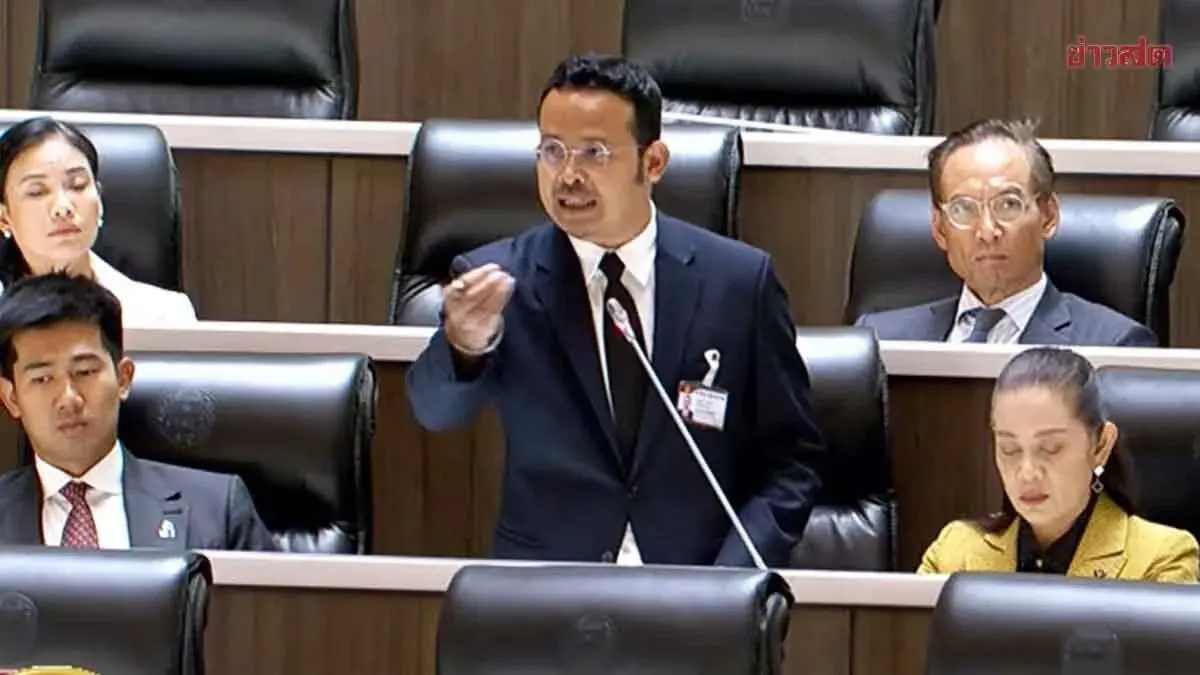
At 11:40 a.m. on November 5, 2026, during a House of Representatives session chaired by Speaker Sor Por Sor, Democrat Party deputy leader and Songkhla MP Jurin Nuankeaw directed an oral question to Deputy Prime Minister and Finance Minister Pichai Chunhavajira about management of the solar rooftop project. Pichai delegated Energy Minister Ekkanat Promphan to respond.
Jurin expressed disappointment that Pichai left the chamber instead of answering. He said the household solar project, which aims to turn home roofs into power generators to cut costs and allow sales back to the grid, is mired in doubt. The scheme involves a massive 200 billion baht in borrowed funds, raising transparency concerns and fears that politicians might use it to siphon money rather than benefit the public.
The government sells the 5-kilowatt systems for 140,000 baht with a 50,000 baht subsidy, yet many households have already installed similar systems for 80,000-90,000 baht. Jurin demanded the minister explain the project's drawbacks so people can decide whether to join.
Ekkanat defended the project as well-intentioned, born from a 10-year clean energy plan to reduce oil imports and produce 10,000 megawatts of clean power for new industries. The Electricity Generating Authority will buy the power at good rates, expanded from a previous 100-megawatt cap, to prevent big capital from dominating. Government loans help households invest since they lack capital.
Ekkanat added that price competition among installers benefits homeowners, who choose the cheapest option.
Jurin countered that the government initially recruited installers without conditions, then suddenly required a 100,000 baht security deposit, excluding small contractors who cannot compete with large firms. He also noted the Electricity Authority itself installs systems, effectively competing with small operators, creating unfair competition. He asked what plans exist to protect small contractors.
Ekkanat responded...