MP Rome Challenges Anutin Over Committee Summons Authority
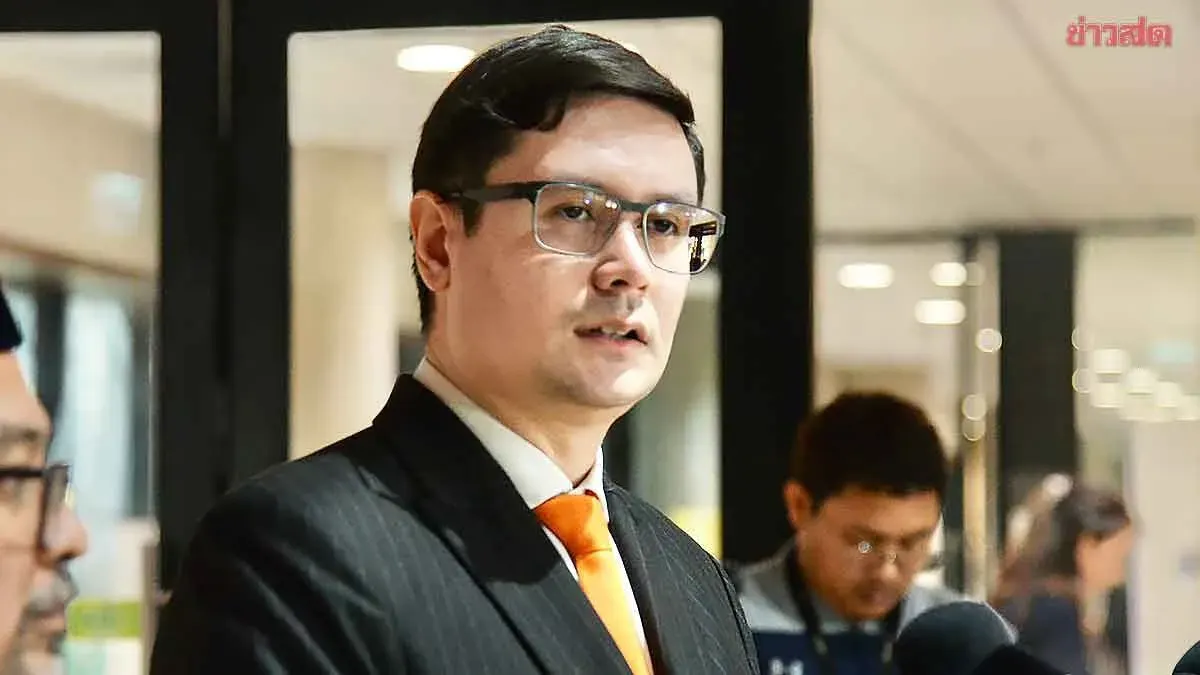
People's Party MP Rangsiman Rome, chair of the House legal affairs committee, challenged Deputy Prime Minister Anutin Charnvirakul over whether his 'acknowledge' signature on an Interior Ministry letter constitutes a formal order for the provincial administration chief to testify. Rome argues no valid order exists, meaning the official cannot be disciplined for skipping the committee, and vowed to refer the matter to the House Speaker. He also dismissed a proposed retroactive review of the committee's summons power as legally impermissible.
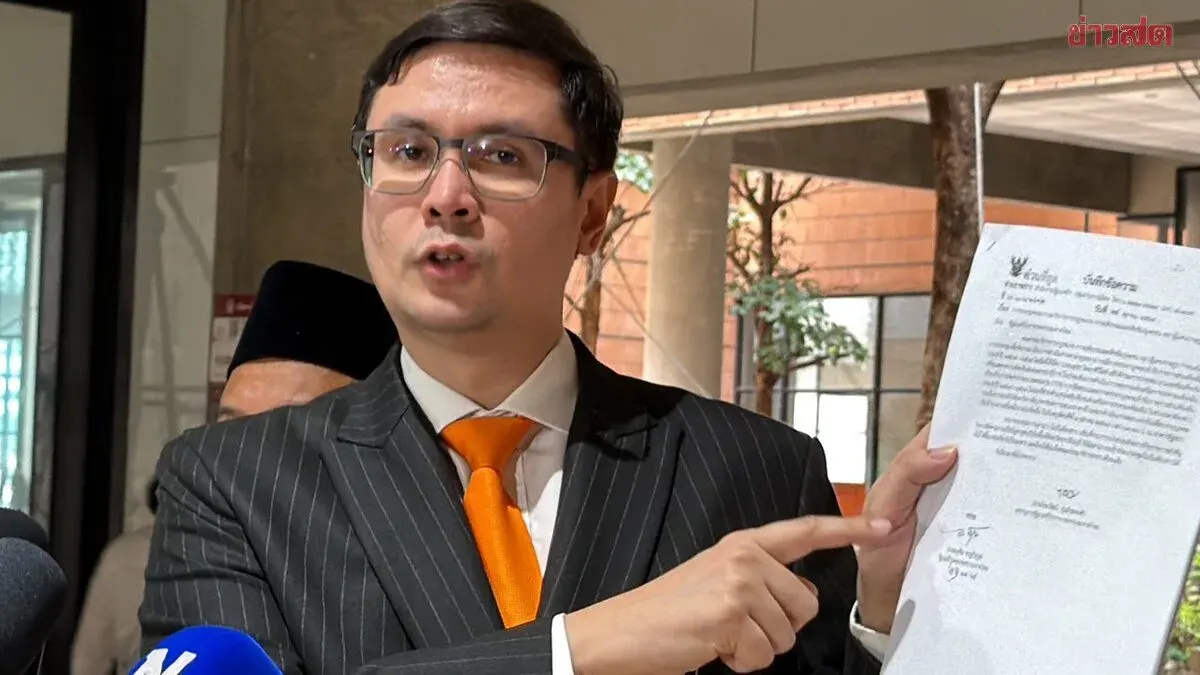
MP Rangsiman Rome pressed Anutin on whether his mere 'acknowledge' signature counts as a directive, asking if the Interior Ministry's permanent secretary has already explained the matter to the committee. He asserted that if the official is truly innocent and wants to clarify, the ministry should coordinate with Government House, insisting the committee never invoked its summons power initially but had invited the official multiple times without success.
On November 11, 2026, at Parliament, Rangsiman Rome, list MP for the People's Party and chair of the House Committee on Legal Affairs, Justice and Human Rights, addressed the case where the committee summoned Anutin in his capacity as Deputy Prime Minister and Interior Minister to explain why he did not order the Department of Provincial Administration director-general to appear before the panel.
Rome said he today received a formal letter from Supachai Jaisamut, a list MP for the Bhumjaithai Party, containing the Interior Ministry's full response dated September 30. The letter bears the signature of Chaiwat Duangsodsi, head of the Minister's Office acting as permanent secretary, instructing the department to consider the matter further.
Rome questioned whether this signatory is the prime minister or not, noting subsequent correspondence from the permanent secretary to the ministry and the committee, culminating in Anutin's 'acknowledge' signature on the cover page. The document states the director-general was occupied with flood disaster duties in Prachin Buri province and could not attend the meeting, adding that the committee had already been properly informed.
"I ask where in Anutin's 'acknowledge' signature lies the order," Rome said. "Does the word 'acknowledge' constitute a command? Or is the head of the minister's office authorized to interpret it as Anutin's will? Therefore I still see no written order directing the permanent secretary to appear before the committee. Without such an order, he would not face disciplinary action for non-compliance. As committee chair under Article 13, I must write to the House Speaker to bring Anutin before the full House. I understand our parliament is under immense pressure; I will instruct the committee secretariat to proceed with this letter, otherwise it becomes an abuse of power by the officeholder."
Rome added that a motion to review the use of the summons power would also be proposed. However, under the Act on Parliamentary Powers, such a review cannot be applied retroactively to September 24 because a resolution has already passed and the review window has expired. This raises the question of whether a review is even permissible, and those proposing it may simply be performing their duty, since the summons derives from a separate law, not internal regulations.
Asked whether Anutin had come to Parliament today to speak with the prime minister directly, Rome replied that legal channels are preferable. If the prime minister merely checks in for photos and chats with MPs, that is not a legal duty. He emphasized the committee only wants to perform its legal duty, not to wield summons power for its own sake. The panel seeks information and has repeatedly tried to have Anutin clarify related matters — such as who filed the corruption complaint against the prime minister regarding the Burapha University case, what the complaint entailed, and why the prime minister convened a contentious meeting within less than two weeks.