Rangsiman Rome Challenges Supachai Over Parliamentary Circular Dispute
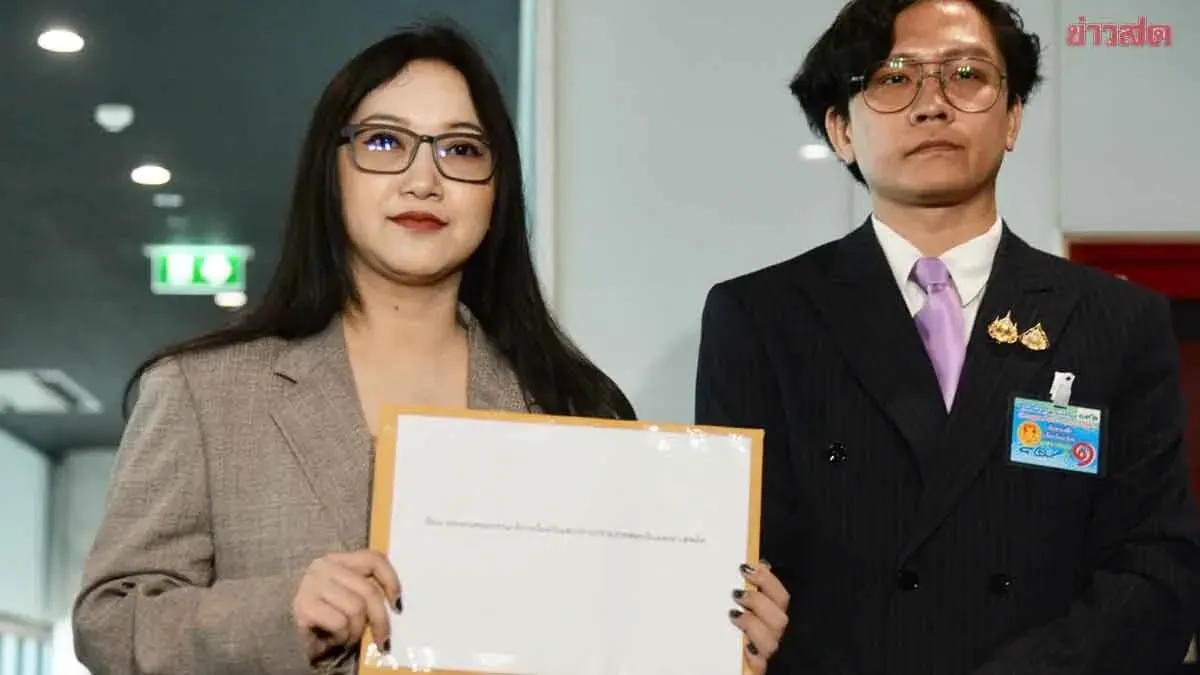
People's Party MP Rangsiman Rome, chair of the House legal affairs committee, accused Bhumjaithai MP Supachai Jaisamut of obstruction after Supachai objected to a committee vote summoning House Speaker Wan Muhamad Noor Matha to explain a controversial circular letter. Rangsiman said all seven committee members present unanimously rejected the circular as unconstitutional, and insisted the summons was legal and necessary to establish facts. He urged the Speaker to cooperate directly rather than hide behind officials.
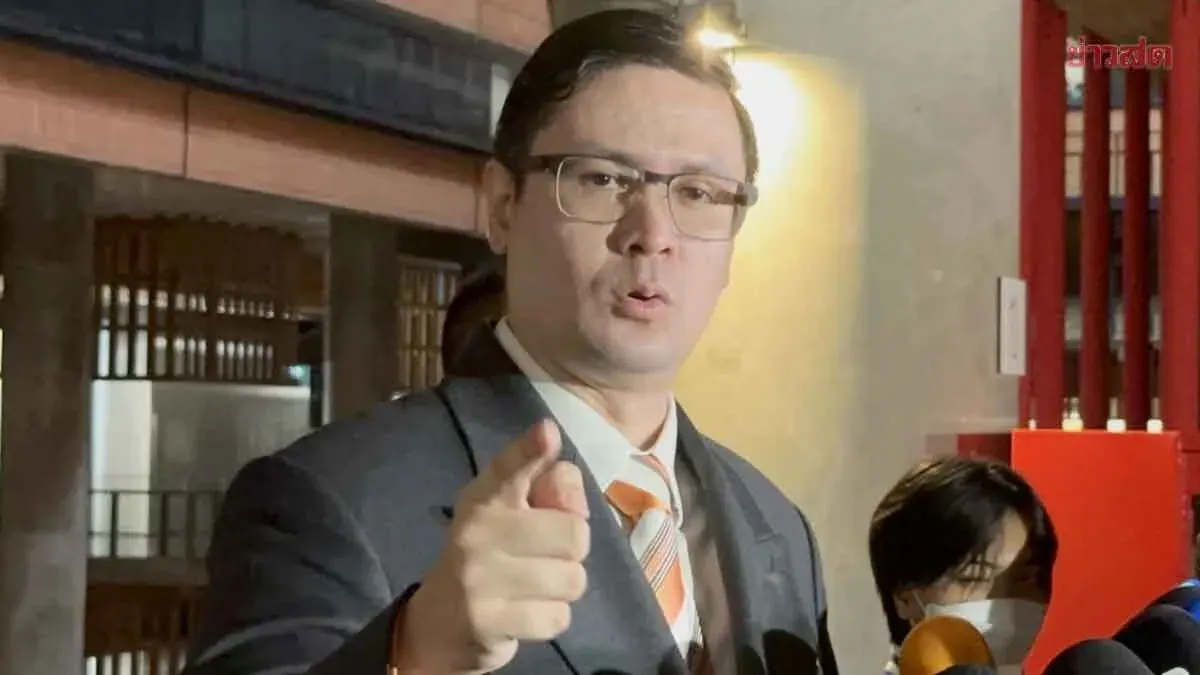
At 09:30 on November 5, 2026, at Parliament, People's Party list-MP Rangsiman Rome, in his capacity as chair of the House Committee on Law, Justice and Human Rights, gave an interview before a committee meeting regarding Bhumjaithai list-MP Supachai Jaisamut, the committee's vice-chair for legal affairs, who planned to file an objection against the vote to summon House Speaker Wan Muhamad Noor Matha to clarify the circular letter issue, calling it an act of "displeasure" or "dissatisfaction."
Rangsiman said he saw no problem with the objection itself, because the other side had previously said inviting anyone required a committee resolution. But when the committee did resolve to invite the Speaker, they called it "overreach" and "arbitrary," which he said has no basis in the rules and proves a "blue regime" that refuses scrutiny — whenever scrutiny occurs, someone objects with various excuses.
He insisted everything follows the Constitution and regulations. The opposition's and committee's powers, including the power to summon, are already limited, and procedures are complex. Within these constraints, claiming the committee acted illegally is untrue. He affirmed the committee acted legally in all respects — both the vote and practice — because eight MPs serve on the legal affairs committee, and all seven present unanimously rejected the circular's approach.
Summoning the Speaker aims to establish facts and end speculation, as the circular was reportedly issued by the House Secretary-General, lacks legal force, but appears to conflict with the Constitution. Therefore, the committee cannot allow it to stand.
Rangsiman said he expects the Speaker to cooperate with the committee like other members and outsiders, answering questions clearly. If the Speaker refuses, future committee summonses will be undermined because invitees will say "even the Speaker didn't come." He urged the Speaker to cooperate to clarify the circular's origin, and not hide behind civil servants to confront the opposition — behavior he called inappropriate.
Regarding Bhumjaithai MP Natthachon Srikoko (Songkhla) claiming he voted by misunderstanding, Rangsiman said he couldn't speak for Natthachon, but at the meeting all eight members raised hands, and the secretary confirmed each vote — for, against, or abstain — to avoid misunderstanding. The committee conducted everything properly, and even if Natthachon left the room or withdrew without voting, the legal affairs committee had seven members from its 14-member quorum, so no invalid vote occurred.
When asked about Supachai saying Rangsiman rejected the circular as overreach, disrespecting law and Constitution, Rangsiman replied it wasn't just him — the whole committee spoke that way, and they couldn't all be misspeaking in a meeting of at least seven people. So who exactly is overreaching? Supachai cites a meeting of 35 committees that had no resolution that day. Many spoke against changing or limiting the committee chair's powers. Who cites a meeting with no vote? Even the Speaker called it a consultation, so such citation is invalid.