Thai Lawmaker Protests Committee Chairman Over Unauthorized Agenda
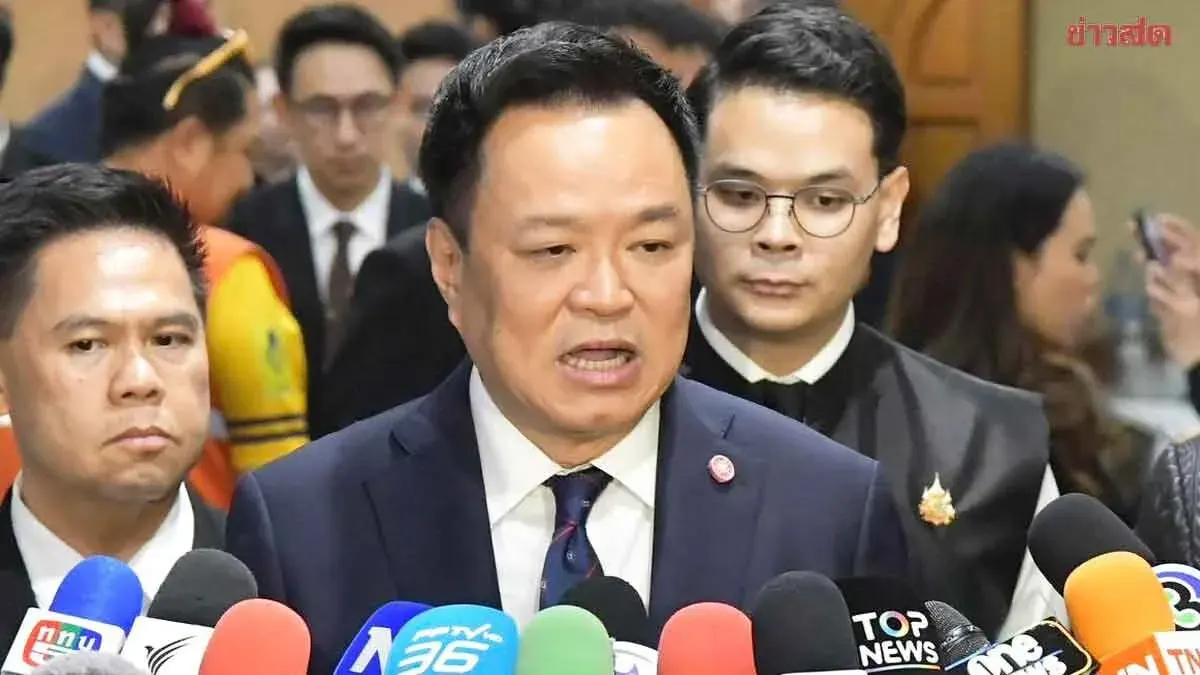
Thai lawmaker Supachai Chaisumutr objected to the committee chairman’s unilateral agenda-setting, claiming the panel lacks authority to debate MP Suchada Zang Thanthap’s case and warning that any complaint would affect all members. He accused Rangsiman Rome of violating committee rules by scheduling meetings at his discretion and duplicating work of other panels. Supachai said he had filed a formal protest and would raise the issue at the day’s parliamentary session.
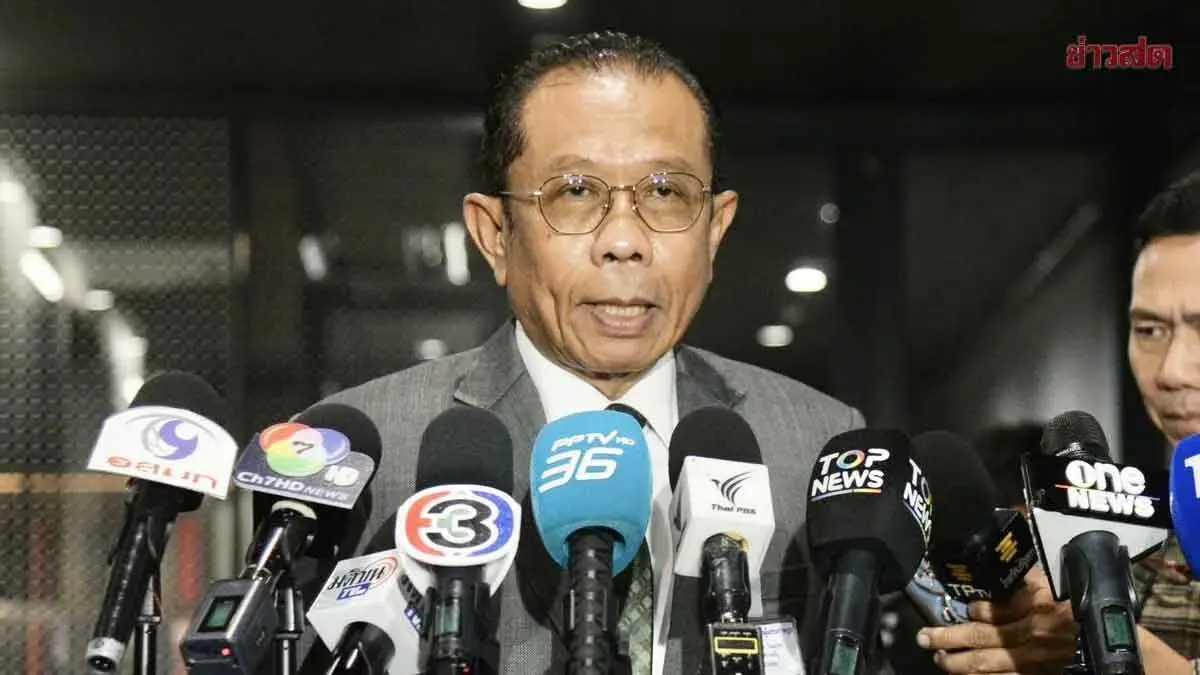
Supachai Chaisumutr submitted a document challenging the work of the committee’s chairman after planning to invite ‘Ideer and husband’ to clarify, accusing Rangsiman Rome of adding agenda items without committee consensus, speaking off the cuff, and emphasizing that the committee has no authority to discuss the matter of MP Suchada; he warned that if a complaint is filed, everyone will be affected. At 09:40 on 7 October 2069 at Parliament, reporters said after Rangsiman Rome, list-MP and leader of the People’s Party, serving as chairman of the Committee on Law, Justice and Human Rights of the House of Representatives, finished interviewing about the case of MP Suchada Zang Thanthap and her husband, Supachai Chaisumutr, list-MP and head of the Bhumjaithai Party’s legal wing and also a committee member, stepped forward to give a press statement, immediately asking reporters what Rangsiman had been talking about. Reporters replied it was about inviting MP Suchada and also Digital Economy and Society Minister Chaiyachonk Chidchob to clarify before the committee. Supachai then stated he had sent a letter to Rangsiman regarding his performance as committee chair, which likely violates regulations, and he disagreed and objected to the chair’s conduct, such as placing agenda items without committee approval, adding items on his own or through others, and even scheduling meetings at his whim, disregarding the agreed Thursday schedule and ignoring other members’ commitments to other committees. He said the chairman treated the committee as his personal domain despite being only one of fifteen members, and that his press briefings often blurred the line between personal opinion and committee decisions, presenting his views as if they were committee consensus. Supachai noted that many issues under discussion duplicated work of other committees, despite the House having 35 committees with clearly divided responsibilities, and that the chairman routinely dragged topics from agencies like the National Anti-Corruption Commission or budget oversight into this committee, demanding extra work and causing officials to appear before multiple panels. He had already written to the House speaker asking for a review of such overlapping work, which sometimes forces officials to attend three committees on the same matter, causing delays and confusion. He concluded that the committee has no power to consider Suchada’s case, and if it proceeds and is found to violate regulations, every member would be liable; even if only Rangsiman were complained against, the fallout would spread to all. He said he could handle the matter alone and that it would be raised at today’s meeting because of the growing frustration among members.