MP Warns Committee Chairs Against Overstepping Authority in Parliament
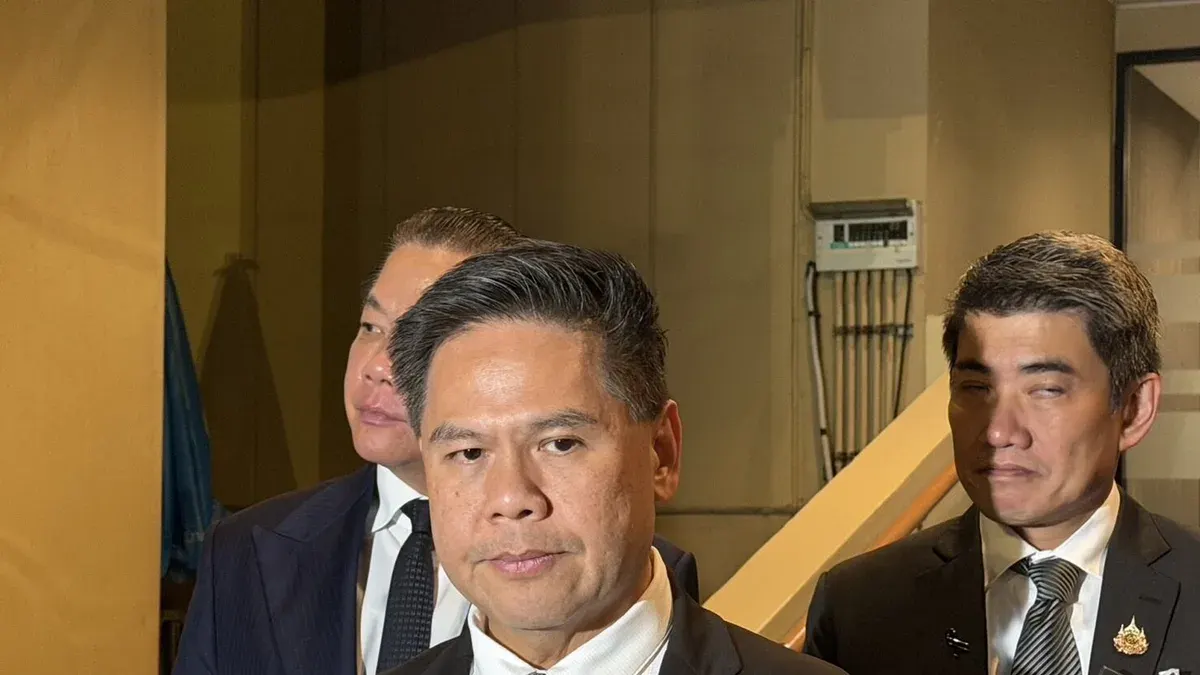
Bhumjaithai MP Suphachai Chaisamut warned during a parliamentary debate that committee chairs must not exceed their constitutional authority, urging clear rules to prevent power abuse. He stressed that the Public Accounts Committee is not the chair's personal property and that summoning officials requires a formal meeting resolution. Fellow MP Romtham Khamnueng countered that the committee will vote to summon individuals according to law.
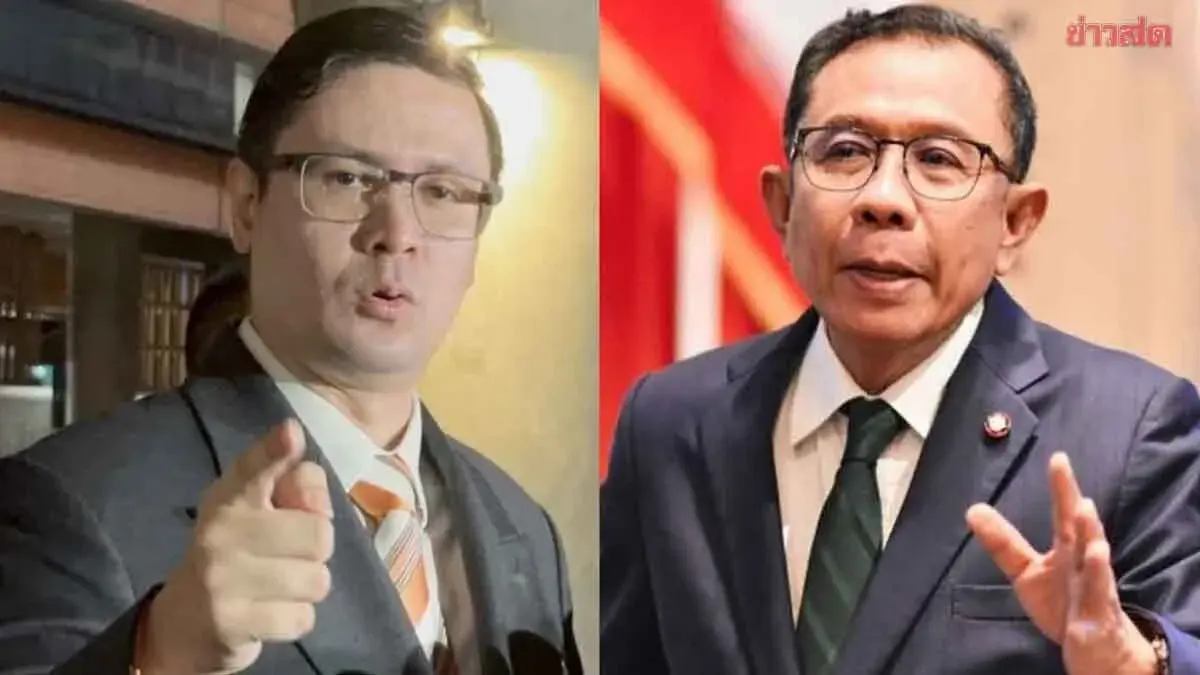
Suphachai Chaisamut warns that power tends to corrupt and urges clear regulations for the Public Accounts Committee to prevent chairs from exceeding their authority, insisting the committee is not the chair's personal property. Meanwhile, Romtham Khamnueng retorts that the committee will vote to summon individuals in accordance with the law.
On November 11 at Parliament, Suphachai Chaisamut, a party-list MP for the Bhumjaithai Party, stated that if MPs strictly respected the Constitution and regulations, amendments would be unnecessary. He noted that existing rules remain usable because they are clear, but in practice, regulations that should be respected are being ignored and interpreted to serve personal interests. Citing Section 5 of the Constitution, Suphachai emphasized that any legal provision, rule, regulation, or action contradicting the Constitution is void—a supreme principle binding Parliament, the Cabinet, courts, and all independent state organs to exercise power only under the Constitution.
Suphachai added that no organization may exercise power beyond what the law permits, especially when affecting people's rights and liberties, which must have clear boundaries. Exceeding legal authority is impermissible. Turning to Section 129, he noted the Constitution grants committees the power to conduct inquiries, ascertain facts, or study matters within Parliament's duties and powers. It also stipulates that authority cannot be delegated to an individual or group to act on behalf of the committee. He questioned how a committee chair can exercise the committee's power without a meeting resolution on matters requiring one. The chair's duty is to conduct meetings and follow regulations; the chair is not the owner of that power. Amending regulations to issue summonses for persons or documents must pass a meeting resolution, which defines the scope of authority clearly.
"Some claim amending regulations this time will weaken the opposition and curtail the power to scrutinize the government, but the right to scrutinize and the right to exercise power unlawfully are separate matters," Suphachai said. "The opposition has full right to scrutinize the government, which it does daily through questions, motions, general debates, and the upcoming no-confidence debate. However, scrutiny through committees must also comply with Section 129 of the Constitution."
Suphachai further said summoning ministers to explain in person should consider whether the matter falls directly under the minister's authority or if responsible officials can provide facts more completely. Summoning ministers is permissible when justified and within legal authority, but requiring ministers to appear in every case without considering necessity and scope of authority invites disputes over power limits.
He added that even in the current case of summoning the Parliament President, committees must carefully consider whether the matter falls within their authority and how necessary it is. Committee scrutiny power is not unlimited, and summoning any officeholder requires clear legal basis and reason. Those who exercise scrutiny over others must themselves respect the boundaries of their own power.