NACC Charges Ex-Rayong Deputy Governor, Three Others in Map Ta Phut Graft Case
Thailand's National Anti-Corruption Commission has charged a former Rayong deputy governor and five others over alleged graft in 15 Map Ta Phut Industrial Estate construction projects from 2016-2017. Investigators found officials colluded with a construction company to rig bids, falsify documents, and approve contracts despite the firm's repeated late deliveries and lack of qualifications.
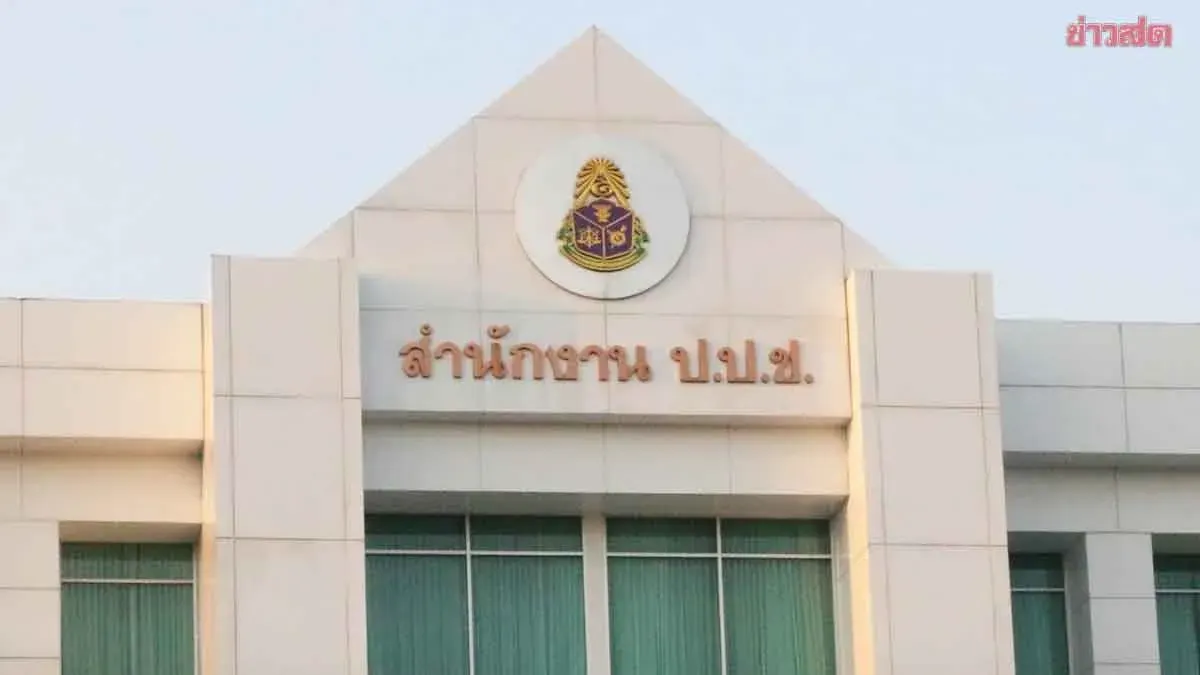
On November 9, 2026, the Office of the National Anti-Corruption Commission (NACC) Region 2, through spokesperson Pol. Lt. Col. Arun Ammarwiriyakul, stated that the NACC board has resolved to indict Mr. K, who served as Rayong's deputy governor and vice-chairman of the community development committee for the Map Ta Phut Electricity Development Fund, along with five other individuals. The case concerns 15 construction projects carried out between 2016 and 2017, split into two groups: nine projects with contracts not exceeding 1 million baht and six projects exceeding that amount. The investigation found that Mr. K, as accused number one, held authority to approve hiring and disbursements. Accused number four, Mr. Ng, a supplies officer at the fund office, prepared all bidding documents and submitted them to accused number three, Mr. Kh, the assistant managing director (operations), and accused number two, Mr. K, the managing director, for verification. A now-defunct construction company, represented by accused number five, Ms. J, and accused number six, Ms. Ch (Ms. J's mother), handled bidding, guarantees, contracts, delivery, and payment. The company was registered by Mr. Th (deceased), Ms. Ch's husband, who also served as the second vice-chairman of the community development committee. Accused number five presented documents for signatures by local residents serving on the procurement committee, while accused number four obtained signatures at the fund office. Committee members later testified they were never formally appointed, received no training, and did not understand their duties. Accused numbers one through four failed to verify the contractor's qualifications; the firm lacked the required track record yet was never disqualified. Despite the company incurring late-delivery penalties on 14 of the 15 projects, officials continued to approve all contracts. Financial links between the officials and the company were also uncovered.