Nakhon Ratchasima Warns Four Subdistricts of Rabid Dog Exposure
A rabid dog that exposed residents in four Nakhon Ratchasima subdistricts between July 20–30 has prompted provincial health officials to urge anyone bitten or scratched to seek post-exposure vaccination immediately, as rabies is fatal witho
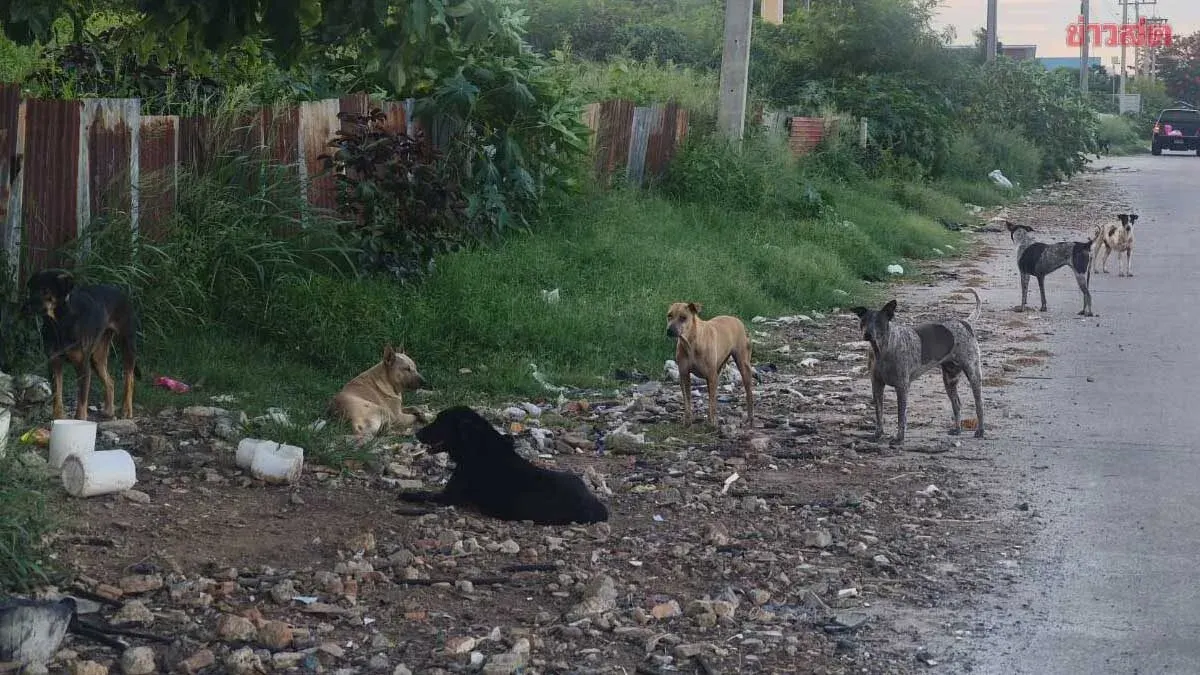
On August 3, 2025, the Nakhon Ratchasima Provincial Health Office issued a public alert and sought cooperation from residents in the province who may have been bitten, scratched, or exposed to a rabid dog between July 20–30. The alert specifically targets those who encountered a brown dog near a water drainage gate in Ban Pru Yai Subdistrict, Muang District, and surrounding community roads connecting Pon Krang, Pud Sa, and Si Mum subdistricts.
Authorities submitted a sample of the dead brown dog for laboratory testing at the Lower Northeastern Veterinary Research and Development Center in Surin Province, which confirmed rabies infection. Witnesses reported that multiple people may have been bitten, scratched, or exposed to the animal's saliva, creating high risk for viral transmission. Rabies has no cure and is fatal if symptoms develop.
Dr. Wichanya Kitthaen, chief physician of the Nakhon Ratchasima health office, reported that a 53-year-old man from Phi Tong Subdistrict was bitten on both legs by a young male dog in July but did not receive post-exposure vaccination. He died on February 15, 2025.
As of August 3, 2025, surveillance data shows 30 rabid animals detected across the province this year, with 20 cases in Muang District alone. In July, two additional rabid dogs were found, including one stray, brown female dog, five years old in Ban Pru Yai with aggressive behavior, dilated pupils, drooling, and a drooping tail that chased and bit people and other animals. A total of 17 people have had contact with infected animals, including six with deep bite wounds. Authorities have implemented disease control measures and vaccination programs in a five-kilometer radius around confirmed cases.