PM Anutin Opens National Security Course, Highlights Transboundary Pollution Threat
Prime Minister Anutin Charnvirakul opened the 19th National Security Management Course, urging future leaders to adopt a multi-dimensional security vision. He cited transboundary river pollution in Chiang Rai as a critical challenge exceeding Thailand's solo control, requiring scientific cooperation and international diplomacy. Anutin outlined four security pillars — political, military, economic, and technological — and warned that geopolitical competition now defines the strategic landscape.
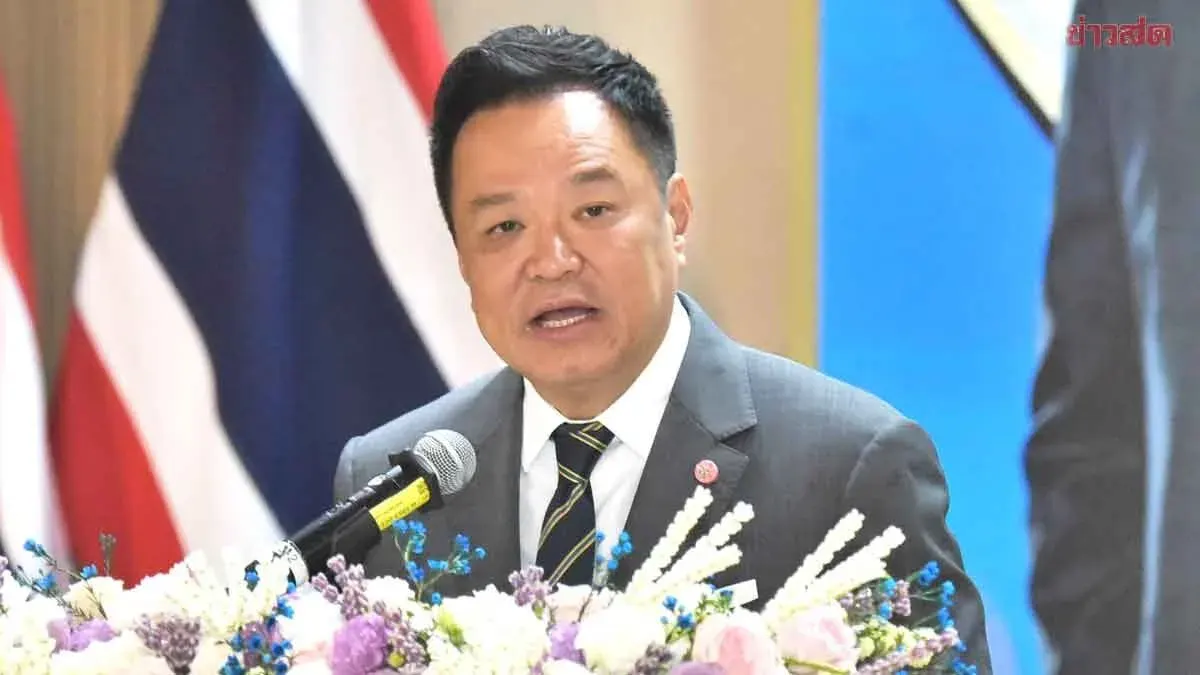
At 10:30 a.m. on November 23, 2026, Prime Minister and Interior Minister Anutin Charnvirakul chaired the opening ceremony for the 19th National Security Management Course (NSMC) at the Government Public Relations Department meeting hall. Attendees included Ministers attached to the Prime Minister's Office Supamas Isarapakdee and Phinij Srisarphiphat, National Security Council Secretary-General General Chaiyapruk Didyasarin, and Government Public Relations Department Director-General Kitiphan Ruensamrit.
In a special lecture titled "Government's Perspective on National Security," Anutin stated the course is crucial for future leaders to develop the knowledge, understanding, and vision needed to address new-era security challenges. He apologized for a hoarse voice, explaining he likely caught an infection during his recent China trip with extensive meetings and insufficient rest.
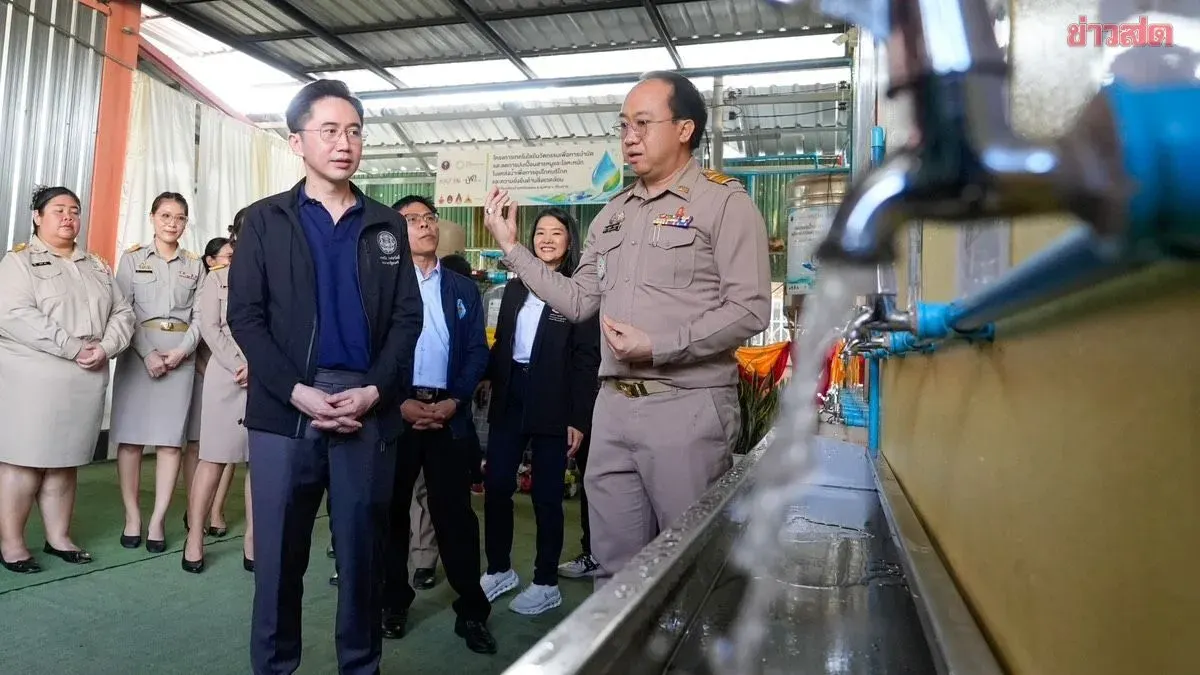
The Prime Minister highlighted the complex, multi-dimensional nature of modern security, citing the transboundary pollution crisis in Chiang Rai's rivers as a prime example. He stressed that environmental, economic, social, and health issues affecting large populations and livelihoods constitute national security matters. The northern river pollution reflects challenges spanning science, technology, medical research, international relations, and even communication issues causing economic damage.
Anutin urged participants to prioritize four pillars of domestic security: political, military, economic, and technological. Political security, he clarified, extends beyond domestic peace and government stability to include public trust, decision-making to protect national interests amid global shifts, and navigating great-power competition and challenges to the rules-based order — the era of "geopolitics," a term unheard of in his student days.