Deputy PM Deploys Smart Arsenic Traps for Chiang Rai Farms
Deputy Prime Minister Yasschanan Wongsawat inspected water sources in Chiang Rai's Mae Sai district and launched a smart sediment trap system to remove arsenic from irrigation canals serving 60,000 rai of farmland. The pilot project uses real-time sensors and continuous suction to prevent hazardous buildup, with full water quality results required before the November 25 irrigation release. Local leaders urged faster action and transparent communication to protect drinking water and long-term soil safety.
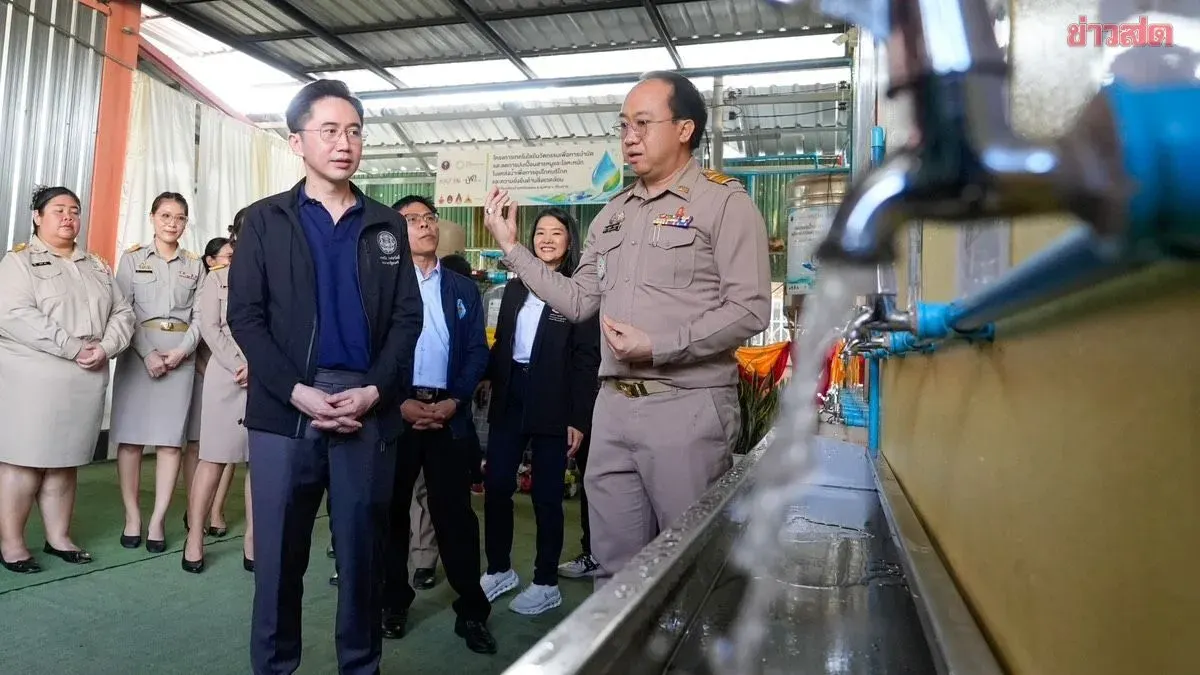
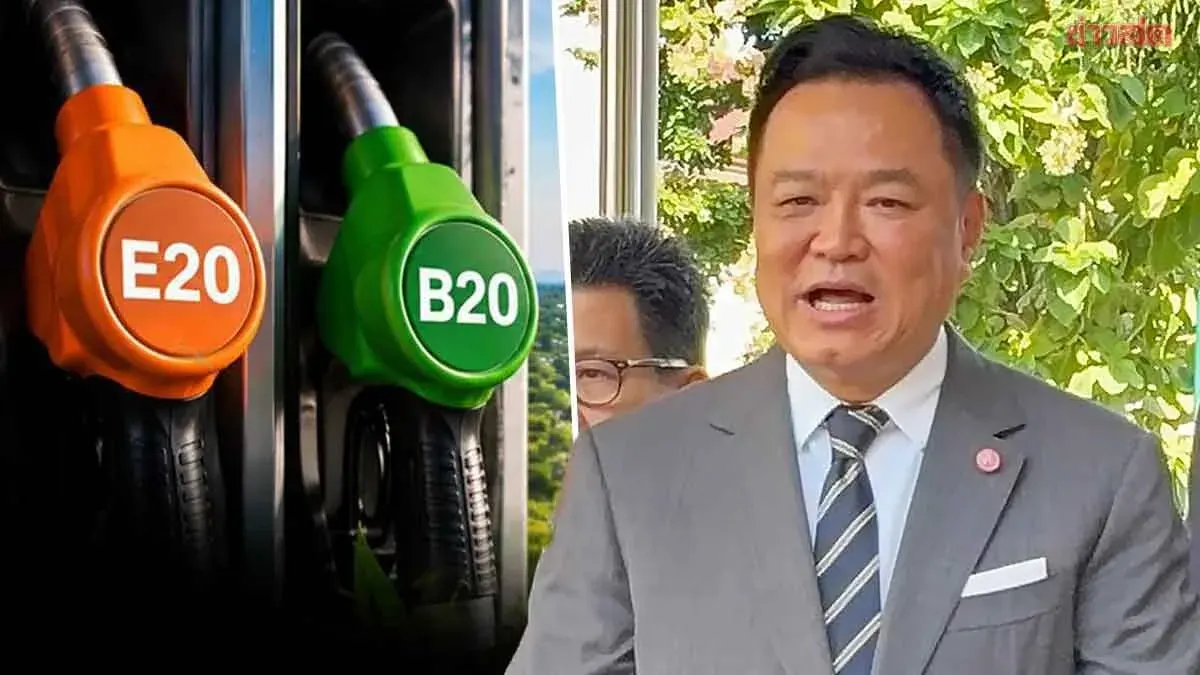
On November 23, 2026, Deputy Prime Minister and Minister of Higher Education, Science, Research and Innovation Yasschanan Wongsawat led a team of researchers from the National Nanotechnology Center (NANOTEC) to Mae Sai district, Chiang Rai for a second consecutive day to inspect water quality at two critical water sources: Ban Muang Daeng and the Nong Nam Phu reservoir. The visit included discussions with community leaders and farmer representatives to accelerate the deployment of a smart sediment trap system designed to extract arsenic from the Ban Muang Daeng irrigation canal — the main artery supplying water to over 60,000 rai of agricultural land.
The first stop at Ban Muang Daeng began at NANOTEC's field tent, where researchers set up equipment to analyze raw water samples from the source and display results live on screens. Professor Dr. Yasschanan then spread out maps of the waterways and irrigation canals alongside academics and irrigation officials to explain the pollutant-trapping structure to the community and media. He emphasized that this is a "sediment trap," not a "weir," because it does not obstruct the main river as villagers feared. Instead, it builds upon an existing sediment trap within the Royal Irrigation Department's canal, located away from residential areas. The pilot starts with a single small-scale unit in a sandbox format so villagers can see the actual mechanism before scaling up.
During the site inspection, Yasschanan addressed the primary local concern about accumulation of hazardous sediment. Conventional irrigation traps are often left for long periods before dredging, so the team chose an "intelligent sediment trap" equipped with sensors to monitor sediment volume continuously, paired with a continuous suction system to prevent buildup. In the pilot phase, extracted sediment is bagged for removal off-site with every step demonstrated to the community. Full-scale installation will use a sludge belt press to dewater and compress sediment before disposal.
Yasschanan directed researchers to expedite testing and comparative water quality measurements from source to endpoint to show clear results before the November 25 irrigation release. He also demanded a clear designation of the sediment disposal site and the responsible agency. Amid discussions with officials, he stressed this field visit was meant to assess real progress and clarify inter-agency roles — not to create content.
Village elders and the water user group chairman voiced concerns. The village headman said residents' top priority is drinking and domestic water safety, followed by agricultural water, urging the government to act quickly and communicate progress regularly to ease public anxiety. The water user group chairman asked about water readiness for the upcoming planting season. Yasschanan clarified that farmers can still cultivate as contamination levels have not yet exceeded standards, but warned that without urgent installation of a filtration and sediment trap system at the canal head covering over 60,000 rai, farmland soil could accumulate arsenic within 1–2 years to the point where it can no longer support food production.