Suwat Announces 150km Kok River Pollution Zone Effective Dec 2
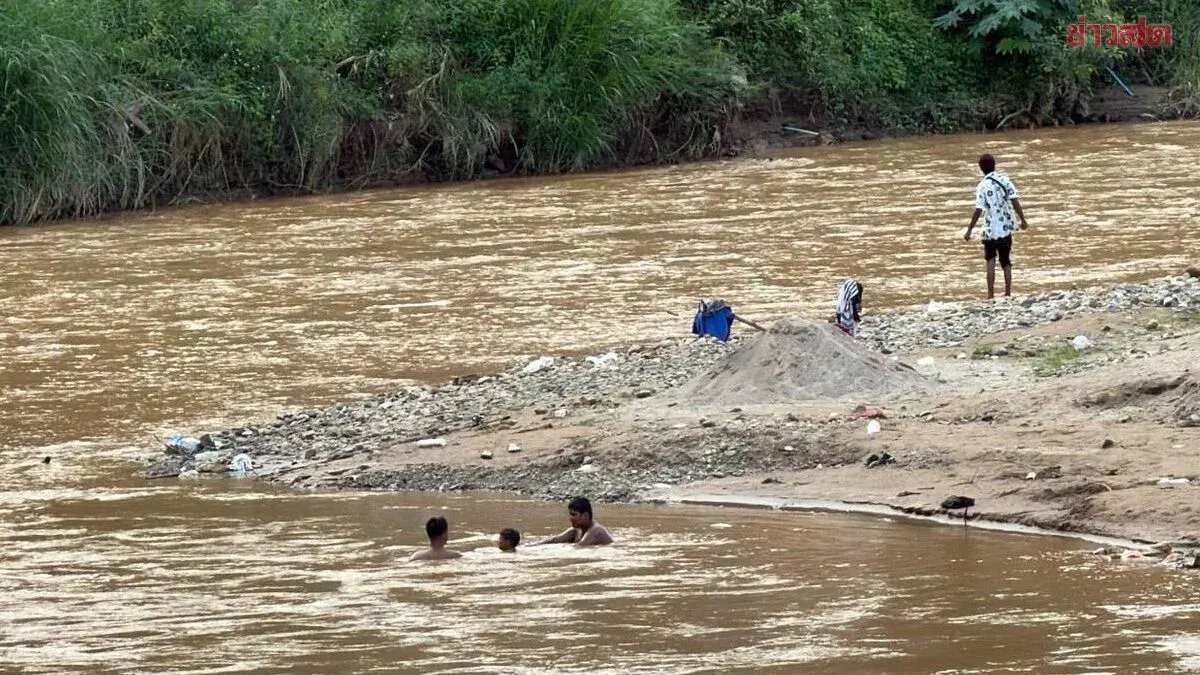
Thailand's Natural Resources Minister Suwat Chomklan announced a 150-kilometer pollution control zone for the Kok River to take effect December 2, alongside immediate measures including 10 new groundwater wells and water systems for 14 communities. A Thailand-Myanmar joint working group will meet November 25-26 to address cross-border contamination, while domestic labs and real-time monitoring stations are being established to speed up water quality analysis.
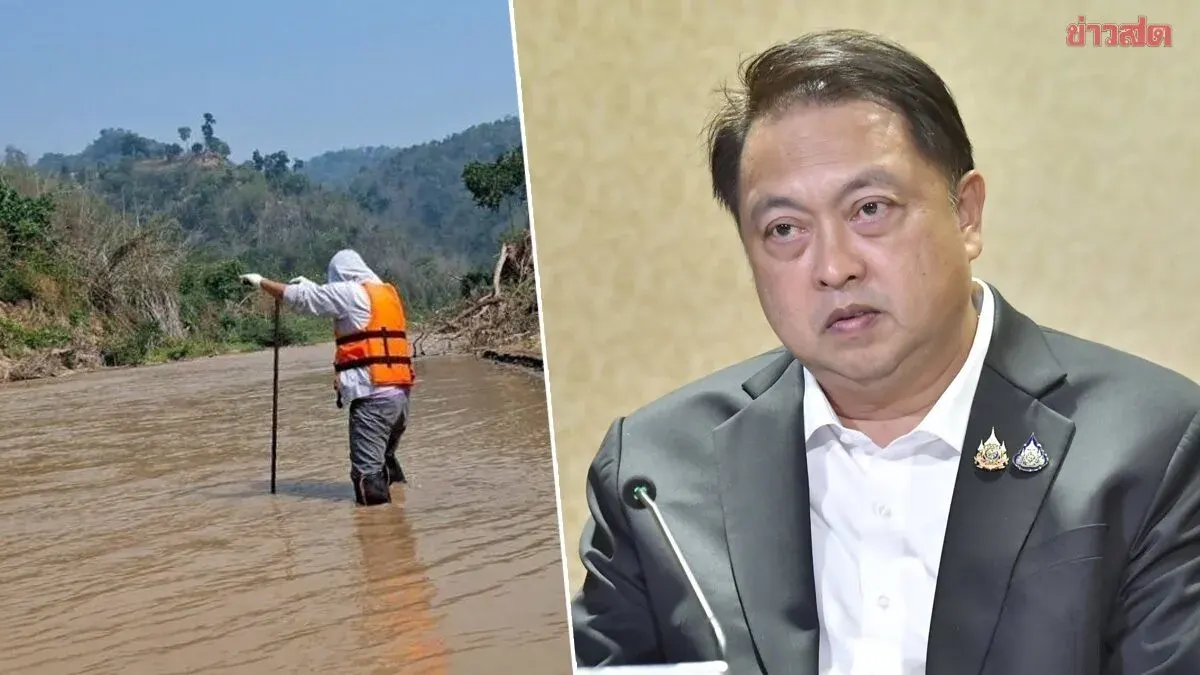
At a Government House briefing on November 21, Natural Resources and Environment Minister Suwat Chomklan said the Prime Minister ordered officials to ensure clean water for the public by any means necessary. The ministry deployed groundwater teams to Chiang Rai, identifying 10 well sites and preparing to construct water supply systems for 14 villages covering more than 20,000 people to ease public concerns.
On the international front, the first Thailand-Myanmar Joint Working Group on Water Quality Management will convene November 25-26 to address cross-border pollution, with participation from Myanmar's State Administration Council. On November 24, Myanmar representatives will meet Deputy Prime Ministers Yaschanan Wongsuwat (Higher Education, Science, Research and Innovation) and Sihasak Phuangketkeao (Foreign Affairs) for preliminary talks. Thailand's initial proposal calls for installing four water monitoring stations on the Myanmar side and four on the Thai side to ensure consistent readings.
Domestically, Minister Suwat said a 150-kilometer pollution control zone on the Thai side of the Kok River will be proposed to the National Environment Board for approval, following a recommendation from the Pollution Control Committee. On November 27, the ministry's permanent secretary and department directors will meet to finalize the submission for the board's December 2 session, chaired by Deputy Prime Minister Thongchai Thongsri. If approved, the declaration will be published in the Royal Gazette and forwarded to the governors of Chiang Mai and Chiang Rai to draft integrated management plans.
The Pollution Control Department, health agencies, waterworks authorities, and related units will coordinate implementation, including a centralized data platform to provide accurate public information via provincial governors and the Public Relations Department.
The Prime Minister also ordered the Pollution Control Department to accelerate water quality testing by establishing analysis centers in Chiang Mai and Chiang Rai, eliminating the 20-to-30-day delay of sending samples to Bangkok. Approximately 20 real-time monitoring stations will cover the Kok River, its tributaries, and the Sai and Ruak rivers.
Meanwhile, the Department of Water Resources will expedite surveys of alternative raw water sources for tap water production, coordinating with the Agriculture Ministry to assess potential impacts on aquatic life, fish, soil, crops, and rice paddies.
Minister Suwat emphasized that this integrated response involves all relevant ministries and agencies under the Prime Minister's direct supervision, with a unified command system to ensure the public receives clear, accurate information and reliable access to clean water.