Nestlé Invests 23 Billion Baht in New Thai Coffee Factory
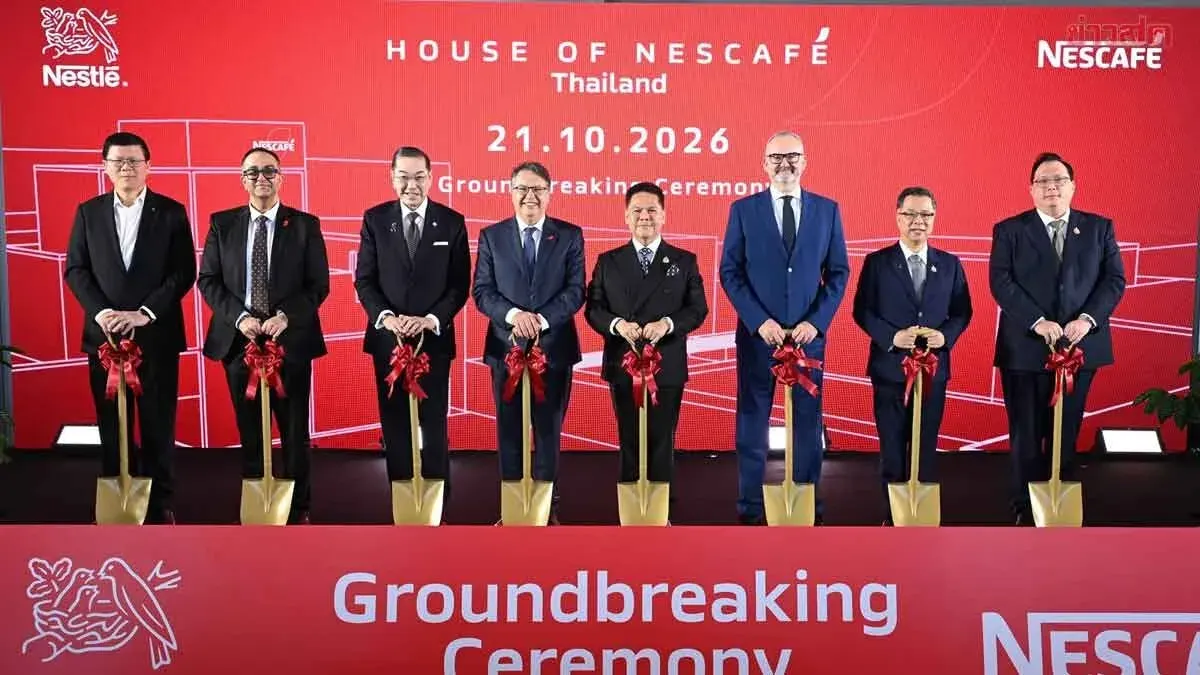
Nestlé has broken ground on a 23 billion baht 'House of NESCAFÉ Thailand' coffee factory in Samut Prakan, set to begin operations in late 2028. The high-tech facility will create over 500 jobs, source 4.3 billion baht of raw materials annually from Thai farmers, and feature AI-driven automation, an automated distribution center, and a Coffee Innovation Center. The project underscores Nestlé's long-term commitment to Thailand's coffee industry and its goal of sustainable, zero-waste manufacturing.
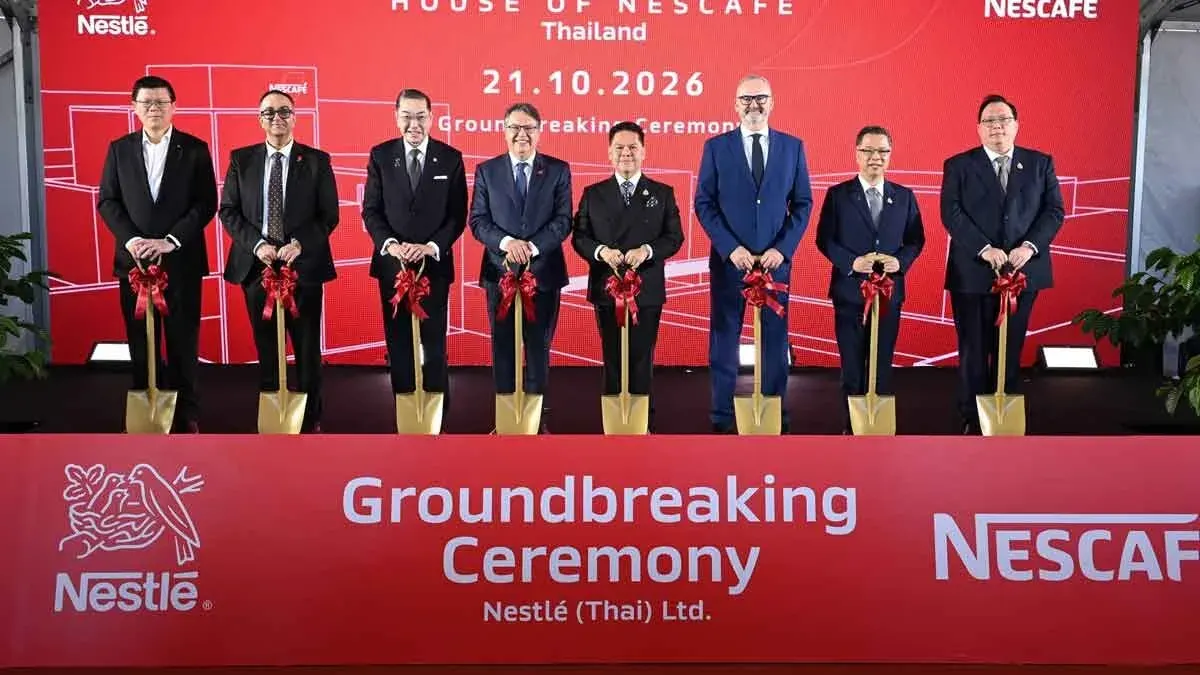
Nestlé has begun construction of its 'House of NESCAFÉ Thailand' coffee factory in Samut Prakan's Amata Nakorn Industrial Estate, with production slated to start in the second half of 2028. Remy Ejel, Executive Vice President and CEO of Nestlé Zone Asia, Oceania and Africa, announced the company's major 23 billion baht investment in Thailand's coffee industry. The groundbreaking ceremony marked the start of a facility designed to elevate production capacity using AI technology, robotics, and advanced automation systems.
The new factory will be one of Nestlé's most modern coffee production bases globally, capable of producing various NESCAFÉ products including instant coffee powder, coffee mixes, and ready-to-drink canned coffee to meet consumer demand and strengthen the company's production capabilities in Southeast Asia. The project also includes a distribution center with an automated warehouse system capable of storing over 100,000 pallets and a Coffee Innovation Center to develop raw materials, new product formulas, and innovations for the Thai coffee industry.
Economically, the factory is expected to create more than 500 positions covering technology specialists and skilled to highly skilled labor. It will generate demand for domestic raw materials such as coffee beans, sugar, and raw milk worth approximately 4.3 billion baht per year, creating opportunities for Thai farmers and suppliers. Nestlé has been a major buyer of Thai robusta coffee for over 40 years and continues to support farmers through training, quality seedling promotion, and expansion of coffee cultivation areas.
On the environmental front, the company aims to use 100% renewable electricity, utilize biomass fuel, recover heat, implement water recycling systems, and manage waste toward a zero-waste-to-landfill target. The investment will boost production capacity to meet growing coffee demand, support long-term business growth in the region, and reflect confidence in Thailand's potential, linking the supply chain from farmers and raw material suppliers through production and distribution.