Nutritionist Warns Three Groups on Watermelon Intake Limits
Nutritionists recommend watermelon for summer hydration and its antioxidant benefits, but caution three groups—those with weak digestion, people eating before bed, and those with cold constitutions—to limit intake.
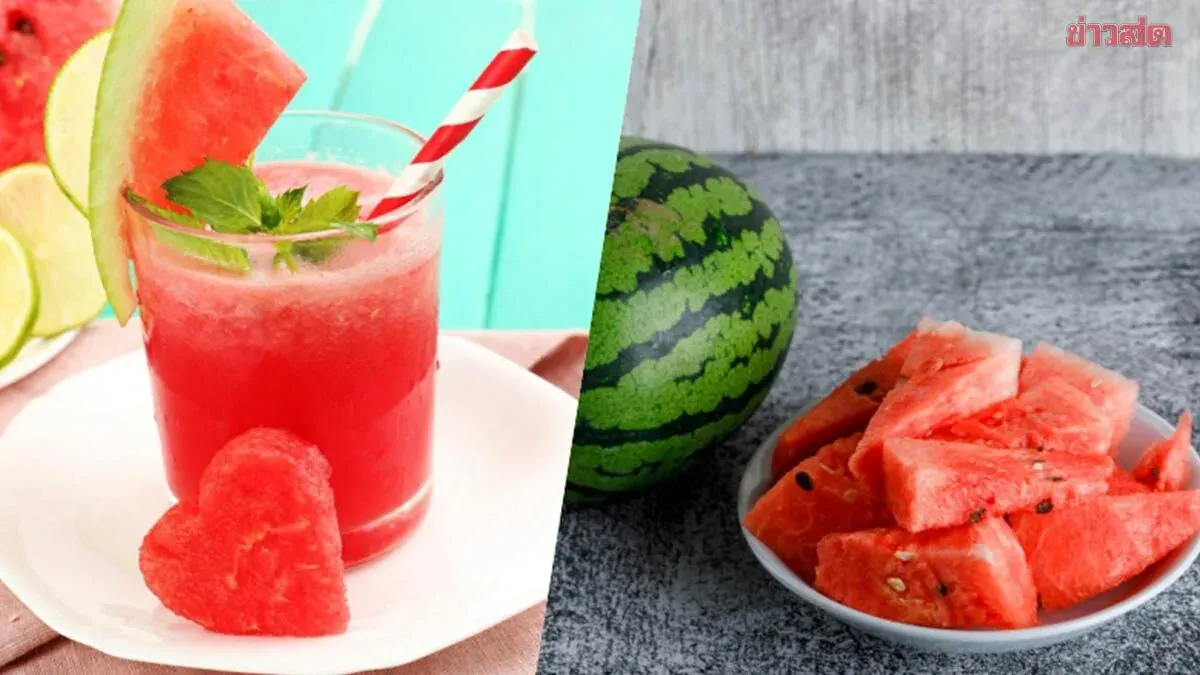
Nutritionists have warned three groups to consume watermelon in moderation, emphasizing its antioxidant benefits while cautioning against eating it before bedtime.
As summer begins, watermelon stands out as the go-to fruit on market shelves, prized for its sweetness, juiciness, and excellent cooling properties. Nutritionists explain that the English name "Watermelon" perfectly captures the fruit's essence, with "water" referring to its composition—over 90% of watermelon flesh is water, making it an excellent rehydrating choice during hot weather.
Beyond hydration, watermelon is packed with beneficial nutrients including lycopene, beta-carotene, citrulline, potassium, and magnesium, which combat free radicals, enhance blood circulation, and are ideal for summer consumption. Nutritionists also highlight that choosing seasonal, locally-sourced produce aligns with ESG principles and offers practical daily benefits: fresher fruit at better prices, reduced transportation emissions, and support for domestic farmers.
Watermelon offers more than just cooling relief. While many believe watermelon contains only water, it actually provides numerous valuable nutrients:
**Hydration and nutrient replenishment** — ideal for those who perspire heavily, experience thirst, or engage in outdoor activities, providing water, vitamins, and minerals superior to sugary beverages.
**Red-fleshed watermelon contains lycopene**, a powerful antioxidant that protects cells from free radical damage and supports heart and cardiovascular health. This is especially beneficial for those who frequently eat outside, stay up late, or experience chronic stress.
**Yellow or orange-fleshed watermelon has higher beta-carotene**, which the body converts to vitamin A, supporting eye health, skin, and mucous membranes. It suits those who spend extended periods looking at computer or phone screens.
**Watermelon contains citrulline**, which converts to arginine in the body and aids nitric oxide production, promoting blood vessel dilation and circulation. Research suggests watermelon juice may aid post-exercise recovery and reduce muscle soreness. However, consumption should be moderate and without added sugar.
In Traditional Chinese Medicine, watermelon is called a natural "diuretic tablet" due to its sweet taste and cool properties, helping to relieve heat, reduce thirst, and promote urination. However, those with weak digestive systems or cold constitutions should limit intake.
Nutritionists recommend watermelon for:
**Those who perspire heavily or feel thirsty during summer** — providing essential rehydration.
**Regular restaurant diners** — lycopene supplements antioxidant intake.
**Exercise enthusiasts** — consume post-workout for water, carbohydrates, and citrulline. Fresh-pressed watermelon juice without added sugar is preferable.
**Weight-conscious individuals** — watermelon provides only about 30 kilocalories per 100 grams, making it a superior choice to cake, cookies, or sweetened beverages.
**Elderly people with hypertension** — moderate consumption is acceptable with medical or nutritional guidance, though it should not replace medical treatment.
**Kidney patients requiring potassium control** — watermelon has relatively low potassium at approximately 120 milligrams per 100 grams.
However, if a doctor restricts daily fluid intake, watermelon's water content should be counted toward that limit.