OKMD Showcases Yala TK Park as Model for Community Learning Spaces
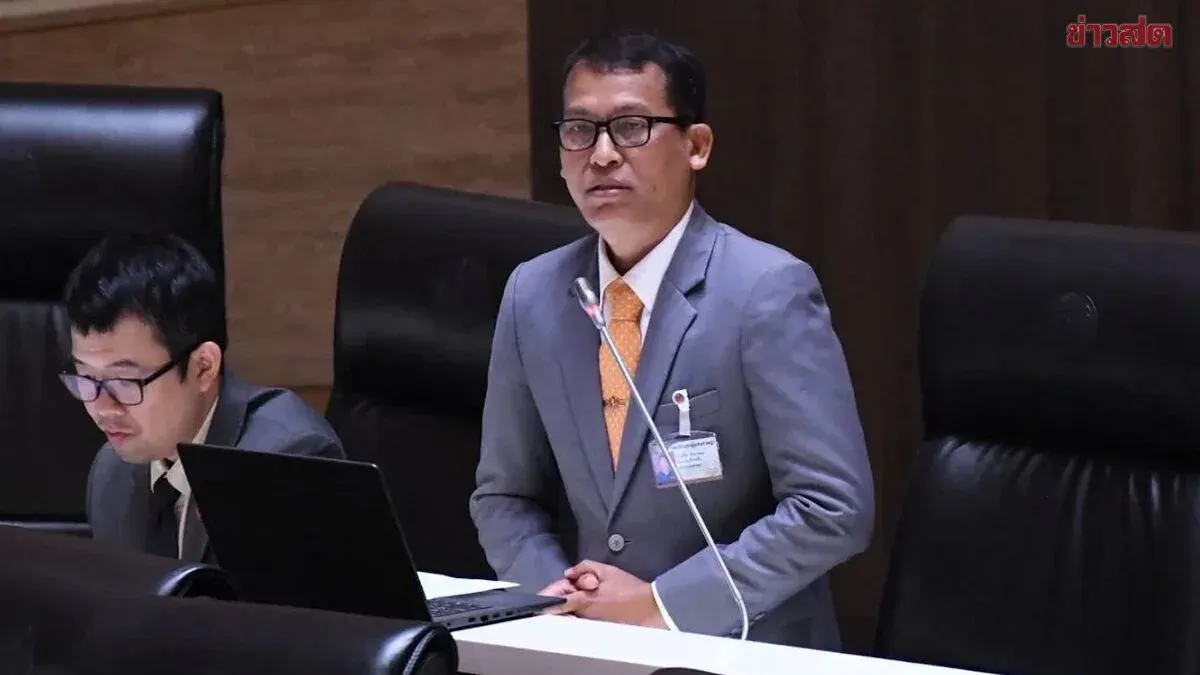
OKMD Director Dr. Tawarat Sutabutr presented TK Park Yala as a national model for community learning spaces, emphasizing four success factors: visionary local leadership, investment in modern facilities like fabrication labs and studios, flexible expert management, and continuous diverse programming. A notable highlight was youth reinvesting competition prize money into the park's equipment, creating a self-sustaining cycle of learning and mentorship across generations.
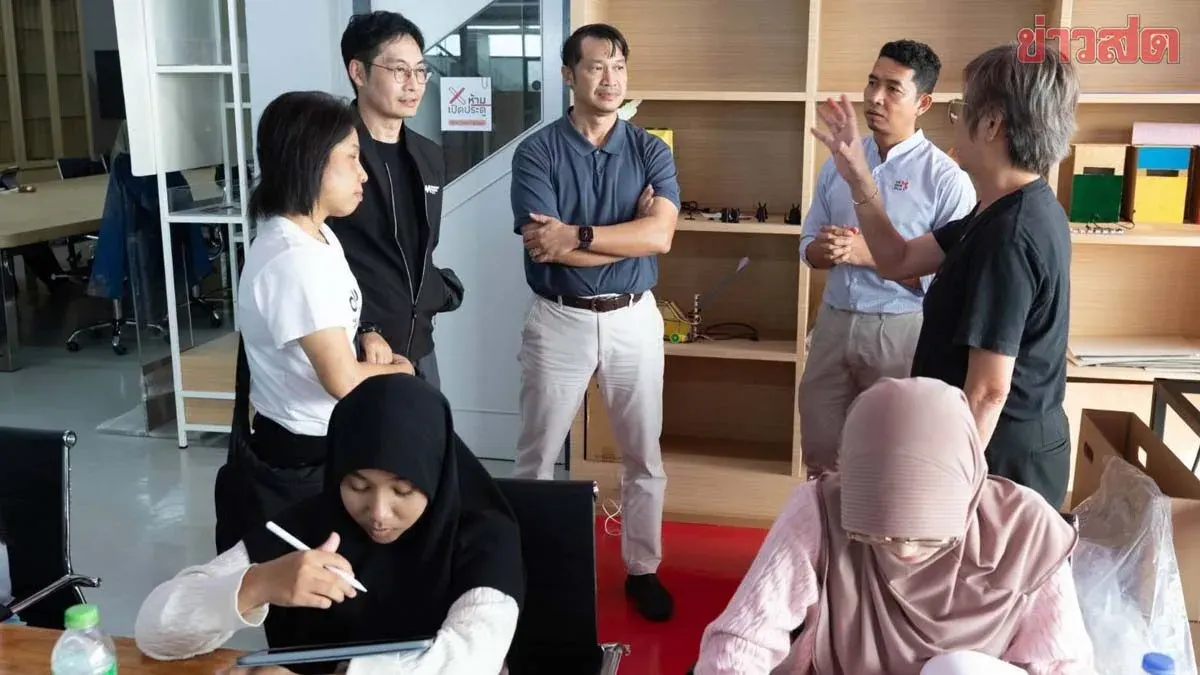
OKMD Director Dr. Tawarat Sutabutr highlighted TK Park Yala as a model for local administrative organizations, citing its success in linking spaces, activities, and youth needs. Key factors include leadership vision, investment in modern facilities like labs and studios, flexible expert management, and continuous programming that makes the learning center a permanent part of community life.
On November 9, 2026, Dr. Tawarat Sutabutr, Director of the Office of Knowledge Management and Development (OKMD), revealed the creative learning space development of the Yala Learning Park, or TK Park Yala, as an example for local administrative organizations to study. Its distinctiveness stems from management that connects space, activities, and youth needs, making the learning hub a continuous part of city life.
The first key factor is the vision and determination of local leaders who prioritize non-formal education. Even though the municipality already oversees six schools, it proceeded to create out-of-classroom learning spaces to give children and youth opportunities to explore interests and develop potential in diverse ways.
The second factor is investment and space management to meet new-generation learning needs, including allocating buildings, budgets, and equipment. Understanding that modern libraries encompass activity spaces, experiential learning, and hands-on skill training — such as laboratories, studios, and digital media production or editing rooms — is essential. "Some areas must be open for activities; some must be for hands-on learning, like labs, studios, video editing rooms. Therefore, allocating budgets to create these is important," Dr. Tawarat said.
Dr. Tawarat noted that what impressed him during the visit was seeing youth who grew through the learning space return to contribute to its development. He learned that a youth team winning a competition and receiving millions of baht in prize money donated the funds to the municipality to purchase additional equipment for the creative Fabrication Lab, a workshop for craft and engineering skills.
This reflects the bond between youth and the learning center: when the space develops their abilities until they succeed, they return to support tools and opportunities for the next generation, creating a continuous learning cycle passed from one generation to the next. "TK Park molds kids; kids win prizes; prizes come back to buy more equipment; expecting to mold the next generation. It starts a cycle that makes a learning space like TK Park significant," Dr. Tawarat said.
The third factor is a management model that brings in expert teams to operate flexibly, recruiting personnel and designing activities suited to users, reducing limitations if the municipality ran the center entirely alone — another point for other localities to study and adapt.
The fourth factor is ensuring the space is used regularly with consistent activities. The municipality treats TK Park as a city activity hub. Examples observed during the visit included youth orchestra rehearsals and dance performances, making the space accommodate technology, arts, music, and performance, while attracting children and youth on weekends.
"Yala's lesson shows that developing learning spaces must simultaneously pursue leadership vision, resource support, flexible management, and continuous activities to create a sustainable learning ecosystem," Dr. Tawarat concluded.