Opposition Accepts 4+1 Day Censure Debate for Nov 7-11
The user wants a short summary (1-2 sentences, 120-220 characters, max 240) of the Thai article about a no-confidence debate schedule. The article discusses opposition and government negotiating debate dates, settling on 4+1 days (Nov 7-11)
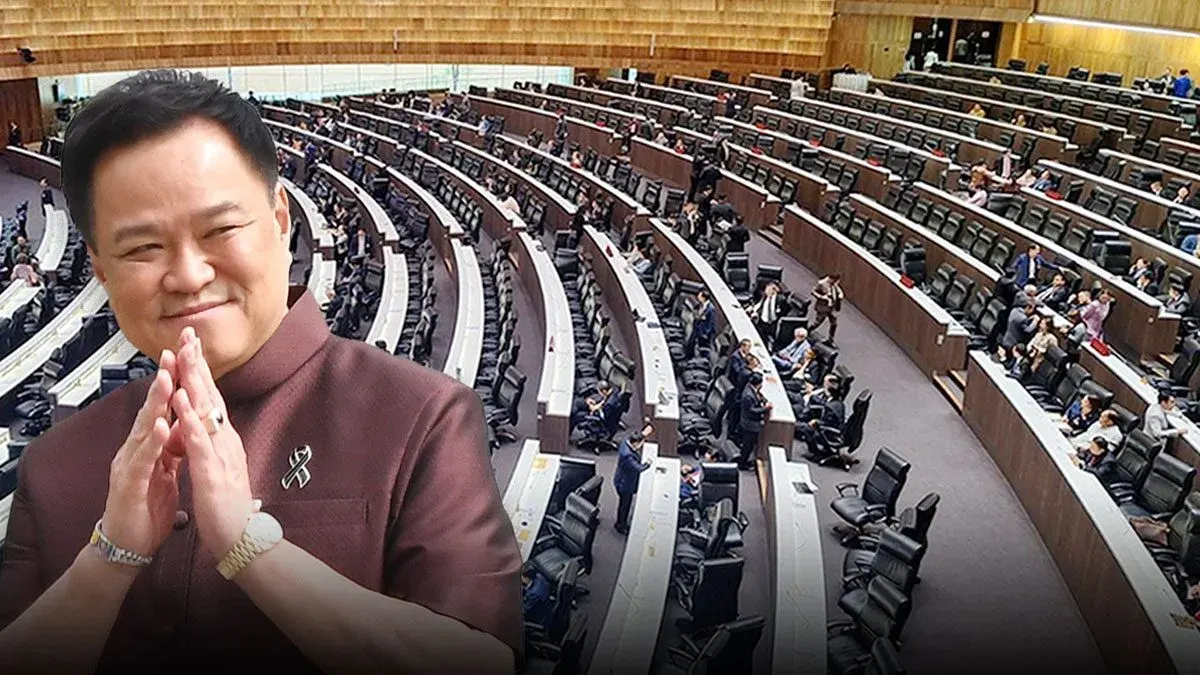
Setting the debate date has become a test of resolve between government and opposition after they failed to agree on a timeframe. The opposition originally demanded five days of debate plus one day for voting — a 5+1 formula totaling 60 hours — while the government sought to limit the schedule, citing the prime minister's packed agenda through December. The opposition has now reduced its request to four days of debate plus one voting day, a 4+1 formula that allows negotiations to move forward. Both the Pheu Thai and Democrat parties agree that November 7–11 is the optimal window. A look at Prime Minister Anutin's schedule shows a gap in early November before he must host the Chinese premier on November 13–14, followed by the ASEAN Summit in the Philippines, the APEC meeting in China, and a string of international engagements running to the end of the month. Pushing the debate into December would only compress the window further, given government holidays and important royal ceremonies before the parliamentary session closes on December 22. If the debate cannot be held in time, the censure motion may lapse, squandering this session's opportunity to hold the government to account.
This censure debate is no minor affair. The opposition has filed a motion targeting 18 ministers, spearheaded by the prime minister and the Bhumjaithai-led coalition. Allegations range from corruption and the Khao Yai land case, to exam cheating scandals, suppression of grey-capital and scam networks, and failures on the economy and energy crisis. All are charges the public deserves to hear both sides argue.
The date-setting is both a political and strategic game. The opposition needs sufficient time to present evidence and question ministers; the government wants to avoid a protracted stage that could erode confidence. But overly restricting the schedule risks the appearance of dodging scrutiny — especially when the opposition has signaled flexibility, offering weekend sessions or staggered slots for ministers with prior commitments. The 4+1 proposal thus represents a middle path: the opposition concedes time to ensure the debate actually happens, while the government gains a clear framework to answer every charge.
Given the prime minister's calendar, November 7–11 is the sweet spot — not so late that the government looks like it is stalling, not so soon that the opposition cannot adapt its case from the original 5+1 to the new 4+1 without losing substance. The government should clear the way for parliament to do its duty; the opposition must use the time wisely, bringing proof to substantiate its claims. A censure debate is not a arena for scoring political points but the people's right to know how those entrusted with executive power have performed — and whether they deserve continued trust.