Parliament Debates Urgent Motions on Toxic Pollution Crisis
Thailand's Parliament debated urgent motions from multiple parties on the nationwide toxic pollution crisis, citing cross-border contamination from neighboring mines and rampant illegal industrial waste dumping. MPs demanded the Cabinet declare pollution control zones, cut utilities to polluters, impose heavier penalties, and form a committee to study remediation and compensation. Lawmakers warned Thailand has become a global dumping ground with toxins already entering the food chain.
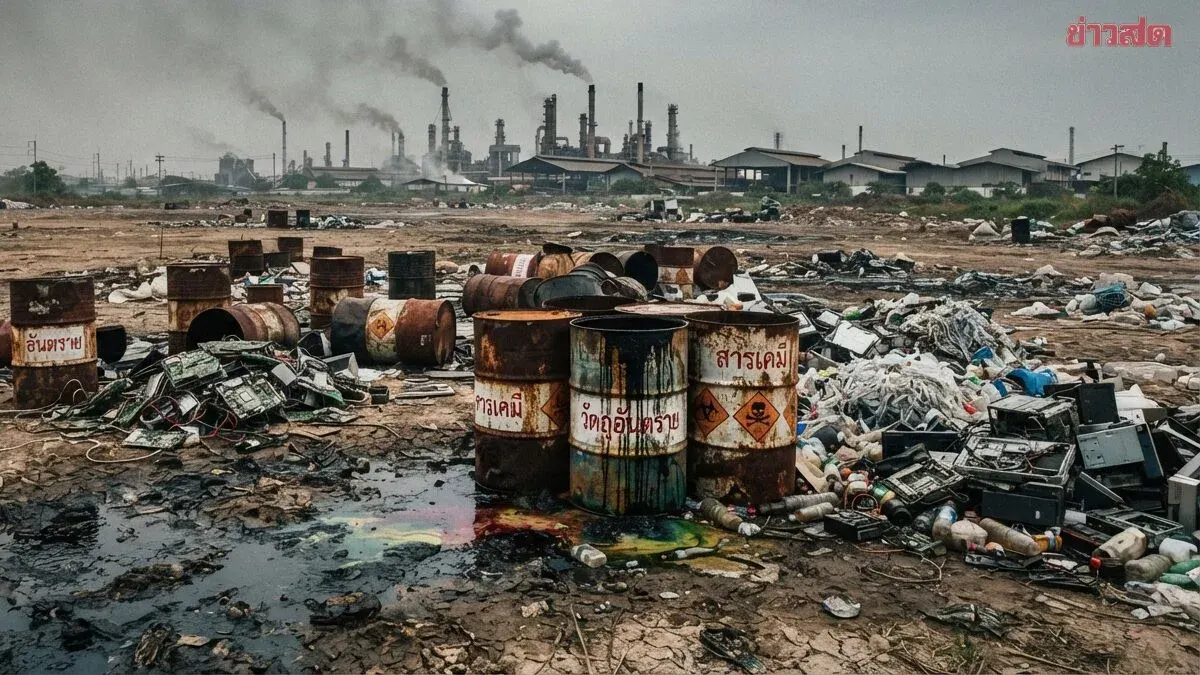
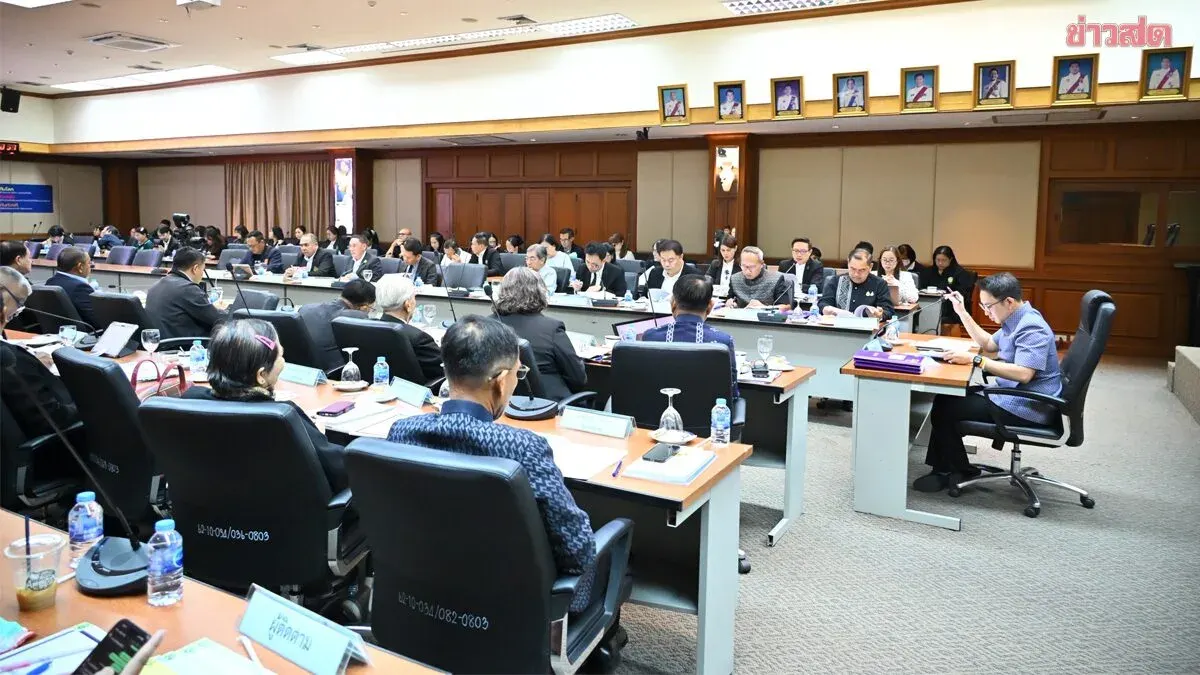
At 6:00 PM on November 26, 2026, Parliament convened with First Deputy Speaker Mallika Chiraphawanich presiding to debate urgent motions on the toxic contamination crisis threatening Thais nationwide. The motions highlighted cross-border hazards from mining in neighboring countries and illegal industrial waste dumping across all regions, urging the government to act swiftly.
The motions were submitted by MP Kulvadee Nopphamarat (Ratchaburi, Bhumjaithai Party) along with four others, MP Narumas Phiamphandit (Chon Buri, Prachachon Party), MP Monthicha Chaiban (Chiang Rai, Klatham Party), MP Ratklao Inthawong (Party-list, Pheu Thai Party), and MP Chakkraphop Phenkha (Party-list, Pheu Thai Party). Another motion by MP Jaturon Chaisaeng (Party-list, Pheu Thai Party) proposed forming an ad-hoc committee to study chemical and industrial waste contamination and its impacts on the economy, society, quality of life, natural resources, and environment, plus prevention, remediation, and compensation measures.
MP Kulvadee illustrated three scenarios: a mother in Mae Sai District, Chiang Rai, turning on her tap to find no water because the waterworks had to halt supply due to extremely high toxin levels; farmers in Ranong who have watched the Kra Buri River run muddy red for over six years, unsure where to find clean water for their livelihood; and communities living alongside illegal toxic waste dumps and factories secretly dumping chemicals, now found in nearly every region — innocent people bearing the burden of pollution caused by irresponsible actors.
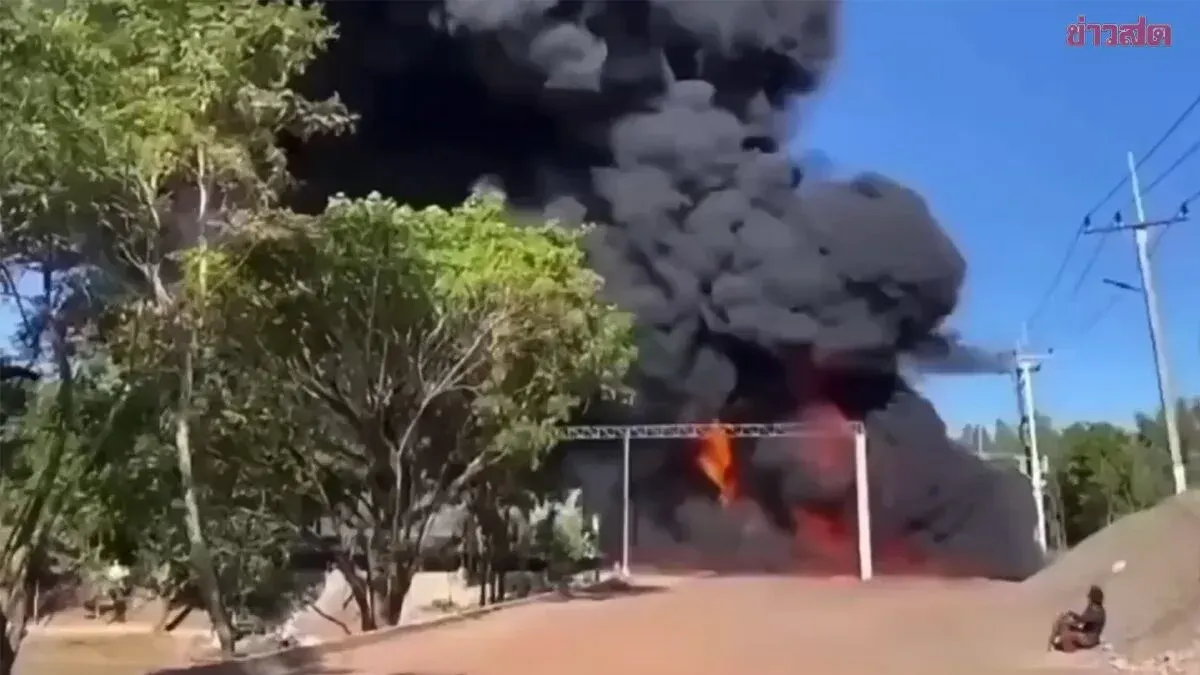
Thailand faces a two-front war, Kulvadee said. First, cross-border pollution from mining in neighboring countries flowing down the Kok, Sai, Ruak, and Mekong Rivers, with the Salween River affecting the North and the Kra Buri River affecting the South. Second, domestic industrial waste and chemicals illegally dumped repeatedly in every region — buried, discharged into waterways and public lands, and heavy metals transported across provinces. She cited the transport from Prachin Buri to Nakhon Ratchasima, factory and warehouse fires storing chemicals, and toxin releases into soil, water, and air destroying community health. The problem repeats like a rerun while polluters roam free, with cleanup costs falling on the state and people, and penalties far too light.
"This毒害 of Thais, whether from abroad or domestically, is a crime no different from narcotics, call-center gangs, or gray businesses that Thailand must suppress," Kulvadee stated. "The state has used decisive measures — cutting off water, electricity, and internet to cross-border criminal operations — and must handle this with equal resolve."
Kulvadee proposed six measures for the Cabinet: 1) Expedite targeted relief and declare pollution control zones in all crisis areas, including border river basins and communities near industrial waste sites, and use pilot testing funds...