Parliament Panel Probes MP Shooting, Questions Navy Weapon Role
A parliamentary committee investigating the shooting of MP Kamolsak Liwamo criticized police for bypassing existing intelligence databases and demanded the Royal Thai Navy account for the murder weapon. The panel summoned the Narathiwat governor for testimony and warned that failure to trace the crime to its masterminds would undermine Thailand's entire justice system and risk escalating the southern border crisis.

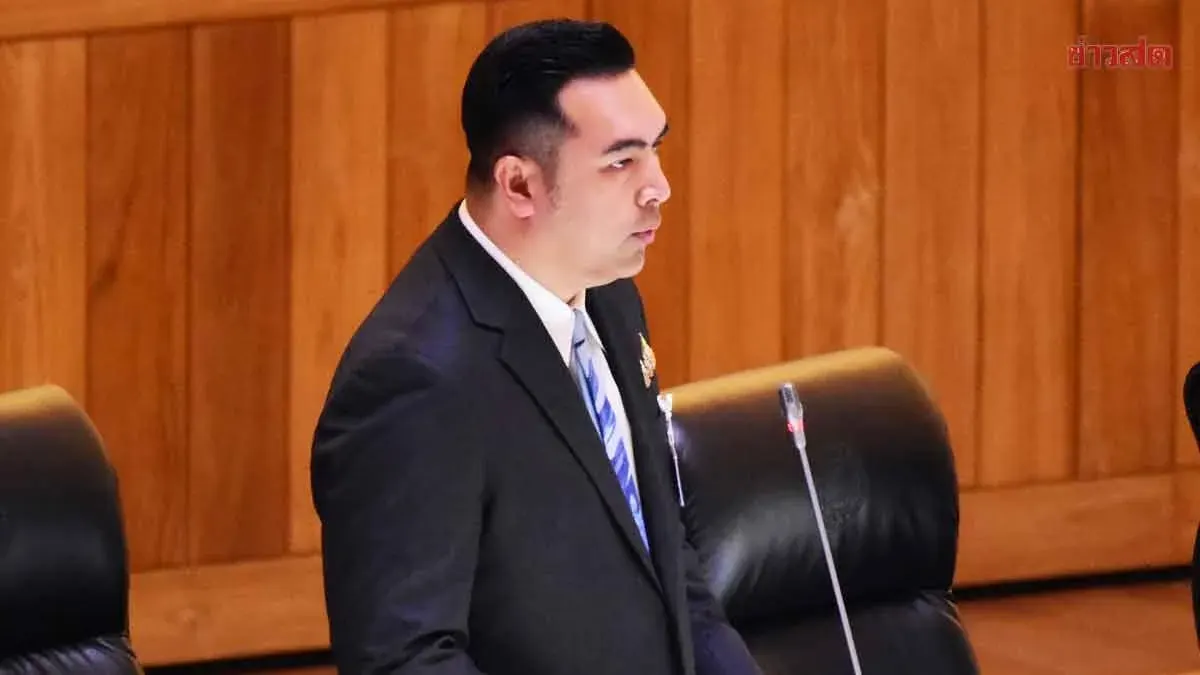
At a 9:30 AM hearing on November 19, 2026 at Parliament, People's Party list-MP Rangsiman Rome, chair of the House Committee on Legal Affairs, Justice and Human Rights, updated the probe into the shooting of Chart Thai Pattana Party MP Kamolsak Liwamo. Beyond phone records tracked two weeks prior, the committee found serious problems gathering witnesses and evidence to expand the investigation. Data traceable through Region 9 Police was instead requested from telecom providers, raising doubts about whether authorities genuinely want to reach the masterminds.
Today the committee invited the Narathiwat governor to testify, hoping administrative channels yield leads to those behind the attack. The panel also pressed the Royal Thai Navy on the murder weapon. Rangsiman noted the Navy previously cooperated well but recently stalled, despite a joint committee being formed to verify the gun. Proving whether the same barrel was used is straightforward — simply excavate the disposal pit. If the barrel is missing, it suggests the Navy may have covertly diverted decommissioned weapons to violent groups.
This hypothesis is simple, yet the Navy's verification has dragged on for months. The committee will now decide how to handle the Navy's non-cooperation and unproduced documents. Asked about Kamolsak's concerns, Rangsiman said he hasn't spoken to him personally, but any MP elected by the people who faces such violence would worry — and ordinary citizens face even greater danger. He warned this is not just a security crisis but a judicial one: if the case fails to reach the hirers, public trust in the entire rule-of-law system collapses, potentially widening the crisis in the three southern border provinces.