Agriculture Minister: Thailand-US Trade Deal Still Preliminary, Imports Strictly Controlled
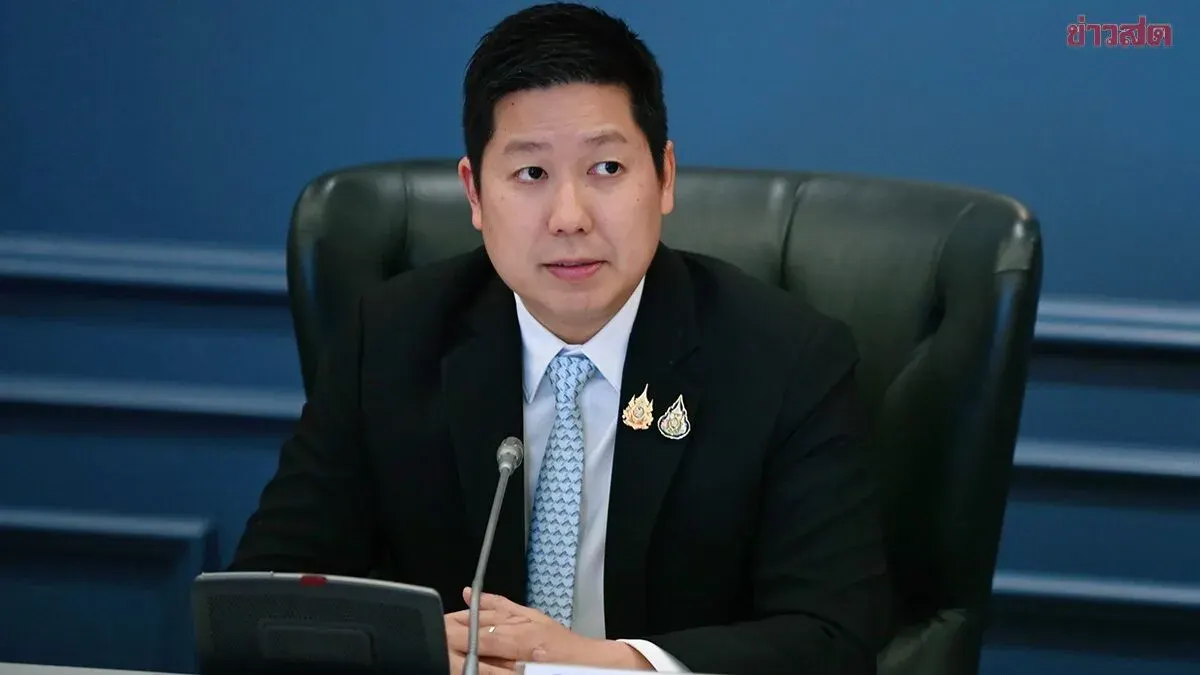
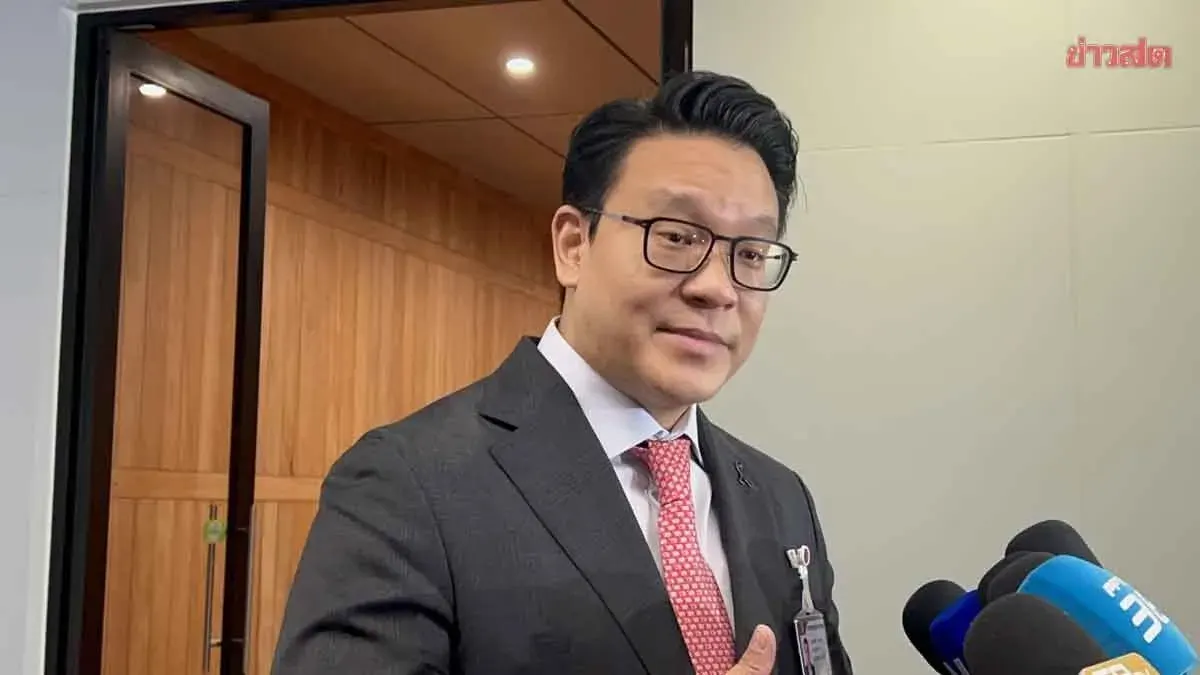
Agriculture Minister Warawut told parliament the Thailand-US trade deal signed by Prime Minister Anutin and President Trump is only a preliminary framework without binding details. He emphasized the ministry maintains strict import controls and can reject contaminated products, while preparing comprehensive measures to protect farmers from any potential impacts on vulnerable agricultural sectors.
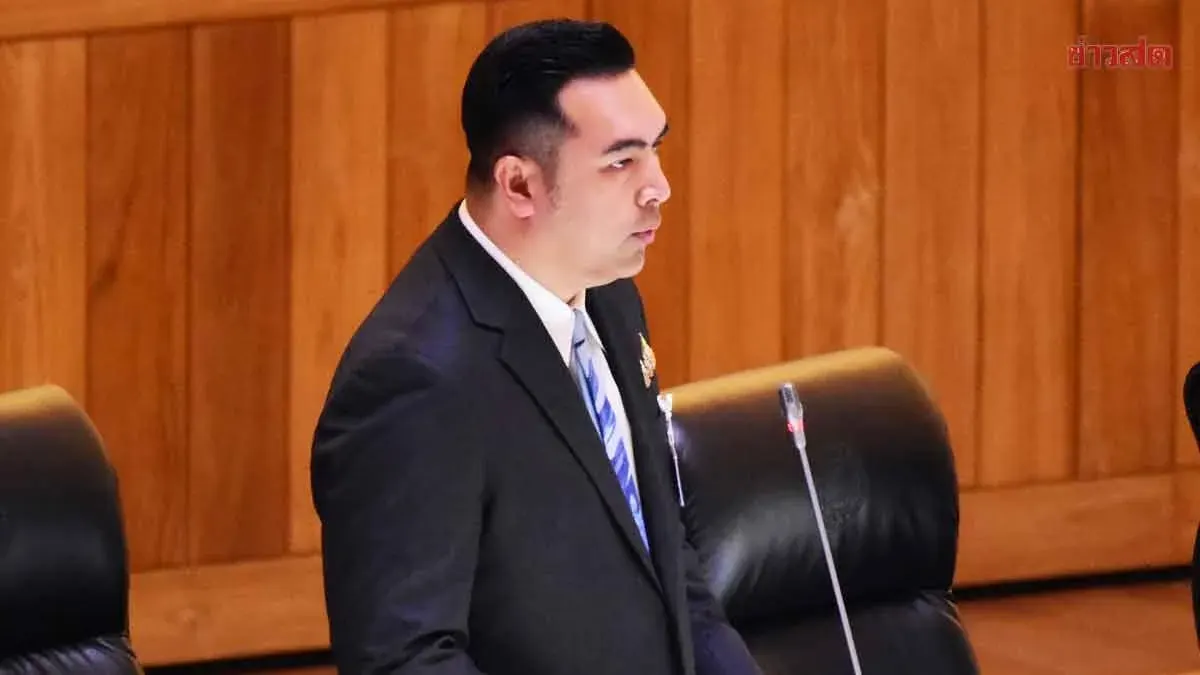
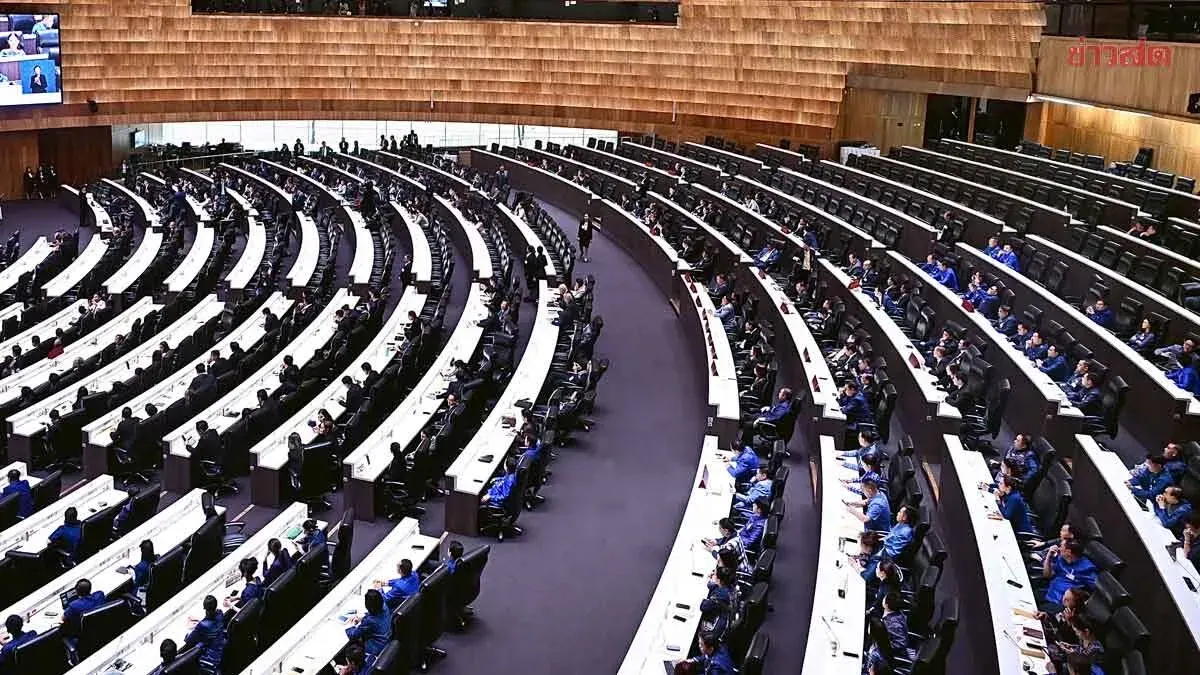
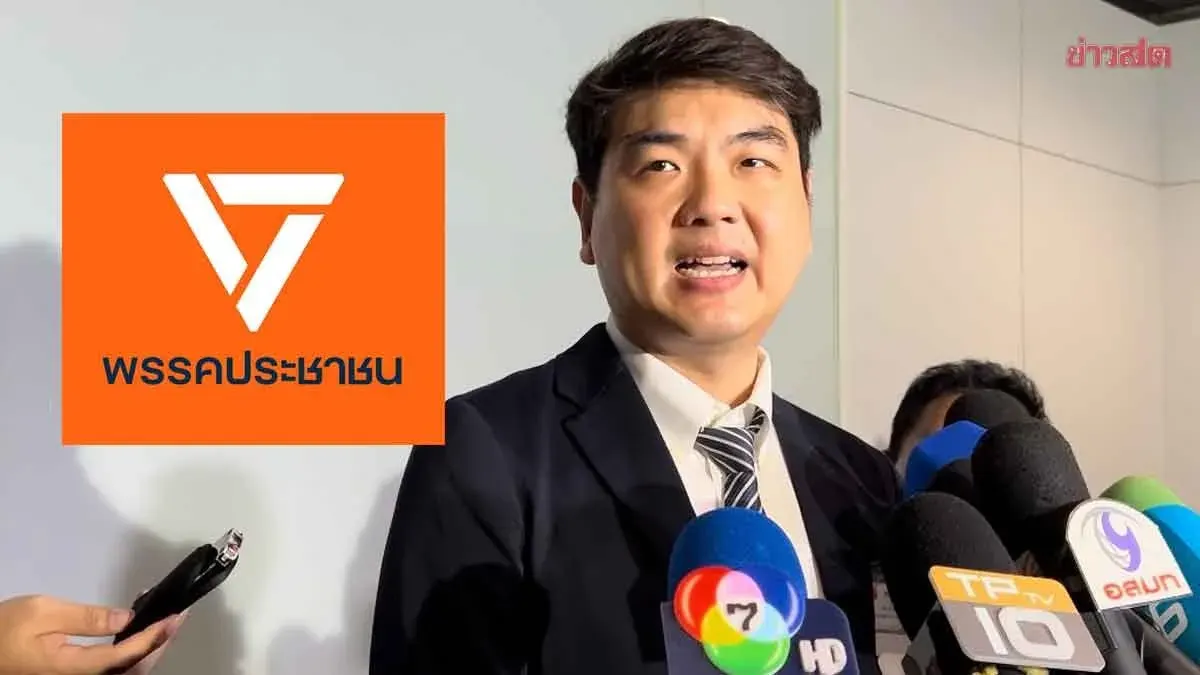
Speaking at 10:40 a.m. on November 19, 2026, during a House of Representatives session chaired by Second Deputy Speaker Leesak Pathananchakul, Agriculture Minister Warawut Khaokham addressed an urgent question from party-list MP Isara Pairiphairit of the Prachachon Party. The question concerned the impact on farmers and agricultural products after Prime Minister Anutin Charnvirakul, also Interior Minister, signed a joint statement on the Agreement on Reciprocal Trade (ART) with U.S. President Donald Trump. The agreement mentions imports of feed corn, poultry, and pork priced below Thai market rates, raising concerns about chemical residues and genetic modification.
Warawut, a Pheu Thai MP for Udon Thani, clarified that the framework signed by the prime minister is only a preliminary agreement, not a final conclusion. It will not become law or take effect until after further negotiations, a review of the draft treaty to ensure it meets both Thai and U.S. requirements, cabinet approval, public hearings, and parliamentary endorsement. If parliament rejects it, the agreement falls through. Therefore, the prime minister's signature represents only a broad framework without specifics.
The minister added that negotiations fall under the Commerce and Foreign Affairs Ministries, so details cannot be disclosed while talks are ongoing. However, the Agriculture Ministry anticipates potential impacts on products such as feed corn, though Thailand already imports significant quantities due to insufficient domestic production. Imports come from multiple countries, including neighbors, under strict Thai regulations requiring no environmental harm. Under any Thailand-U.S. deal, the Agriculture Ministry will impose stringent measures for the Commerce Ministry to consider, ensuring farmers are not harmed.
Regarding pork imports, Warawut noted the Agriculture Ministry already enforces sanitary and phytosanitary measures. Even with a trade agreement, Thailand retains these standards and can reject imports if contaminants such as beta-agonists are detected.
On preparedness, Warawut said Agriculture Minister Suriya Jungrungreangkit has set a policy framework and convened all relevant departments to prepare measures covering farmer incomes, monitoring vulnerable agricultural products including feed corn and meat, import controls, food security, and livestock, fisheries, and farming production costs. All measures will prioritize farmers first, address vulnerable agricultural goods, and maintain Thai import-export standards.
Warawut concluded that if impacts occur, production standards may need adjustment to emphasize quality and genuine efficiency, an approach the Agriculture Ministry already prioritizes.