Thailand Awaits US Trade Deal as Anun-Trump Talks Stall
Thailand's negotiating team is racing to finalize a bilateral trade agreement with the US before new tariffs take effect, with discussions focused on labor standards and production capacity rather than a confirmed Trump meeting.
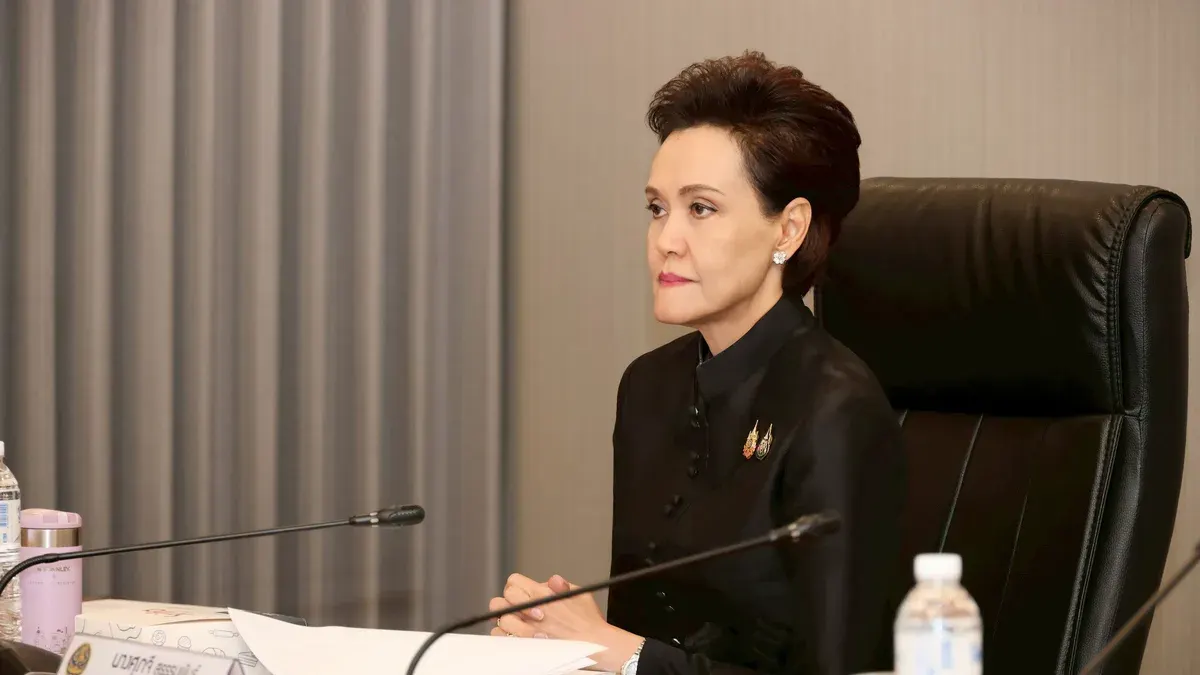
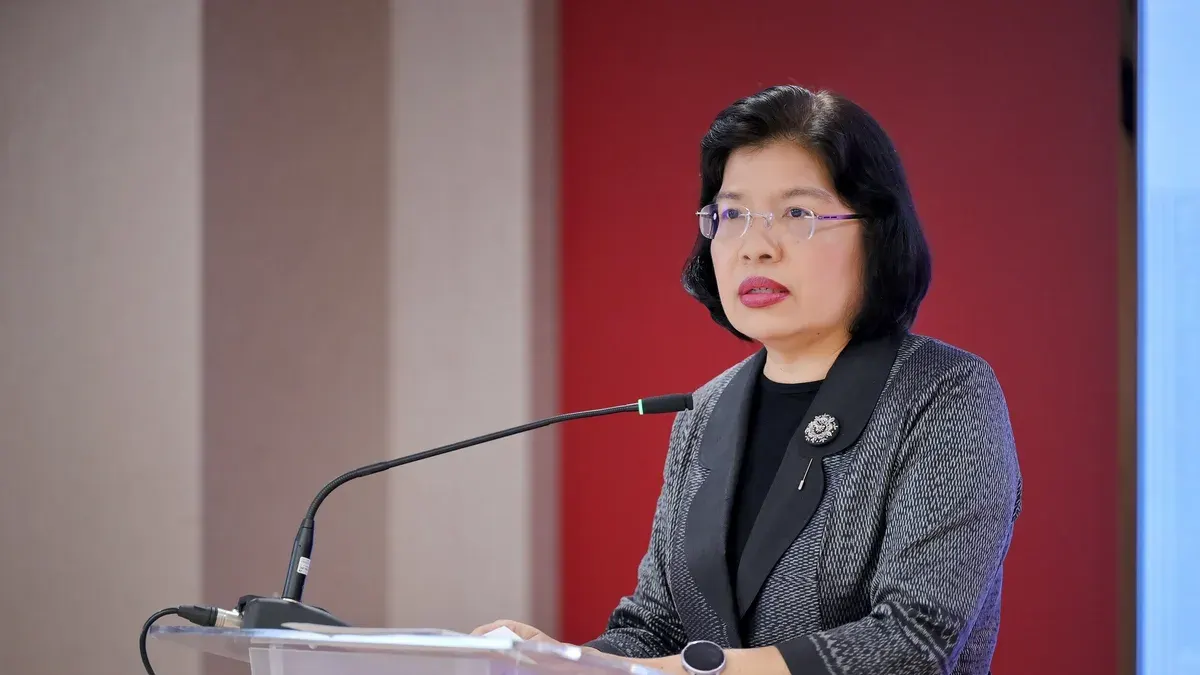
Deputy Prime Minister and Commerce Minister Supassee Suthammapun said Thailand's negotiating team is in talks with the US Trade Representative's office to finalize details of the bilateral Agreement on Reciprocal Trade (ART). Prime Minister Anun Chanyaweerakul had been expected to meet President Donald Trump on September 17 or 18, 2025, but no formal date has been confirmed. Supassee said Thailand wants to clarify official-level negotiations and ART details first, then prepare data and proposals for leadership discussions. The prime minister's visit to the US from September 21–27 focuses on attending the United Nations General Assembly in New York as Thailand's representative. Any separate meeting with US leaders remains unscheduled.
Thailand's negotiating team continues ART talks at official level while closely monitoring US Trade Representative moves. The priority is to finalize the agreement before Section 301 tariff measures advance, to limit tariff risk and preserve Thai goods' competitiveness in US markets. ART negotiations are in their final phase, with most major points settled and only wording adjustments and some details remaining. The team meets continuously by video conference. Speeding up the deal is vital for Thailand, as the US seeks to rebalance trade deficits; Thailand has a significant surplus with America. Thailand aims to keep tariffs within previously discussed bounds and no higher than regional competitors' rates—currently set at 19 percent.
Thailand has already submitted clarifications to the USTR on Section 301 inquiries, particularly concerning labor enforcement and production capacity structure. The USTR has pursued Section 301 measures against multiple countries over forced labor, including public comment and bilateral talks. Thailand must also monitor the USTR's review of excess production capacity, which could affect US tariff levels on Thai goods. Thailand's goal in ART negotiations is to keep tariffs in the agreed framework and avoid disadvantaging exporters against regional rivals. Maintaining competitive tariff rates is critical for Thai negotiators because higher rates would undermine exporters' competitiveness and pressure producers dependent on US markets.