Parliament Passes Local Personnel Bill, Civil Service Commission Runs Executive Exams
Parliament unanimously passed the Local Personnel Administration Act, assigning the Civil Service Commission to oversee executive-level competitive exams for local government posts while keeping professional and position-suitability exams at provincial and local levels. The reform aims to curb exam corruption, restructure hiring authority, and empower communities to recruit their own staff, with the bill now awaiting royal endorsement.
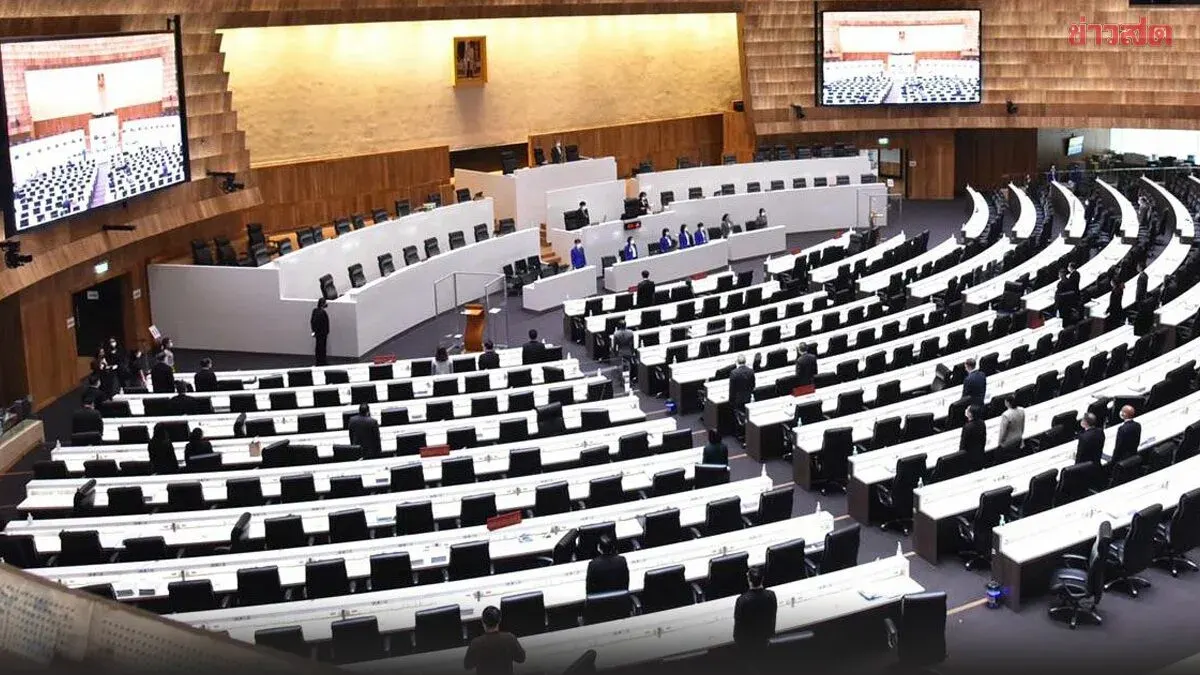
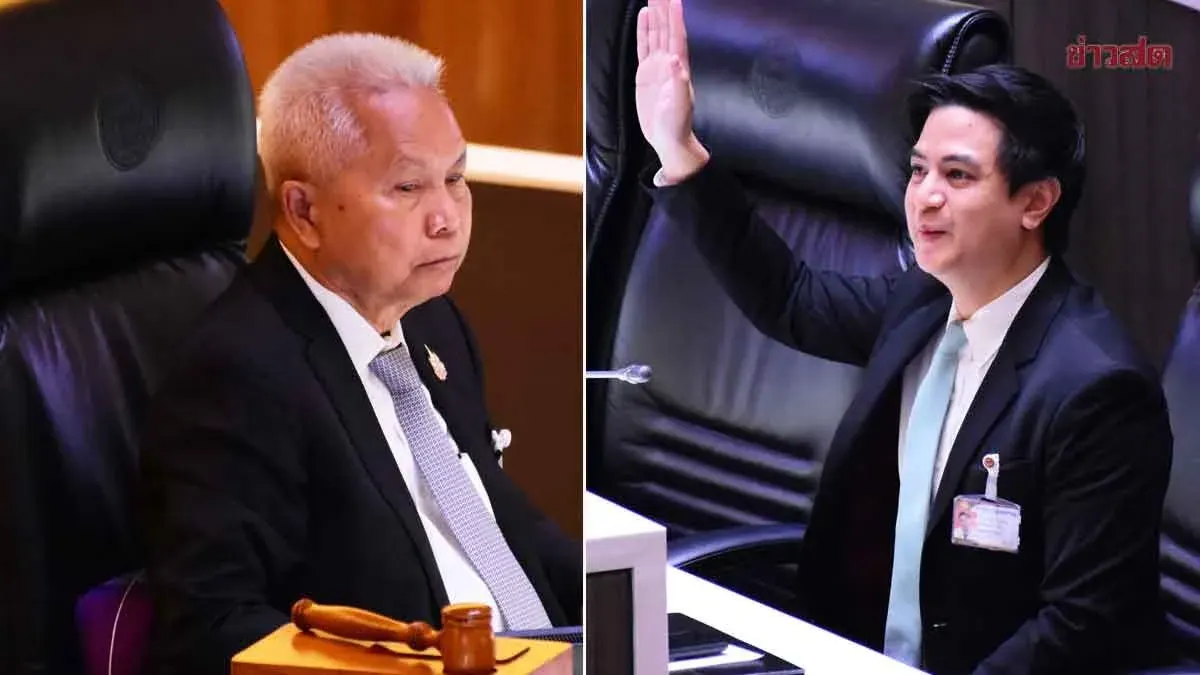
On November 25, 2026, Parliament convened under House Speaker Sophon Sarun to consider the draft Local Personnel Administration Act, which the Joint Committee had completed reviewing. MP Krawit Prisananankun of Ang Thong from the Bhumjaithai Party, serving as Joint Committee Chair, presented the key points: the Senate amended the competitive exam section to combat cheating in local exams, restructuring executive-level (Kor) exams to use Civil Service Commission standards. Although the House initially disagreed and required a Joint Committee, the intent was to give the bill anti-corruption teeth, minimize bribery for local government positions, restructure exam authority, and allow localities to recruit their own personnel — a 'three-P' approach: combat corruption, reform, and open local opportunities.
Krawit explained that the Joint Committee revised the Senate's amendments by having general knowledge and ability tests (Kor level) use Civil Service Commission exams, which he believes raises standards and creates a new exam structure. Professional-level (Khor) exams use provincial committees to address past corruption, while position-suitability (Kor) exams become the locality's responsibility to administer. He said this answers the corruption problem and restructures the agencies that select local government staff.
Krawit added that the Joint Committee removed new provisions the Senate had added, amid concerns they might disqualify honest candidates who passed Kor exams. The Committee affirmed it would not revoke Kor exam credentials from previous Department of Local Administration rounds, and proposed letting the Ministry of Interior define central committee powers going forward. For Khor exams, budget shortfalls were noted; the proposal makes exams a local duty and power, allowing localities to allocate budgets, with a fallback to Department of Local Administration funds if local budgets are insufficient.
Reporters noted most MPs agreed with the Joint Committee's revisions, confirming that assigning the Civil Service Commission to run Kor exams does not violate the Constitution or centralize power, since localities retain authority to test and select suitable candidates. The bill then passed a unanimous vote of 416 in favor and will proceed to royal endorsement.