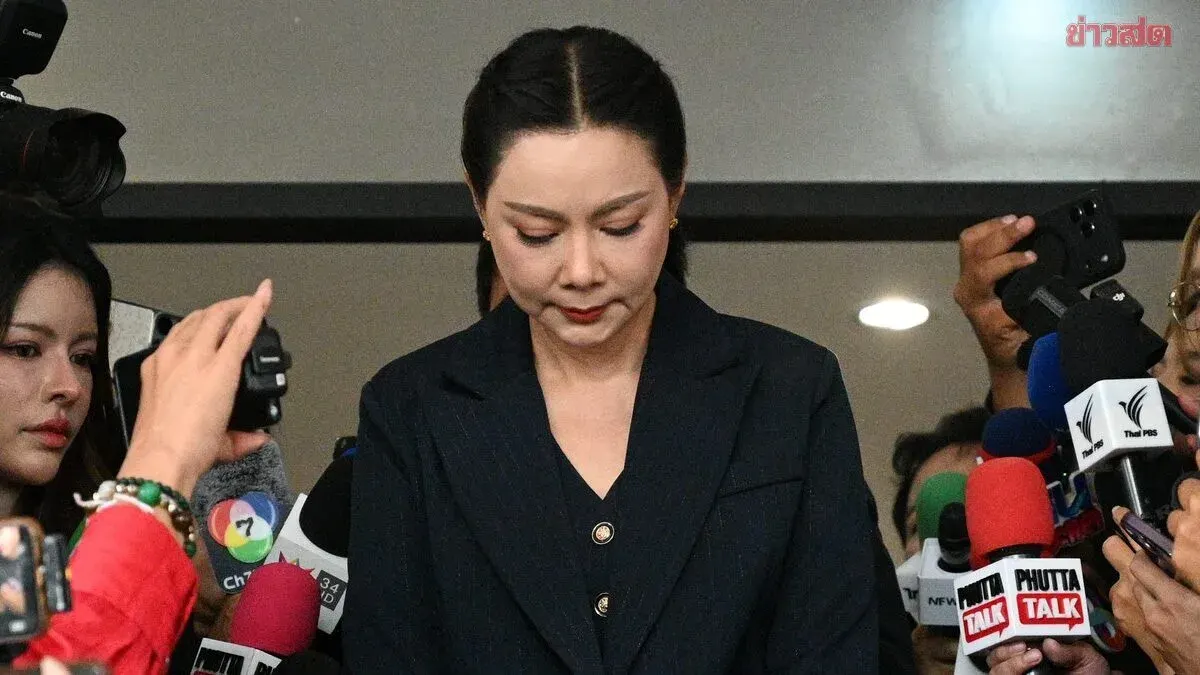
Senate Approves Local Admin Bill Centralizing Entry Exams
The Thai Senate voted 127-0 to approve a draft bill restructuring local government recruitment exams, placing initial general knowledge testing under the Civil Service Commission to combat corruption. The legislation preserves local control over specialized and suitability exams while adding protections for candidates who already passed earlier tests. The bill now moves to the House of Representatives for further deliberation.
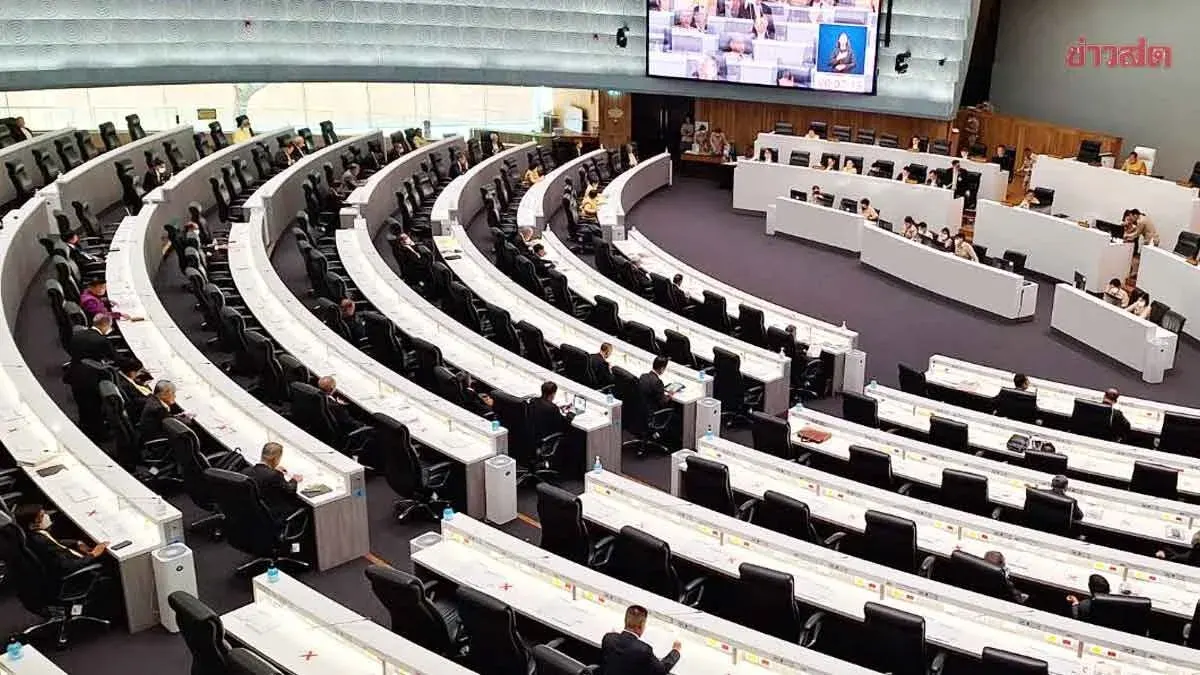
On November 24, 2026, the Senate convened at Parliament with First Vice President General Kriangsk Srirak presiding. The chamber considered a draft Royal Decree on Local Personnel Administration Regulations (No. …) B.E. …, which the joint committee had already reviewed. The question before the Senate was whether to endorse the draft.
Reporters noted the draft had been amended in two key areas during its previous Senate reading. First, Section 5 was revised to designate the Office of the Civil Service Commission (OCSC) as the primary body administering general knowledge examinations (Phase 1), while removing the role of the Provincial Administration Central Personnel Committee or other state agencies certified by that committee. Second, a new provision was added to protect candidates who had already passed Phase 1 exams before the amended law takes effect, allowing them to use their existing certification to apply for local government positions unless the relevant central personnel committees specify otherwise. The joint committee had voted to delete this entire article.
During debate, most senators disagreed with the joint committee's changes, arguing they undermined decentralization. Senator Praphas Pintabat said he opposed the revisions because they abandoned the original principle without clear justification that locally administered exams would lead to corruption. He noted that corruption had actually occurred when the NCPO centralized power, and the joint committee had not endorsed the original draft unanimously. "Allowing localities to conduct exams or manage personnel does not guarantee corruption-free exams, but centralizing some authority does not guarantee integrity either. We should uphold decentralization and independent administration, building systems that — even if imperfect — can be improved toward perfection. Exams must be transparent, such as Phase 3 interviews where the public knows who sits on the panels. Transparent processes with public participation build better anti-corruption systems," Praphas said.
Meanwhile, joint committee spokesperson Kittichai Engchuan, a Phuket MP from the Bhumjaithai Party, explained that past local exam corruption had eroded trust in Phase 1 testing, prompting the shift to OCSC administration. The OCSC confirmed its readiness. Phase 2 exams remain with local bodies to allow them to secure budget support, since the central committee previously provided no funding.
After debate concluded, the Senate voted 127 in favor of the joint committee's version.