Parliament Uncovers 1,000+ Fraudulent Birth Cases at Bangkok Hospitals
Parliament's legal committee uncovered over 1,000 fraudulent birth registrations across eight Bangkok hospitals where foreign nationals illegally obtained Thai citizenship for children with no Thai biological parent. The investigation revea
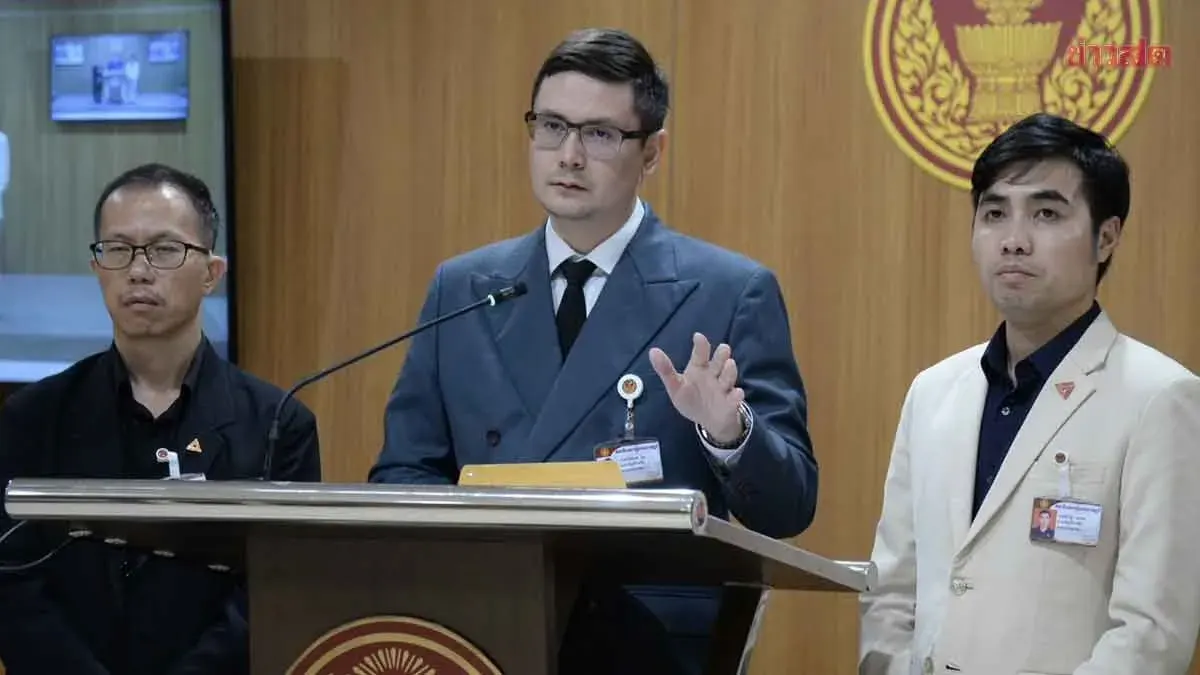
On August 13, the House legal and human rights committee held a hearing on the "surrogate father" fraud scheme, revealing eight Bangkok hospitals with between 1,000 and 1,500 flagged cases. Deputy committee chair Piyarat Jongthep explained that officials had invited witnesses, though two private hospitals failed to attend. Most data came from provincial authorities, and investigators flagged numerous orange-level cases—instances where both biological parents were foreigners but the child's status was registered as having a Thai surrogate father.
Piyarat noted that two private hospitals declined to cooperate. The committee found deeply alarming patterns: foreign nationals systematically using the surrogate father loophole to grant Thai citizenship to children with no biological Thai parent. Officials said they had contained the immediate problem, but acknowledged that moving forward requires stricter enforcement measures.
A major roadblock is financial. DNA testing costs 3,000 baht per case, and the committee lacks sufficient budget and investigator personnel to process the existing 1,000 cases already identified. Piyarat reported a fresh complaint received on August 12 of irregularities at another large private hospital on Srinakarin Road, with four new cases now under investigation. He called on the Interior Ministry to investigate alleged bribery by Chinese nationals and intermediaries facilitating these schemes, warning that such corruption must not be treated as lightly as past cases.
Committee chair Rangsiman Rom divided the problem into two parts: cases already processed and future prevention. He stressed that authorities have failed to dismantle the underlying criminal network, instead focusing on low-level perpetrators. He noted that some of the fraudulent cases involved individuals now 23 years old—Chinese nationals who received Thai citizenship decades ago—revealing the scheme's long history. Rom acknowledged that government agencies have no comprehensive plan to resolve the issue, citing budget constraints, lack of inter-agency data coordination, and misalignment between the Interior Ministry and provincial administration records.