Phu Langka National Park Showcases Rare 'Naga's Eye' Rock Formation
Phu Langka National Park in Bueng Kan Province features the "Naga's Eye," a striking rainwater-filled limestone basin that creates a shimmering eye-like reflection during the rainy season. The natural phenomenon is best viewed from May to O
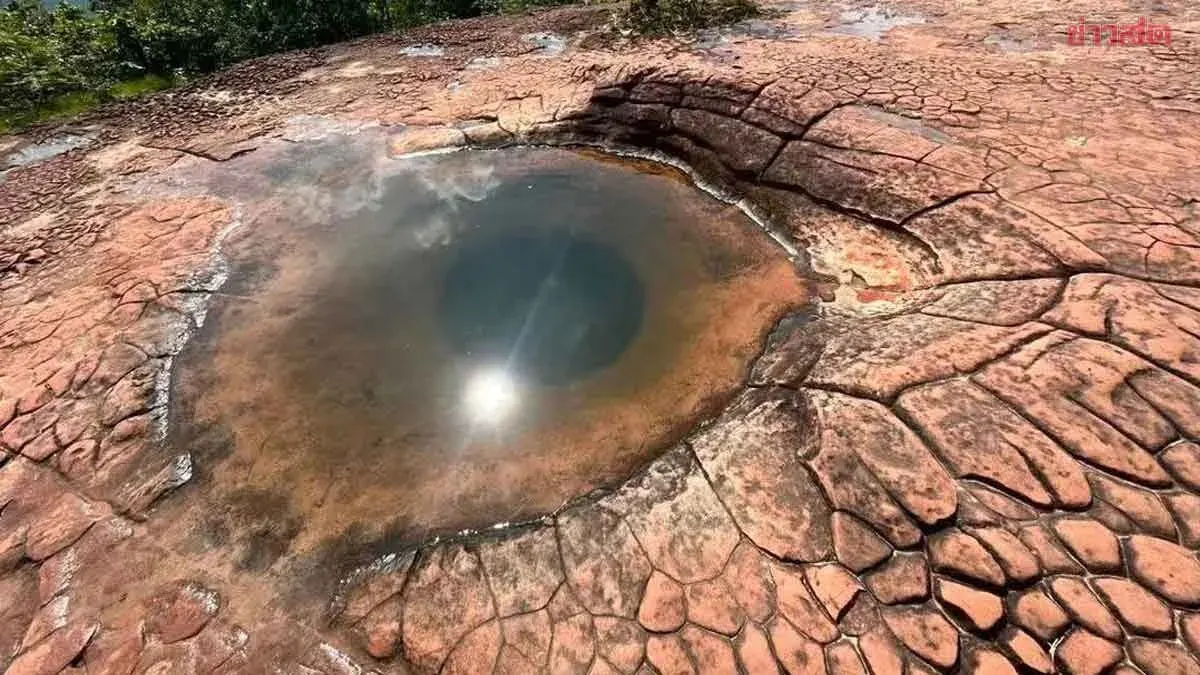
The Department of National Parks, Wildlife and Plants is inviting tourists to experience the natural wonder of the "Naga's Eye," a rainwater-filled limestone depression that shimmers during the rainy season at Phu Langka National Park in Bueng Khong Long District, Bueng Kan Province. The phenomenon results from geological processes where water and rain have carved out varied-sized rock basins in the sandstone plateau near Naka Cave. During the rainy season, water trapped in these depressions reacts with sunlight to create a stunning reflection resembling a large eye on the rock surface, making it a major photo spot for visitors to the cave.
According to Arthapol Jarenchangsaa, director of the Department of National Parks, Wildlife and Plants, this phenomenon reflects the natural wonders of Phu Langka National Park, which holds significant geological and scientific importance beyond its cultural and spiritual value. The department is committed to managing the area sustainably and asks visitors to observe the site respectfully, without touching, marking, or damaging any natural resources to preserve its beauty for future generations.
Aksa Manawoong, chief of Phu Langka National Park, notes that this is a major highlight along the Naka Cave trail that visitors can view during normal park hours. The pool is approximately 1.5 to 2 meters deep and holds water nearly year-round. The most spectacular time to visit is during the rainy season from May to October, when the basin is full and receives ideal sunlight angles for photography. After October, water levels drop and leaf debris accumulates, diminishing the visual effect, making the rainy season the optimal time for visiting.