Thailand and South Korea launched the Seoul-Thailand Bio Bridge to connect their biotech ecosystems, with plans for a Bangkok startup innovation space and potential vaccine manufacturing partnerships with SK Bioscience.
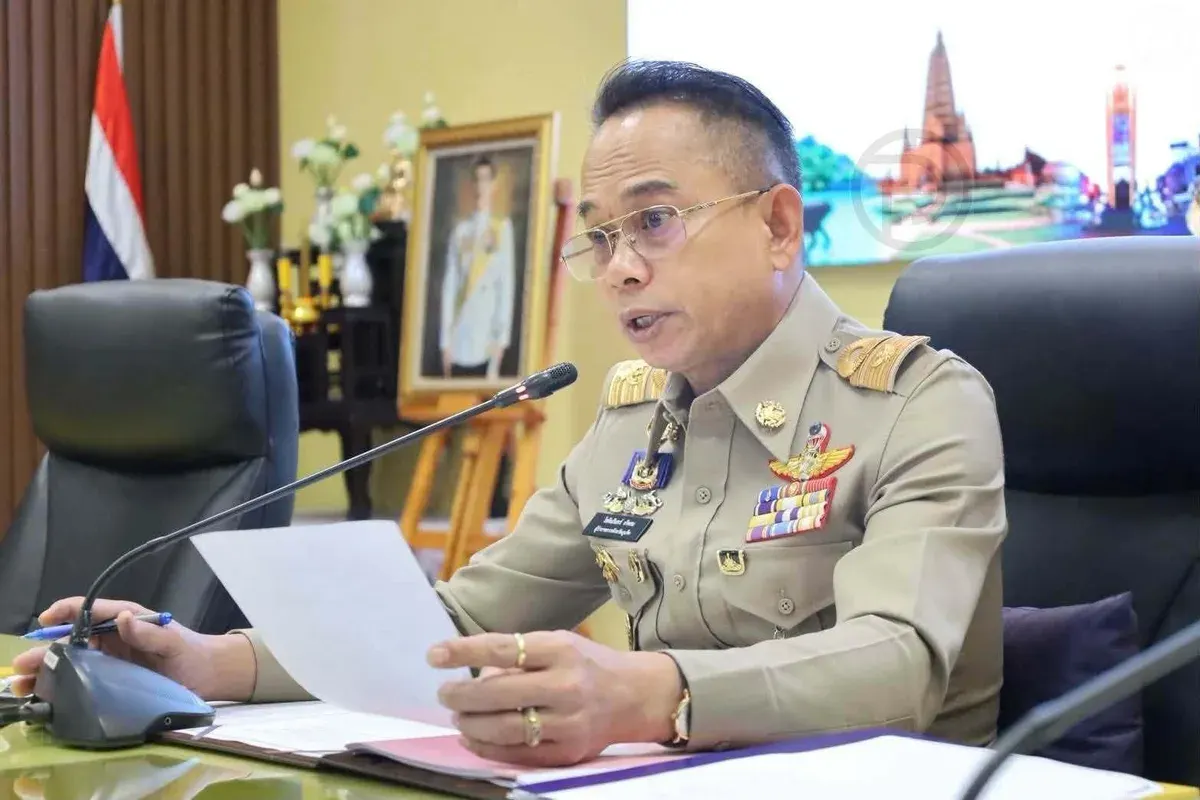
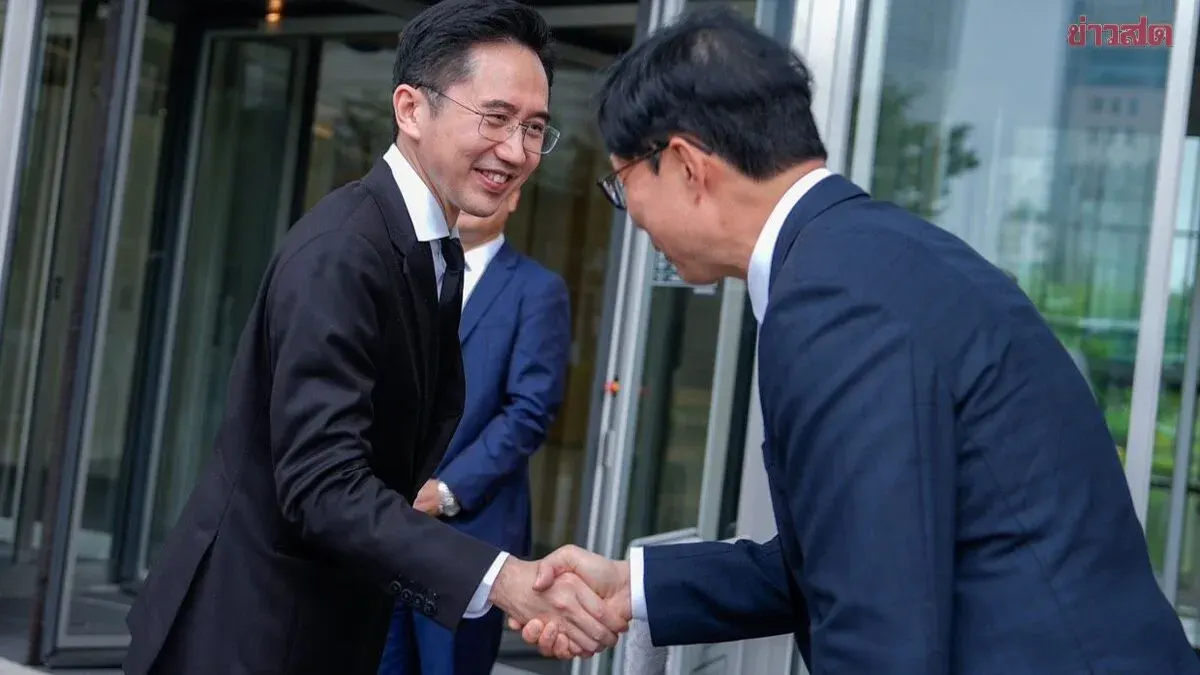
On July 23, 2025, Deputy Prime Minister and Minister of Higher Education, Science, Research and Innovation Yuthasak Sasiprapa, along with senior officials, visited Seoul Bio Hub, one of South Korea's largest and most comprehensive biotech and medical startup incubators, known as the "Boston of Korea." The delegation received business pitches from high-potential startups whose technologies could be applied directly to Thailand, including Cursus Bio (obesity treatment), Medical AI (cardiac disease detection), NeoCannBio (cannabis extraction technology for medicine building on Thai herbal traditions), and Petra Intelligence (3D body-scanning technology for health industries).
Yuthasak highlighted the mission's key achievement: agreement to launch the Seoul-Thailand Bio Bridge to connect the biotech ecosystems of Seoul and Thailand, enabling seamless collaboration between startups from both nations in investment, joint ventures, and market expansion, supported by global accelerator SYP. Within months, Thailand will open the Seoul-Thailand Startup Innovation Space, an initiative under the Science Diplomacy policy jointly promoted by the Foreign Ministry and the Ministry of Higher Education, Science, Research and Innovation. Modern diplomacy, he emphasized, now centers on science, technology, and innovation rather than politics and trade alone.
In parallel discussions with SK Bioscience, a world-leading vaccine developer in the SK Group and the first company to develop a complete domestic COVID-19 vaccine for South Korea, the delegation explored technical cooperation on cell-culture-based vaccine manufacturing technology. This method surpasses traditional egg-based production by operating in a closed, sterile system, cutting production time by 2–3 months, enabling larger batches, and quickly adapting to new variants. The talks also covered positioning Thailand as a regional clinical research hub and expanding into animal vaccines to serve Thai livestock and agriculture sectors, with conclusions expected by year-end.
Yuthasak stressed that vaccine sovereignty means more than rapid, safe access during epidemics—it requires Thailand to develop and lead its own health security.