Prolonged Screen Use Drives Dry Eye Surge in Thailand
A Thai health article warns that prolonged screen time on phones, computers, and tablets is fueling a rise in dry eye disease across all age groups. It details causes like contact lenses, aging, dry environments, and smoke, along with symptoms such as irritation, blurred vision, and light sensitivity. Prevention tips include regular eye breaks, artificial tears, proper monitor placement, and a diet rich in vitamin A and omega-3s.
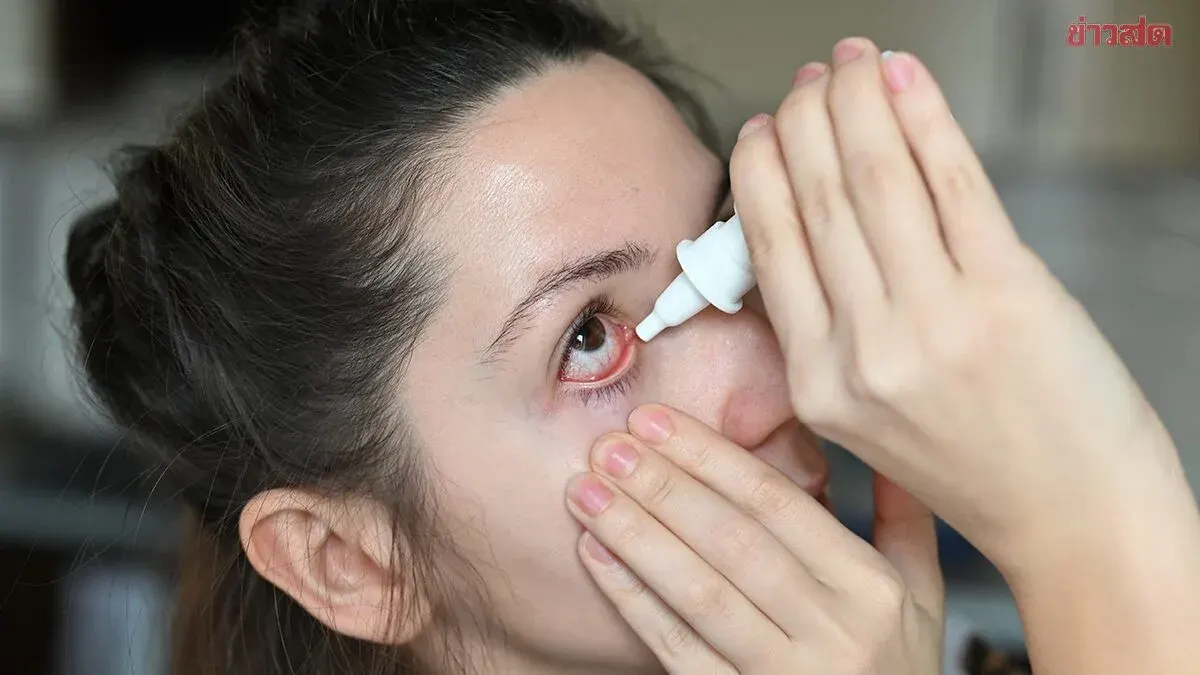
Health experts highlight risky behaviors causing dry eye disease, a growing issue for people glued to their phones. With work, study, and business now conducted on smartphone, computer, and tablet screens, extended use is harming eye health, leading to dryness, stinging, irritation, redness, and nearsightedness, especially among working-age adults. If left untreated, it can impair long-term vision quality.
What Is Dry Eye? Dry eye disease can affect anyone at any age. It stems from insufficient tear volume, excessive tear evaporation, or poor tear quality. The result is a dry, uneven corneal surface that irritates easily. Some people experience excessive tearing, but this is reflex tearing triggered by irritation, not nourishing tears.
Causes of Dry Eye
- Wearing contact lenses - Vitamin A deficiency - Aging: older adults produce fewer tears, or meibomian glands in the eyelids become blocked, reducing baseline tears - Prolonged computer screen work and reading - Hot, windy, or dry air-conditioned environments - Cigarette smoke, fire smoke, or other eye irritants
Symptoms of Dry Eye
- Red eyes, frequent tearing - Light sensitivity, glare intolerance - Stinging, irritation, itching, discomfort - Eye fatigue, blurred vision - Stringy mucus in or around the eyes - Foreign body sensation
Prevention of Dry Eye
- Take regular eye breaks during long work sessions: close eyes for 1–2 minutes or blink frequently to spread tears across the eye surface - Use artificial tears regularly to maintain moisture - Avoid strong airflow directly on the eyes from fans, air conditioners, or hair dryers - Wear sunglasses to protect against light and wind - In dry environments, close eyes periodically to reduce tear evaporation - Position computer monitors below eye level to reduce evaporation; higher placement forces eyes to open wider, increasing dryness - Avoid wearing contact lenses for extended periods - Quit smoking or avoid secondhand smoke - Consume foods high in vitamin A (fish liver oil, organ meats, egg yolks, carrots, broccoli, pumpkin) or omega-3 fatty acids (deep-sea fish, flaxseeds, walnuts, corn oil, soybean oil, rice bran oil)
Dry eye disease is a common condition affecting all ages and genders — not a minor issue as many assume. Even if symptoms are not severe, leaving it untreated can cause chronic irritation and blurred vision. Consult an ophthalmologist promptly to protect eye health and reduce long-term vision risks. Sources: rama.mahidol, bpk9internationalhospital, bumrungrad Compiled by Khaosod Online news team.