Scholar Urges New Police Chief to Sustain Community Policing Model
A scholar urges Thailand's new police chief to sustain community policing reforms that treat citizens as safety partners rather than bystanders, warning that good initiatives must become institutional rather than dependent on individual lea
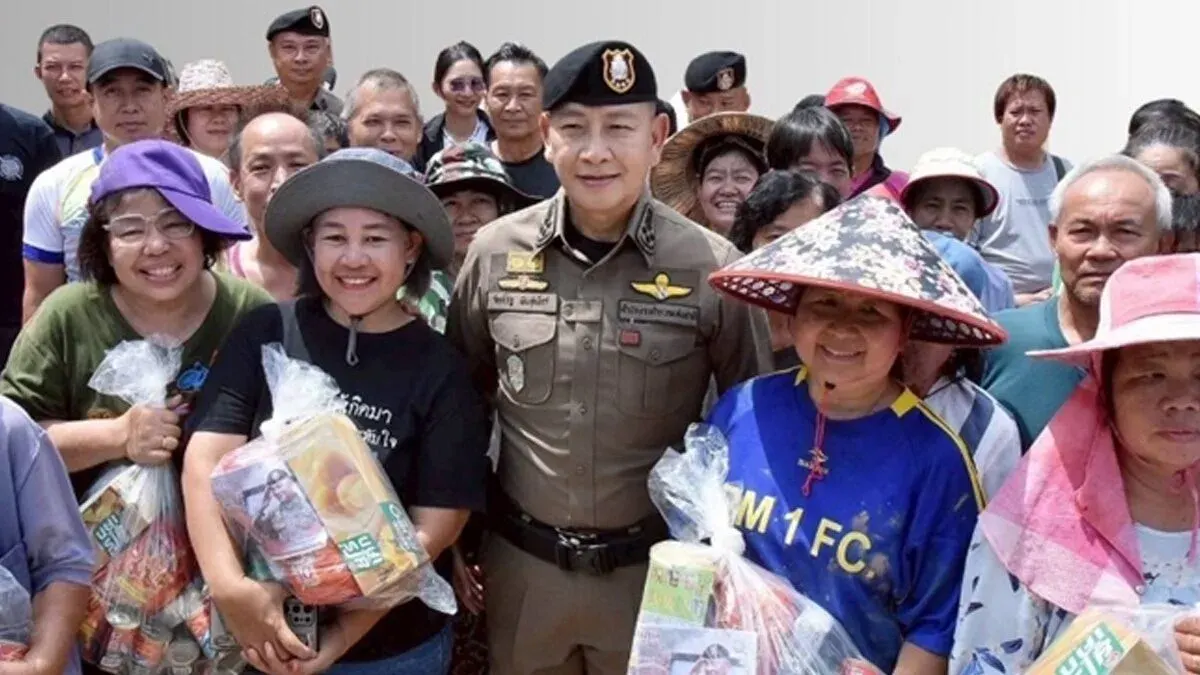
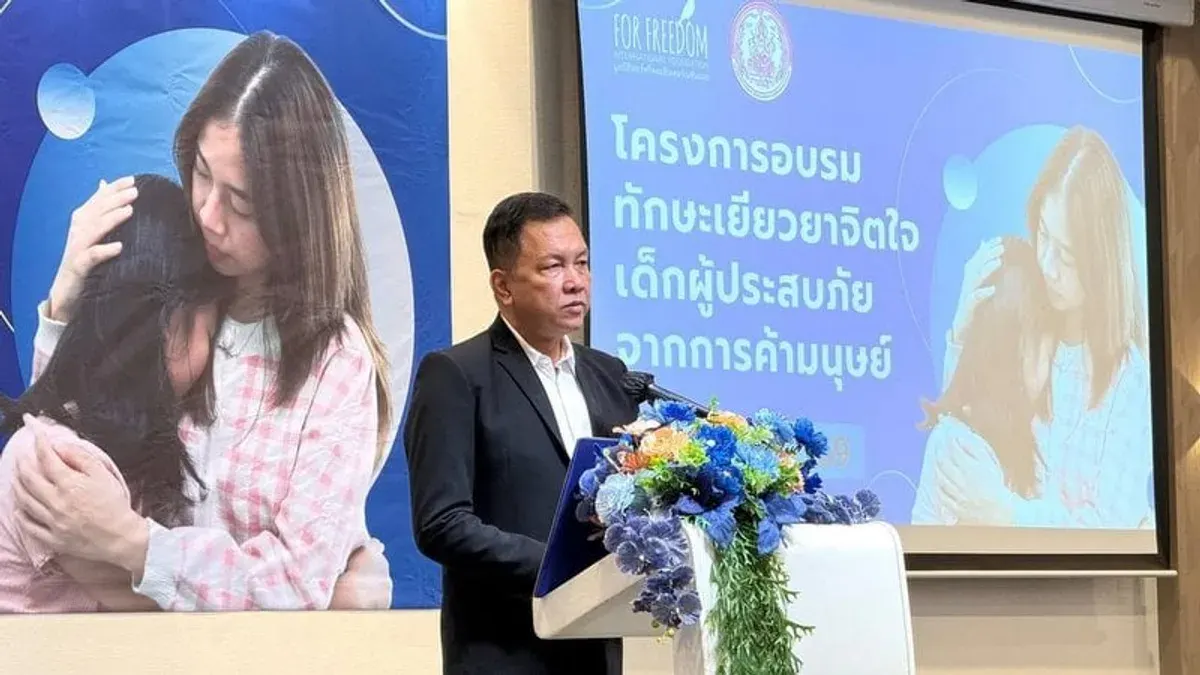
Academics have advised the incoming national police commander to continue the community policing approach championed by his predecessor, aiming to rebuild public confidence and transform the volunteer police force into genuine safety partners. Assoc. Prof. Dr. Nophadol Kannika, a lecturer in the Master's curriculum at the School of Public Administration, Siam Technology College, and a member of the National Police Policy Committee, discussed the leadership transition from Police General Kittisart Pansetchr to Police General Samran Nualma, stressing that the key is not merely changing leaders but ensuring good initiatives continue and become institutionalized rather than tied to individuals.
He suggested that the lasting image of the previous era should not be limited to arrests and drug seizures, but rather show police leaders opening space for greater public engagement with the force. "We are moving from a model where only police care for public safety toward a new concept where police and citizens jointly safeguard community security," he said.
This shift is evident in the emphasis on public participation, work through community police committees, and promoting a modern volunteer police program—one that serves not merely as a police reserve force but as a genuine community safety partnership. The new volunteer model is not another police unit, an armed force, or a transfer of official authority to civilians. Rather, it creates community members who know their neighborhoods, can identify vulnerable points, recognize irregularities, know how to report incidents, understand their limits, and assist police and neighbors lawfully.
For younger generations, this concept is best understood as a "network" where everyone plays a role: police enforce law, citizens observe and alert, and communities protect their own areas. When these three parts connect, safety need not always begin after a crime occurs.
Society often judges police by their mistakes, which the public has every right to scrutinize. Yet society may overlook officers who do not go home at night while others sleep, those standing in sun and rain, or those running into danger as others flee. "Fairness must work both ways," he stressed. "Police who err must be checked, but those doing well must also be seen."
One key image from Police General Kittisart's tenure should not merely be the message "police must do better," but rather a signal to junior officers that "if you do well, the organization will recognize you." If good people work hard but go unseen while shortcuts lead to advancement, the force loses good people one by one.
Assoc. Prof. Dr. Nophadol said that encouraging good officers, meeting with subordinates, and opening space for public participation are not trivial matters but constitute building an organizational "culture" that values integrity and listens to citizens. Modern police must be proactive, not merely responsive. As crime evolves—with some offenders abroad, operating via phones and the internet rather than guns—the police approach must evolve too.