Security Agency Faces Reform or Dissolution Pressure
Lawmakers are pushing to dissolve Thailand's Internal Security Operations Command (ISOC) over budget concerns and a shooting incident involving ISOC personnel against a Narathiwat MP, though officials argue the agency remains necessary for
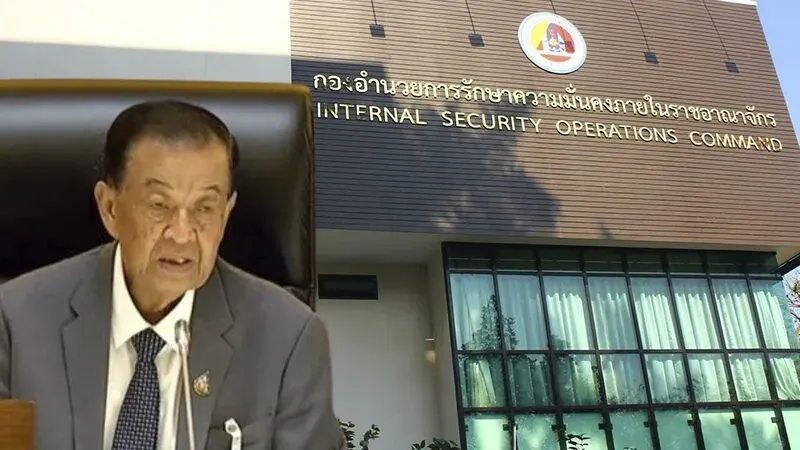
A proposal by Wan Muhammadnor Matha calling for the dissolution of the Internal Security Operations Command (ISOC) signals serious structural problems in Thailand's security apparatus that society is increasingly questioning, including budget justification, overlapping mandates, and public confidence. The harsh comment that "ISOC's achievement is shooting MPs" stems from the shooting of Narat Nara, a Narathiwat MP, whose investigation revealed ISOC personnel and vehicles were involved—a major blow to the agency's image. When an organization tasked with protecting citizens becomes implicated in violence against elected representatives, the damage extends beyond the agency itself to undermine faith in the entire state system. Although ISOC's secretary-general maintains the organization is necessary as a security coordination mechanism and Prime Minister Anutin Charnvirakul has clearly stated ISOC will not be dissolved because it has served Thailand for many years, historical arguments alone cannot address society's fundamental questions: What unique value does ISOC create today that other agencies cannot provide, and does it spend public tax revenue wisely? Security organizations should not gain legitimacy simply because they have existed long; they must prove themselves through results, transparency, and commitment to rule of law. If allegations persist of abuse of power, political interference, or weak oversight mechanisms, calls for the agency's dissolution will only grow louder. The government should not dismiss this proposal as mere emotion or local pressure, but rather seize it as an opportunity for a major review of ISOC's role, structure, mandate, budget, and oversight systems to align with modern security threats and democratic principles. While dissolving ISOC may seem extreme, allowing it to continue unchanged is not the answer. The Prime Minister, as ISOC's director, must undertake genuine organizational reform to prevent a repeat of the Narat shooting case where ISOC personnel were directly implicated. Critically, ISOC must serve national security, not become a tool for politicians or those in power to manage opponents or dissidents. If it can achieve this, ISOC will regain public trust and justify its continued existence as a national security organization.