Senate Sets Vetting Panel for New Anti-Graft Nominee Kiatiphum
The Thai Senate will convene on November 30 to form a vetting committee for Supreme Administrative Court judge Kiatiphum Saengsasithorn, the sole nominee selected by a recruitment panel to fill a vacant National Anti-Corruption Commission commissioner seat. Kiatiphum secured six of nine votes from the selection committee, which reviewed seven applicants and interviewed three finalists. During his interview, Kiatiphum declined to comment on the NACC's authority regarding a high-profile ethics case involving 44 MPs and Article 112, citing insufficient study of the relevant laws and court rulings.
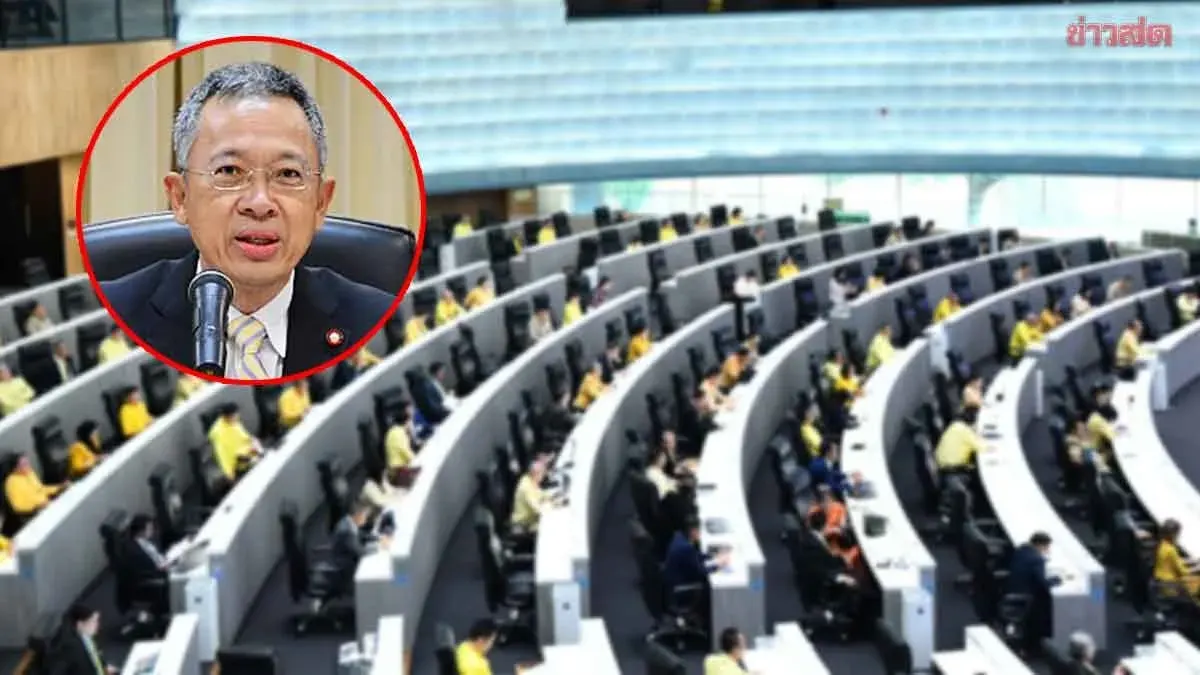
Senate President Mongkol Surasajja has scheduled a Senate meeting for November 30 with the urgent agenda of appointing an ad-hoc committee to scrutinize the history, conduct, and ethical behavior of the nominee for the National Anti-Corruption Commission (NACC) commissioner position vacated by Praphas Kong-ead upon reaching the mandatory retirement age. The selection committee has proposed Supreme Administrative Court judge Kiatiphum Saengsasithorn for Senate consideration. Under Senate procedure, a vetting committee must be formed within a set timeframe before the full Senate votes on approval.
According to reports, the selection committee — chaired by Supreme Court President Wirapong Suwannawong — submitted its report on the recruitment of a suitable candidate for the NACC post. Seven applicants applied, but only five passed the qualification screening: Supreme Court judge Prachong Tekchattra, Supreme Administrative Court judge Kiatiphum Saengsasithorn, Criminal Court for Corruption and Misconduct Cases chief judge Thanarat Thangthong, Pol. Lt. Gen. Somprasong Yenthuwam, and Satit Uraiwerojanakorn. Pol. Lt. Gen. Somprasong later withdrew, and Satit waived his interview due to overseas commitments, leaving three candidates to proceed to the voting round.
The selection committee voted in a single round and successfully chose Kiatiphum, who garnered six votes — exceeding the two-thirds threshold of the nine-member panel. The six members who voted for Kiatiphum were: House Speaker Wan Muhamad Noor Matha (referred to as Sophon Sarum in the text, likely a transliteration variance), Supreme Administrative Court President Prasitsak Milap, former Chaiyaphum governor Narong Wunsiw (appointed by the Constitutional Court), former Kalasin governor Kraisorn Kongchalad (appointed by the Election Commission), former ambassador to Berlin and consul-general in Frankfurt Suwaphong Sirisorn (appointed by the State Audit Commission), and former Amnat Charoen governor Sirirat Chumuppakarn (appointed by the State Audit Commission).
The three other selectors voted differently: Chair Wirapong voted for Prachong Tekchattra; Natthaphong Ruengpanyawut, list MP and leader of the opposition Prachachon Party in the House, voted for Thanarat Thangthong; and former ambassador to Wellington Waravut Phuaphiya (appointed by the National Human Rights Commission) also voted for Thanarat.
The selection committee's report also revealed details from Kiatiphum's interview. Notably, committee member Natthaphong questioned Kiatiphum on the NACC's authority to rule on ethical violations in the case of 44 MPs accused of violating Article 112 of the Criminal Code via a charter amendment proposal, which was deemed a severe ethical breach. Kiatiphum responded that he had not studied the specific law in detail, including the Constitutional Court's ruling on the matter, and therefore could not express an opinion at this stage.