Southern Thailand Monitors Livestock for Foot-and-Mouth Disease
Southern Thailand livestock authorities are on high alert for foot-and-mouth disease during the monsoon season after roughly 100 cattle died in Na Mom district, Songkhla. The Southern Swine Raisers Association has tightened surveillance and vaccination programs, while urging urgent action from the Department of Livestock Development. Officials are particularly monitoring bull fighting rings in six districts, as moving animals could spread the disease, which threatens the region's livestock industry but does not infect humans.
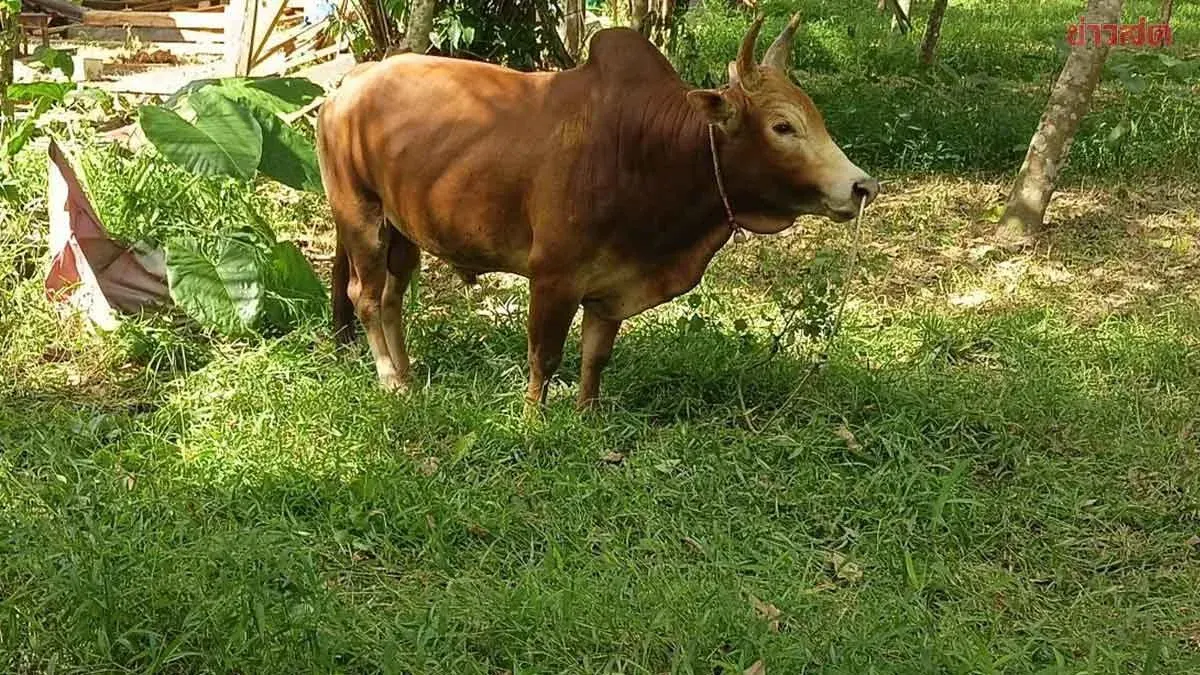
Songkhla - The Southern Swine Raisers Association has implemented strict surveillance and control measures for foot-and-mouth disease across southern livestock populations during the monsoon season in November and December, when outbreaks are most likely. Association President Chathit Phakdiburi said the Region 9 Livestock Office warns that the pre-monsoon period each year is a vulnerable time for cloven-hoofed animals - cattle, pigs, goats, and sheep - though vaccines exist and the disease typically subsides after the rainy season. Currently no outbreaks have been reported in cattle or pigs due to continuous prevention efforts, including twice-yearly vaccinations delivered directly to farms to prevent economic losses that would halt production and trade. Chathit emphasized that bull fighting rings require intensive monitoring since fighting bulls move between venues with their handlers, potentially spreading disease. While foot-and-mouth disease does not infect humans and is heat-sensitive, an outbreak would cause severe damage. Reporters found that cattle farmers in Na Mom district, Songkhla, say roughly 100 cattle have died from the disease since the rainy season began, forcing farmers to bury carcasses themselves. Villagers are demanding the Na Mom District Livestock Office, Songkhla Provincial Livestock Office, and related agencies take serious action amid concerns over disease spread, animal movement, and sick animals entering the food chain. Authorities advise farmers to watch for fever, depression, loss of appetite, excessive salivation, blisters or lesions on the mouth, tongue, gums, and hooves, and lameness. Sick animals must be isolated, movement in and out of risk areas banned, and sick or dead animals must not be slaughtered, consumed, or processed into food to prevent transmission and protect consumers.