Health Officials Warn of Anthrax Risks Across Thailand
Thai health and veterinary officials are raising awareness about anthrax, a dangerous zoonotic disease caused by Bacillus anthracis bacteria found in soil. Cases have been recorded in multiple Thai provinces including Mukdahan, Tak, Kanchanaburi, Phitsanulok, Chiang Mai, and Phichit. The article details symptoms in animals and humans across three infection routes — cutaneous, gastrointestinal, and inhalation — and emphasizes prevention through avoiding contact with sick animals, proper protective equipment, and thorough cooking of meat.
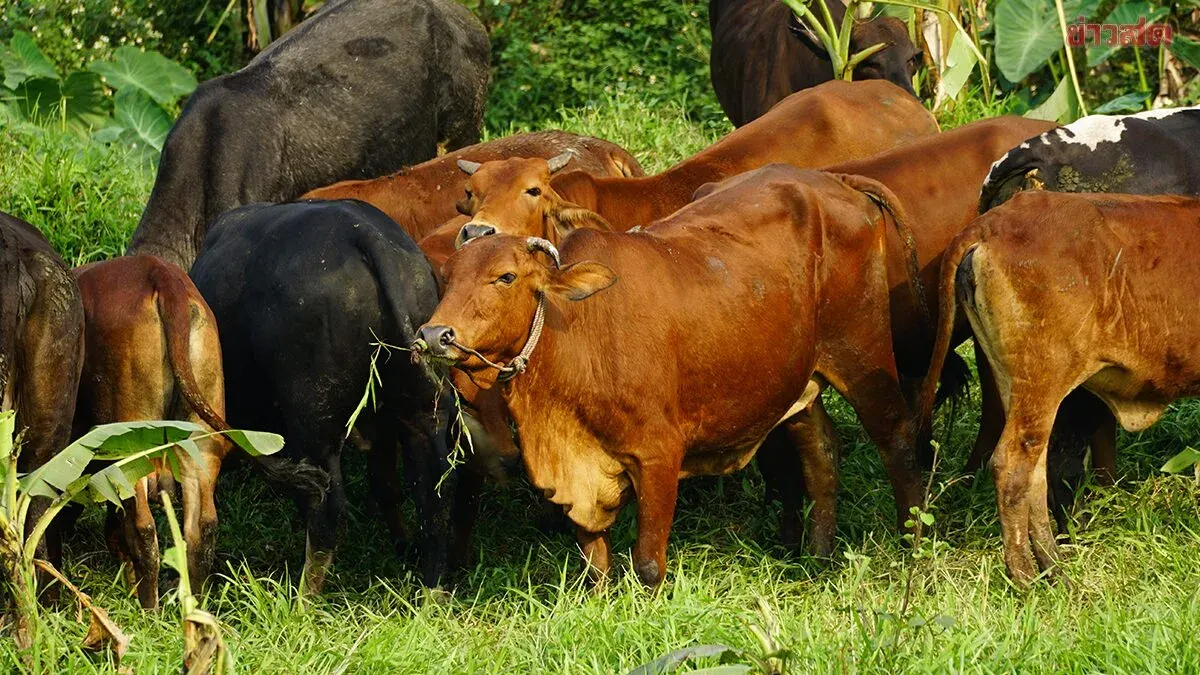
What is anthrax? Learn about this severe animal-to-human infectious disease, a silent threat to life, including its symptoms and prevention methods.
Anthrax is a zoonotic disease caused by the gram-positive bacterium Bacillus anthracis, a rod-shaped organism found in soil that can contaminate livestock and wildlife. The bacteria form spores capable of surviving in suitable environments for many years. The disease occurs in herbivorous cud-chewing animals including cattle, buffalo, goats, and sheep.
Assistant Professor Dr. Tharadol Lueangthongkam of Chulalongkorn University's Faculty of Veterinary Science explains that Thailand has recorded anthrax cases in Don Tan District, Mukdahan Province, and in Tak, Kanchanaburi, Phitsanulok, Chiang Mai, and Phichit provinces, though not in continuous outbreaks.
How to identify infected animals:
Cattle and buffalo: Sudden death, often with dark blood flowing from body openings such as nose, mouth, eyes, and anus. Carcasses do not stiffen, become bloated, rot, and decompose easily. Other animals: Symptoms may not be obvious, but some may show neck swelling, depression, loss of appetite, fever, difficulty swallowing, and diarrhea.
However, pigs, horses, and pets such as dogs and cats can also be infected, though dogs and cats have relatively high resistance. Most pets become infected from eating raw meat of animals that died from anthrax.
Three forms of human anthrax infection:
Cutaneous: From direct contact, affecting those who butcher animals or have even minor hand wounds. Contact with infected meat or carcasses allows bacteria entry. Symptoms include a 'malignant pustule' with surrounding edema and a black necrotic center resembling a cigar burn. Gastrointestinal: From consuming raw or undercooked meat from infected animals. Symptoms include abdominal pain, nausea, vomiting, fever, loss of appetite, and sometimes bloody diarrhea. Inhalation: From breathing in microscopic spores, commonly affecting workers in textile factories processing animal hair and hides from outbreak areas.
Initial symptoms often resemble common flu with fever, sore throat, or dry cough. If symptoms become severe, patients develop airway obstruction, breathing difficulty, respiratory failure, and rapid death.
Prevention:
Avoid contact with infected animals or carcasses, especially in areas with previous outbreaks. Wear protective gear when handling animals or carcasses: gloves, masks, protective clothing. Wash hands immediately after animal contact and keep equipment clean. Choose certified safe meat and food products. Do not eat raw or undercooked animal products; cook thoroughly.
Although anthrax is not common, it is a severe zoonotic disease, particularly when spores enter via the respiratory system. Report unusual animal deaths to livestock officials immediately, monitor for symptoms, avoid risky behaviors, and practice proper hygiene.
Understanding anthrax after human deaths: 247 people at high risk after eating beef at a cloth-offering merit ceremony.
Source: Chulalongkorn University / MedPark Hospital