Thailand Issues Monkeypox Symptoms and Prevention Advisory
Thailand issued a monkeypox advisory outlining symptoms such as fever and rash. Prevention includes avoiding wild animals and maintaining hygiene
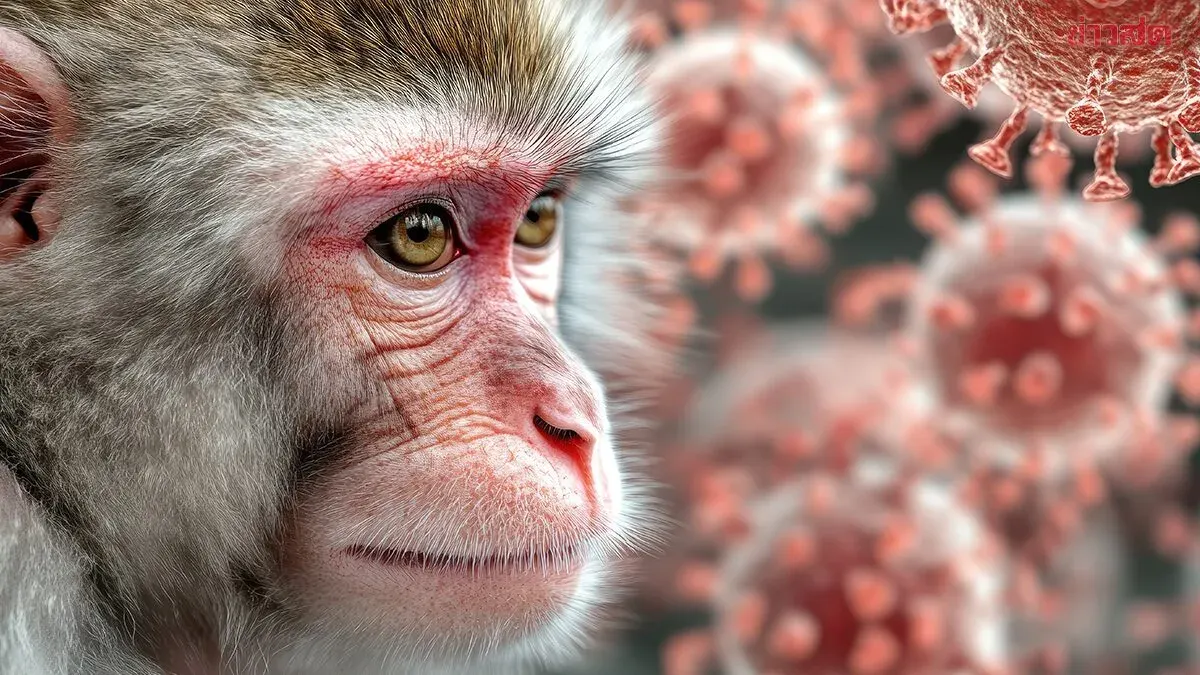
Monkeypox is caused by a DNA virus in the Orthopoxvirus genus, the same group as smallpox. It originates in animals, primarily monkeys and rodents such as rats, squirrels, and rabbits, and can transmit from animals to humans. First discovered in monkeys, the disease is endemic in Central and West Africa before spreading to other regions.
Monkeypox and smallpox differ significantly despite both being Orthopoxviruses causing rash illnesses lasting 2-4 weeks. Smallpox spreads mainly human-to-human via respiratory droplets, making it highly contagious, while Monkeypox transmits through direct contact. Smallpox has been eradicated globally after vaccination campaigns; Thailand stopped smallpox vaccination in 2019.
Monkeypox transmission includes animal-to-human contact via blood, secretions, pustules, bites, or undercooked meat, and human-to-human through direct contact with lesions, respiratory secretions, intimate contact, contaminated items, and mother-to-child during pregnancy.
Symptoms appear after a 5-21 day incubation in two phases: first, 1-5 days of high fever, chills, headache, muscle aches, fatigue, and swollen lymph nodes (a key distinction from smallpox); then, 1-3 days after fever onset, a rash progresses from face to body including palms and soles, evolving from macules to papules, vesicles, pustules, and scabs, with possible lesions in the mouth, genitals, and anus.
Prevention measures include avoiding unprotected sex, wearing masks especially near patients, avoiding wild animal contact and eating only thoroughly cooked meat, not sharing personal items, frequent handwashing, and regular cleaning of clothes and bedding.
In summary, Monkeypox is a zoonotic viral disease with initial flu-like symptoms followed by distinctive rash and pustules. Authorities recommend avoiding wild animals, maintaining personal and communal hygiene, frequent handwashing, and mask-wearing to reduce risk and protect others. Sources: ch9airport, rama.mahidol, sikarin, siphhospital, praram9. Compiled by Khaosod Online news team.