Foot-and-Mouth Outbreak Kills 100+ Cattle in Songkhla's Na Mom District
A foot-and-mouth disease outbreak in Na Mom district, Songkhla province, has killed more than 100 cattle. Livestock and district officials have launched a coordinated response including farm inspections, vaccination drives, and a strict ban on animal movement from the affected zone. Farmers are urged to report symptoms immediately and avoid consuming or processing sick animals.
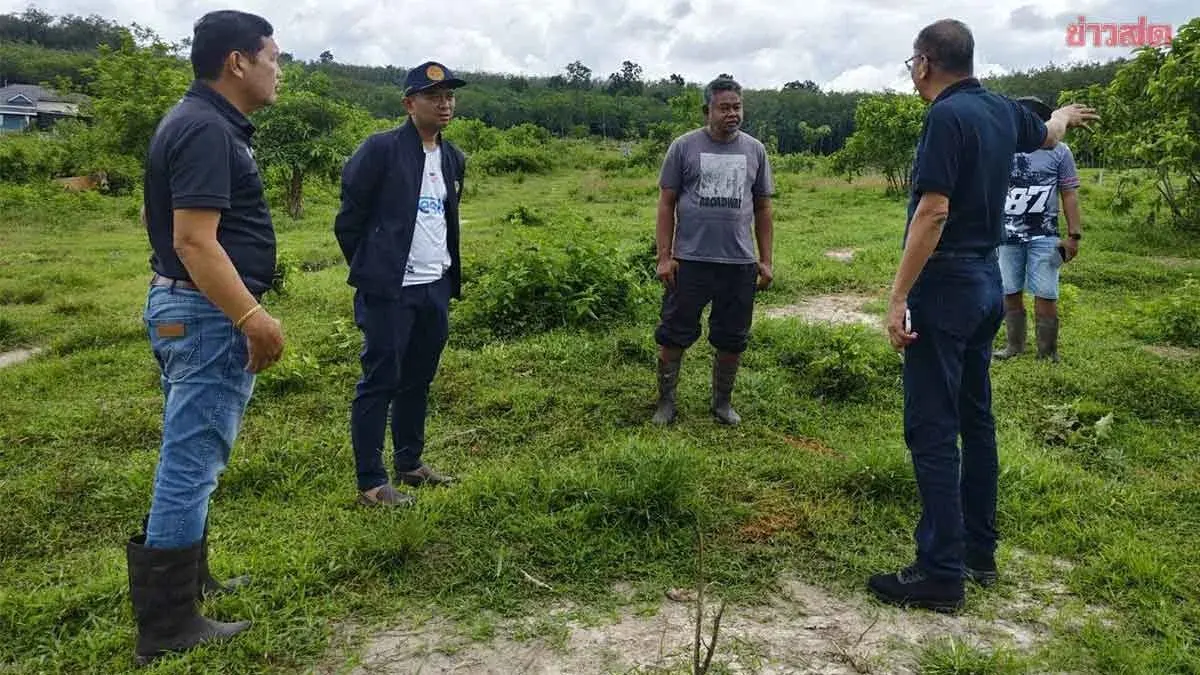
Songkhla livestock officials integrated with the administration to inspect the Na Mom area and track the foot-and-mouth disease situation after over 100 cattle were confirmed dead from the disease. The situation in cattle across Na Mom district, Songkhla province, remains a close concern. Local agencies, including the livestock office and administration, are urgently coordinating to control the outbreak.
Na Mom District Chief Jarinsak Songsunwan visited cattle farmers to build understanding of the disease situation, prevention methods, and request cooperation in following control measures.
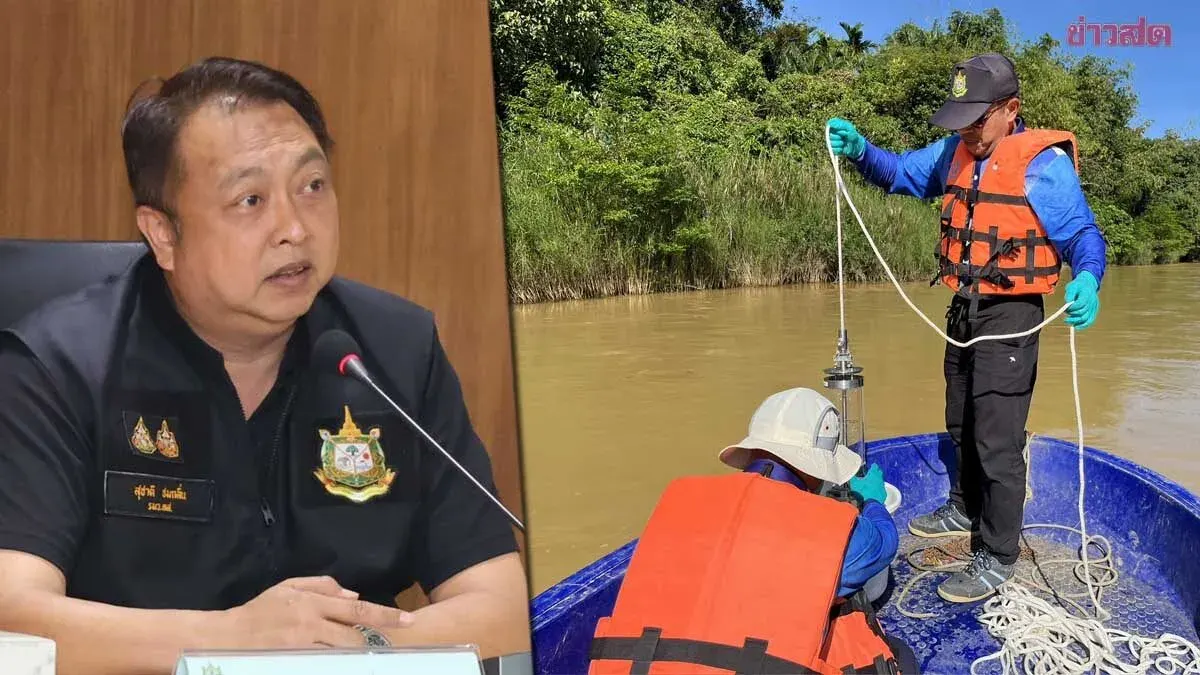
Songkhla Provincial Livestock Officer Pinij Sawatdirak inspected the outbreak area in Na Mom district to monitor the situation, examine sick animals, and advise farmers on care and prevention. Foot-and-mouth disease is a viral infection affecting cloven-hoofed animals such as cattle, buffalo, pigs, goats, and sheep, and spreads rapidly, especially during humid, rainy conditions.
Pinij explained that since there is no direct antiviral treatment, care is symptomatic under veterinary guidance: separate sick animals from the herd, maintain pen cleanliness, provide adequate food and water, and treat mouth and hoof lesions to prevent secondary infections. For uninfected animals, farmers should bring them for vaccination as advised by livestock officials to build immunity and reduce risk.
Pinij requested farmers cooperate by not moving cattle or other cloven-hoofed animals out of the outbreak zone, avoiding introducing animals from outside sources, separating sick from healthy animals, and regularly cleaning and disinfecting pens, buildings, equipment, and farm vehicles. If animals show fever, lethargy, loss of appetite, excessive salivation, blisters, or lesions on the mouth, tongue, or hoof clefts, farmers must immediately notify livestock officials.
"We ask farmers to continuously watch for abnormal symptoms in their animals and strictly follow disease prevention measures. While foot-and-mouth disease generally does not infect humans, sick or dead animals of unknown cause should not be consumed or processed for food, and officials should be notified for proper handling," the Songkhla Livestock Office stated.