Senator Blasts Ministers for Dodging Five Parliamentary Questions
A senator condemned government ministers for failing to appear and answer five parliamentary questions, calling their absence an evasion of public accountability and warning the Prime Minister that such conduct undermines public confidence
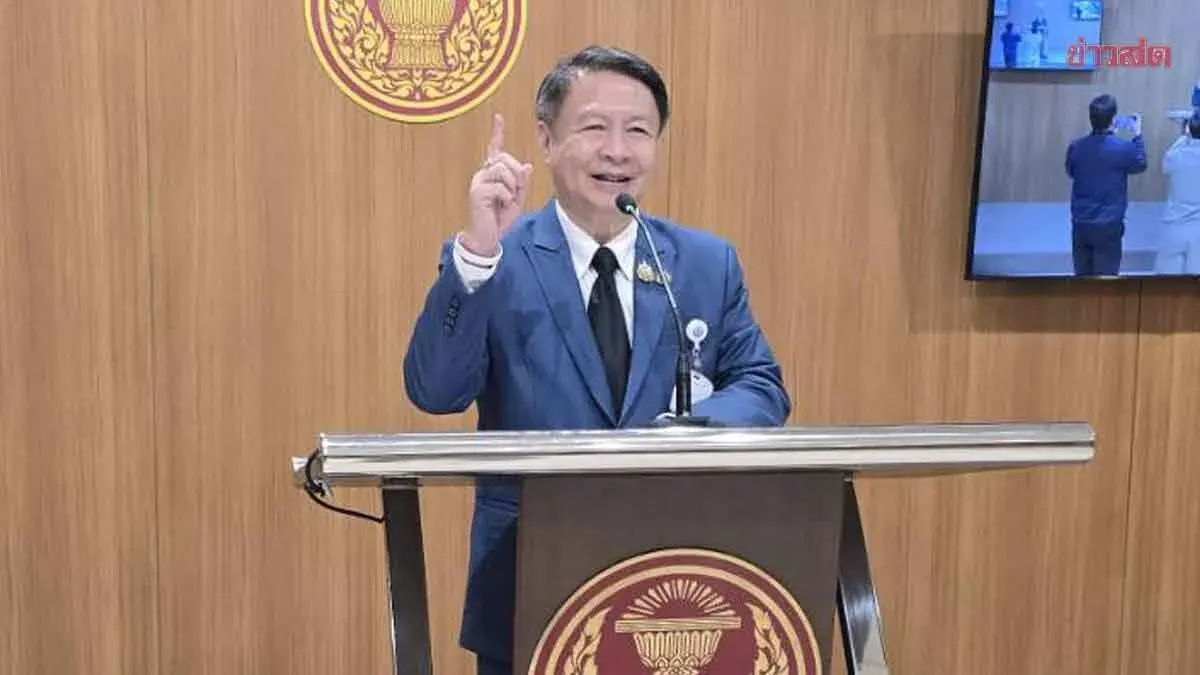
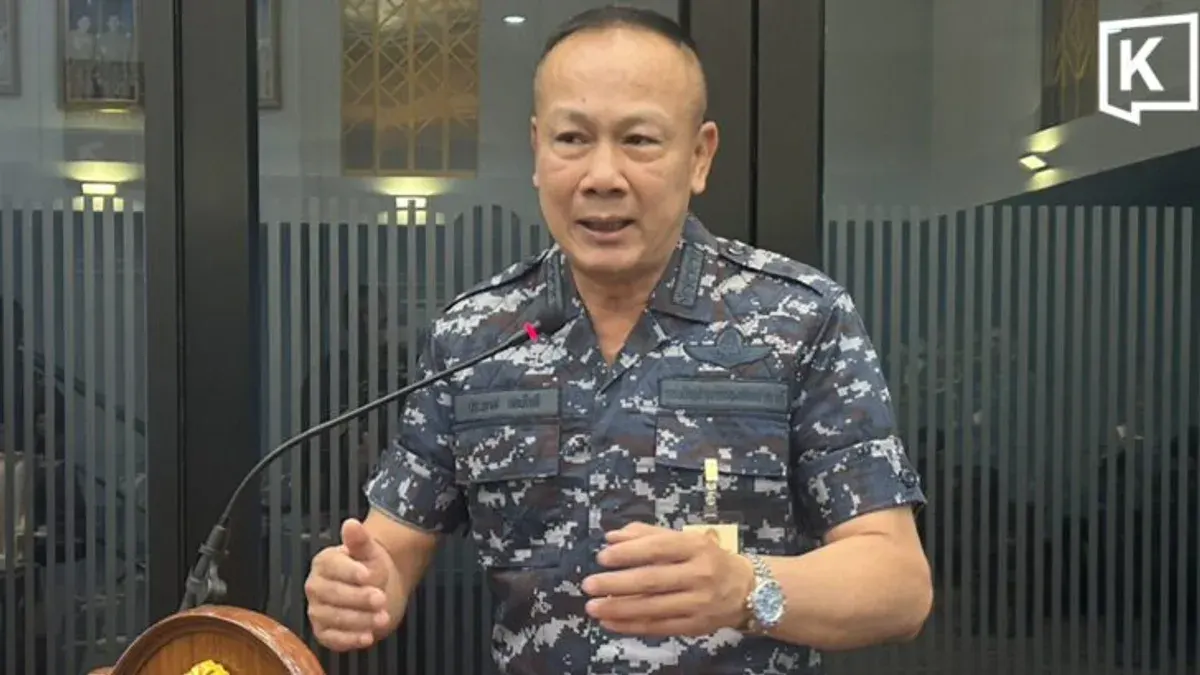
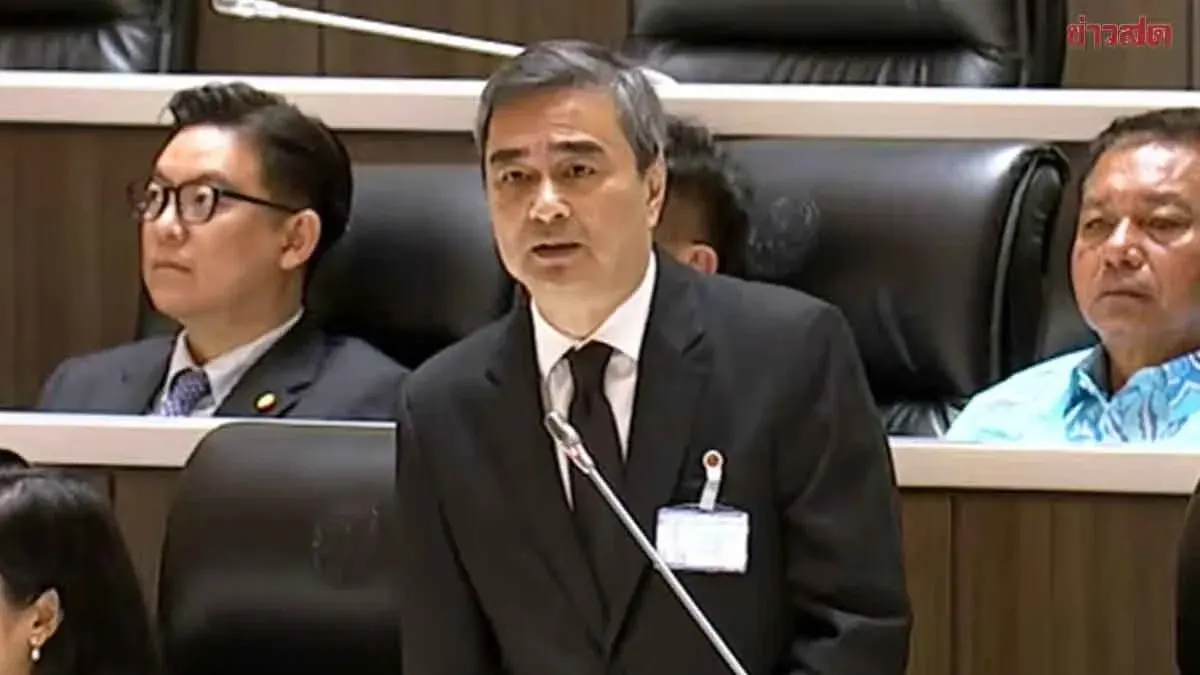
On September 7, 2569 at parliament, Senator Premsakdi Piyayura delivered a scathing critique of the executive branch's performance after no ministers appeared to answer five oral questions raised by senators that day. He recalled previously warning Prime Minister Anutin Charnvirakul and the cabinet to avoid repeating "historical mistakes" of evading questions, dodging motions, or sidestepping parliamentary commissions, as such conduct would become a stain on the government.
Premsakdi stated that while the Prime Minister's absence due to foreign duties could be understood if duties were delegated to a deputy prime minister or relevant minister, ministers who accept delegation must still be accountable to parliament. "Ministers accept their positions but are unprepared to answer questions," he said. "We must ask: are they prepared to take responsibility to the country and people? The ministerial position is not merely for cutting ribbons, opening events, issuing statements, or serving as a backdrop to the Prime Minister."
He emphasized that parliamentary questions are not optional invitations but a parliamentary oversight mechanism and questions asked on behalf of the public. Declining to answer amounts to evading the people themselves. Premsakdi called on the Prime Minister to firmly direct ministers to comply, warning that if ministers ignore the PM's orders, public confidence in other government policies would collapse.
"Ministers accept power but cannot deny responsibility," Premsakdi said. "They receive salaries, official cars, staff, and prestige, but when questioned claim to be busy or ask for postponement. In practice, postponing an oral question means the question is lost."
Premsakdi also discussed a question he planned to raise to the Sports and Tourism Minister about systemic support for Thailand's women's volleyball team following their recent success. He questioned whether the government has a long-term plan to develop Olympic-capable sports systematically through sports science, budgeting, and team development, rather than simply opportunistically celebrating victories.
He criticized the government for appearing to capitalize on the team's success rather than demonstrating concrete support from the start. "Six volleyball players created smiles for all Thailand. Has the entire 35-member cabinet ever done the same?" he asked. Premsakdi concluded that failing to answer questions, even briefly, risks damaging government credibility more than anticipated, and urged the Prime Minister to recognize that accepting power requires accepting accountability.