Senator Prem Slams Skill Fund, Proposes 7 Reforms for Overseas Workers
Senator Dr. Prem Sakdi criticised the Skill Development Fund for judging success only by the number of workers sent overseas, leaving many poor Thais trapped in a cycle of costly, risky migration. He presented seven reforms — ranging from employer‑driven training and international standards to digital literacy, fraud protection, fair contracts, and post‑return career support — to ensure Thai workers gain real skills, safety, and lasting livelihoods.
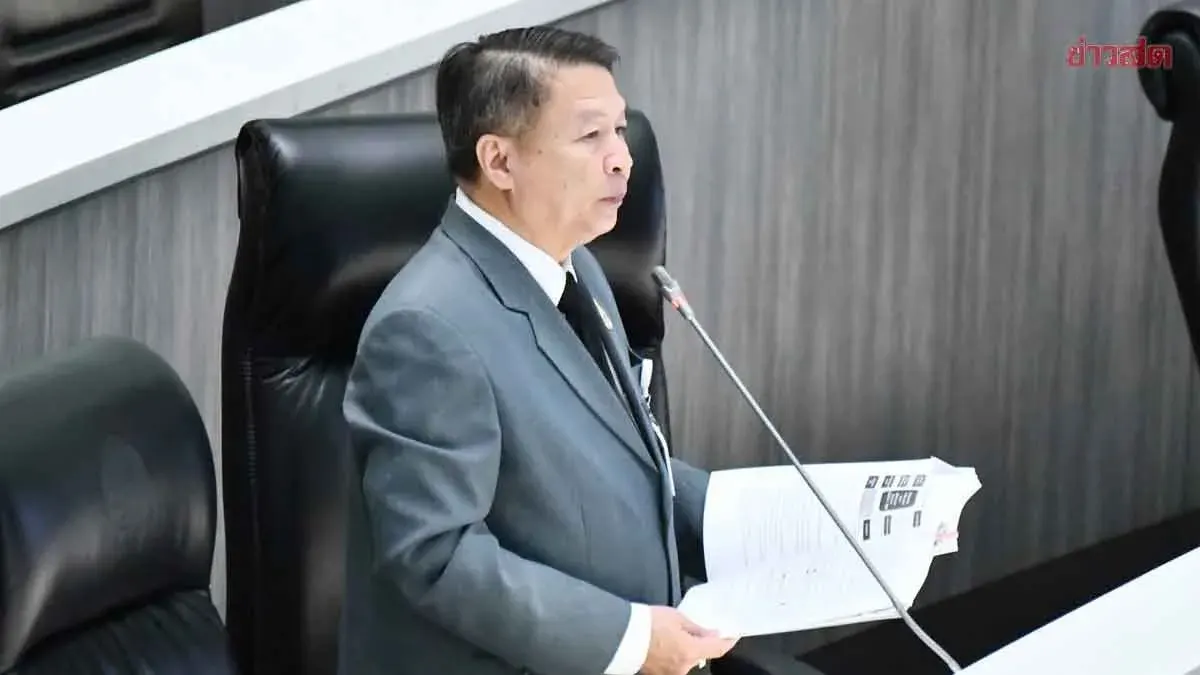
On October 20, 2026, at Parliament, Senator Dr. Prem Sakdi Piyayura addressed the Senate during its review of the auditor's report and the 2025 financial statements of the Skill Development Fund under the Department of Skill Development. He called for a comprehensive upgrade in the preparation of Thai workers for overseas employment, covering training that matches employer demands, rights and safety protection, and the application of acquired skills to careers back in Thailand, so that workers are not forced into a repetitive cycle of migrating abroad due to poverty.
Dr. Prem noted that for many workers, going abroad is a major life investment; some sell land to cover recruitment costs, while others face life‑threatening risks. Thorough preparation is essential, especially as foreign labour markets change rapidly. He cited Ministry of Labour data from July 2026 on Japan’s Specified Skilled Worker programme, which links to a new skilled‑worker status, and stressed that the global workplace increasingly relies on information technology, digital systems, and artificial intelligence. Thailand must therefore equip workers with language proficiency, vocational skills, and new competencies aligned with the jobs they will perform.
Dr. Prem outlined seven key proposals: 1. Know employer needs before training. The Ministry of Labour must survey both worker supply and employer demand in destination countries, then design curricula that match. Data from the Department of Employment, the Department of Skill Development, and Overseas Labour Offices must be integrated and updated regularly. Training must answer what job, what tools, what tests, what language level, and whether earnings justify the investment, while also verifying the credibility of foreign employers and agencies. No single recruitment company should be favoured, and collusion between state agencies and private firms must be prevented; workers' interests must come first. 2. Train to standards accepted by destination countries. Thai training must link to internationally recognised professional standards so skills are immediately usable — for example, welding and elderly care must follow the methods and qualifications required abroad. Workplace language proficiency is critical for communication, understanding orders, and performing tasks correctly, and the Skill Development Fund should seriously improve and support this. 3. Add digital skills, fraud awareness, and contract literacy. Workers must be prepared to use digital tools and technology relevant to their jobs, understand work instructions, and acquire life‑skills for living abroad, including recognising scams and knowing how to seek help. Training should include simulated scenarios such as emergency problem‑solving and reporting channels. 4. Protect rights and safety throughout the journey. A one‑stop service centre should coordinate pre‑departure, on‑site, and post‑return assistance, with clear legal support and insurance coverage. 5. Ensure fair recruitment costs and transparent contracts. Recruitment fees must be capped, contracts written in Thai and the destination language, and workers must receive copies before departure. 6. Provide reintegration and career‑development support on return. Skills certification, entrepreneurship guidance, and job matching in Thailand should help workers leverage overseas experience domestically. 7. Monitor and evaluate outcomes beyond headcounts. Success metrics must include income improvement, skill utilisation, and worker well‑being, not just the number of people sent abroad.