Senator Proposes Six Measures to Eradicate Prison Corruption
Senator Premasak Piyayura outlined six anti-corruption measures for Thailand's prison system during a Senate hearing on corrections reform and OECD readiness. The proposals include transparent financial audits, independent external inspections, protected whistleblower channels, uniform treatment standards, staff rotation in key posts, and public disclosure of complaint data. Premasak linked genuine reform to Thailand's OECD ambitions and stressed fair treatment of all inmates, including political prisoners.
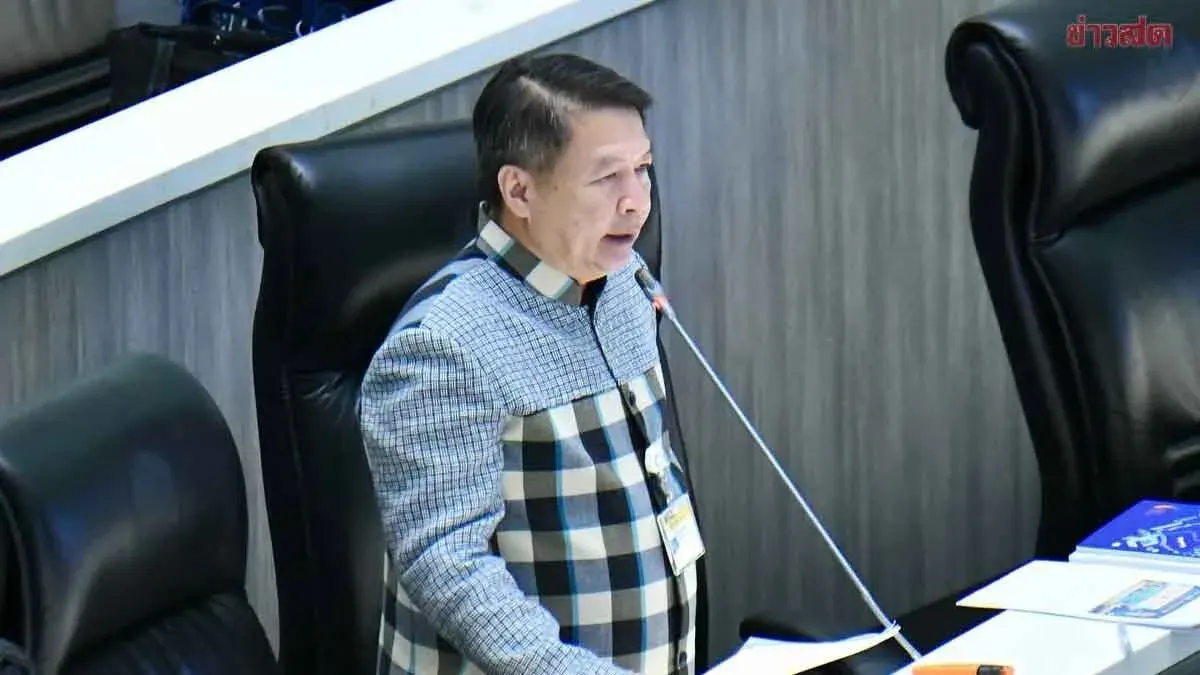
During a Senate meeting on November 23, 2026, Senator Premasak Piyayura addressed a report from the Constitutional Independent Organizations Committee on upgrading Thailand's corrections system to international standards, preventing prison corruption, and preparing for OECD membership. Premasak argued that reform must ensure fair treatment of political prisoners alongside enhanced transparency and basic rights for all inmates. Though political cases are fewer than general crimes, they touch the entire justice chain from police to courts to the Corrections Department, warranting scrutiny.
He stressed that OECD accession requires demonstrable rule of law and genuine anti-corruption efforts, especially in state agencies questioned for transparency. When complaints arise about prison operations, agencies must respond with verifiable data and evidence. Premasak highlighted public concerns over prison access privileges, special treatment, and medical services, urging clear audit processes and upgraded prison hospitals.
He also discussed IT adoption in prisons, citing Bang Kwang Central Prison as a model, and asked whether the committee had inspected Klong Prem Prison for applicable lessons. His six anti-corruption measures include: making all transactions, purchases, and audits traceable; allowing independent external inspections; creating safe complaint channels with protected whistleblowers and fixed response timelines; applying uniform standards for medical care, visits, and contraband; rotating staff in key positions to manage conflicts of interest; and publishing complaint statistics, investigation timelines, and outcomes.
Premasak emphasized that prisons must prioritize inmate safety and dignity while providing education and vocational training for successful reintegration. He urged the committee to compile proposals from the debate and forward them to the government and Justice Ministry for nationwide prison administration improvements.