Senator Questions Whether EEC Growth Truly Benefits Local Communities
Senator Dr. Prem Piyayut challenged the Eastern Economic Corridor Policy Office during a Senate session, demanding to know whether EEC industrial growth has genuinely improved local living standards. He pressed for transparency on pollution data, industrial waste accountability, water allocation, and the stalled Pluak Daeng 2 Hospital, while questioning whether compensation for affected fishing communities truly restores livelihoods.
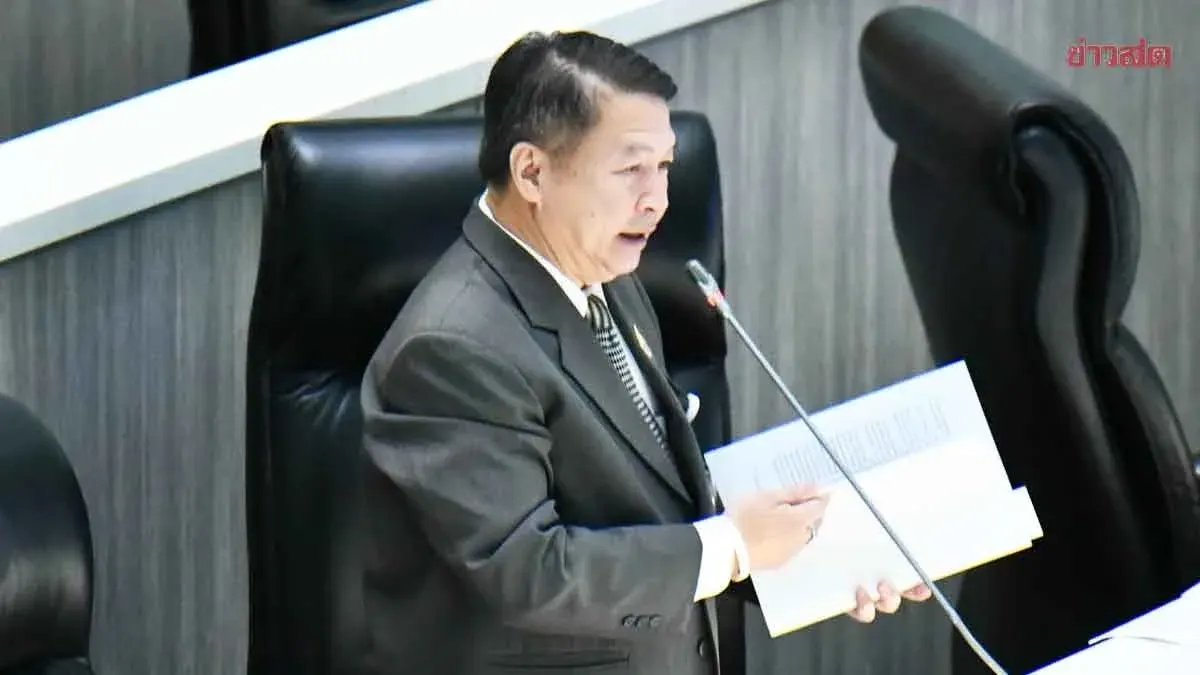
During the Senate debate on the Eastern Economic Corridor (EEC) Policy Office's annual reports, Senator Dr. Prem Piyayut questioned Secretary-General Chula Sukmanop about progress on the Pluak Daeng 2 Hospital project, asking whether long-standing disputes had been resolved and when the facility would open. He emphasized that the hospital is critical public health infrastructure for the area, where many migrant workers from the Northeast seek income to support families back home, yet industrial growth brings health costs that require adequate medical facilities.
Dr. Prem noted that during his 2023-2024 work in the Bowin area, the hospital project remained stalled, and he wanted to know how far the EEC Office had advanced in removing obstacles. On health impacts, he observed that despite multiple laws and regulations, violations persist, and demanded clarification on management of industrial waste, hazardous byproducts, and pollution affecting residents — particularly cancer risks and chemical impacts on children, as locals refuse to become a "cancer village."
"How much does the EEC prioritize health risks versus merely presenting economic growth figures?" Dr. Prem asked. "I support EEC growth, but it must answer whether Thai people and local communities genuinely receive opportunities — jobs, income, and career development. I worry about foreign capital competition, especially Chinese investment, affecting Thai livelihoods. What government measures address this?"
He stressed that the EEC encompasses both agricultural and traditional fishing communities whose futures must be considered, and that public participation is essential from project planning through impact assessment. Citing foam and waste invading homes in Bowin subdistrict, Sri Racha, Chon Buri, he said agencies must show how they fix problems when prevention fails.
Regarding the Laem Chabang Port Phase 3 project, which paid approximately 202 million baht in compensation to 380 fisherfolk and mussel farmers, Dr. Prem asked whether follow-up confirmed recipients had restored their livelihoods and achieved stable income. Compensation should not end at payment, he said, but must ensure lives and occupations are truly restored.
Dr. Prem also raised concerns about water management, citing the Klong Wang Tanod reservoir project in Chanthaburi province.