Senator Seeks Answers on Thailand's Billion-Baht Nurse Plan
Senator Prem Sakd Piayura pressed Health Minister Pattana Phomphat to explain the Community Volunteer Nurse programme after the minister postponed answering a parliamentary question. He criticised the plan’s use of public funds, its potential for political patronage, and its overlap with existing village health volunteers, demanding transparency on selection, costs, and health outcomes. The senator urged the ministry to clarify the scheme’s necessity and to prioritize hiring waiting professional nurses instead.
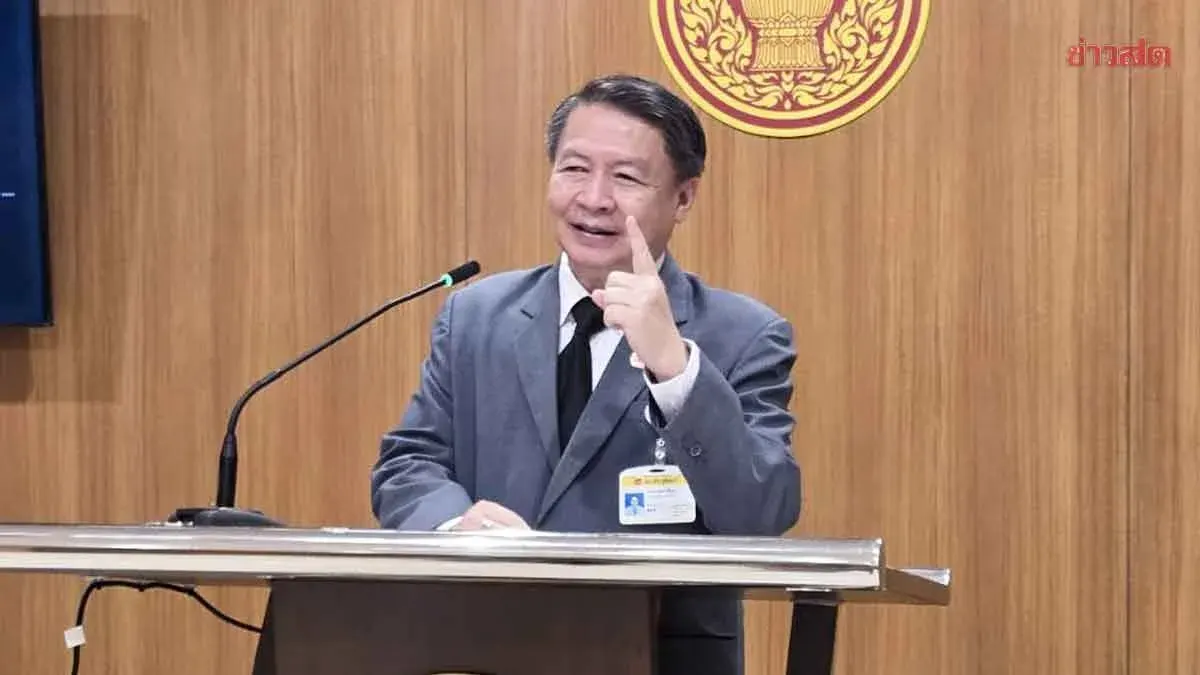
Prem Sakd Piayura stated that he had submitted a live question to Minister Pattana Phomphat regarding the Community Volunteer Nurse (CVN) project, which has sparked conflict among health professionals, especially as the Thailand Nursing Council seeks 100,000 signatures against it by the end of the month. When his office contacted the minister, they were told the minister was not ready to respond and asked for a postponement, which Piayura said was unacceptable and urged that the controversy be resolved and the best answer found for the public.
He said the project aims to increase health‑care manpower. In its first phase it will recruit 7,256 people, one per sub‑district, with a monthly allowance of 15,000 baht. Selection will be handled by provincial public health offices, with the Department of Health Support Services as the lead agency. Applicants are divided into three groups based on educational background and qualifications before undergoing training ranging from 30 to 240 hours.
Piayura noted that, entering fiscal year 2026, about 600 sub‑districts still lack selected personnel. He criticised the reliance on interviews without academic testing, warning that this could open the door to patronage hiring. He called on the ministry to disclose clear criteria and ensure transparency.
The first‑phase budget amounts to 1.306 billion baht. If the scheme expands to one volunteer per village, the annual cost could rise to 13 billion baht. Piayura questioned why the ministry prefers to create a new personnel category instead of expediting the hiring of waiting professional nurses or strengthening staff at hospitals and sub‑district health centres (Rop Sot). He also warned that distributing allowances to every sub‑district, and potentially every village, might be using public funds to build a political base, and demanded the ministry clarify the necessity, value for money, and health outcomes of the project.
He expressed concern about duplication with existing village health volunteers, community carers, dependent‑person caregivers, case managers, and sub‑district health centre staff, insisting the ministry must define exactly what CVNs may and may not do, especially regarding medical treatment and public safety. 'You cannot take someone with only short training and expect them to perform like a fully qualified nurse,' he said.
Furthermore, Piayura urged the release of long‑term budget plans, employment contract terms and benefits, and an assessment of future obligations before any expansion. He asked for input from nursing professional organisations and academic bodies to reach a joint solution.
He pointed out that while the government aims to reduce civil‑service numbers, it is simultaneously adding personnel through this scheme, and therefore must explain how the policy aligns with that goal and justify the additional spending by showing better results than simply reinforcing the existing workforce. He also pressed for a timeline on hiring the waiting professional nurses.