Senator Demands Accountability Over Thai PBS Procurement Practices
Senator Premsak Piayurayut is demanding Thai PBS explain why it outsources documentary production to external contractors despite having in-house staff and equipment, citing millions of baht in selective procurement contracts that lack publ
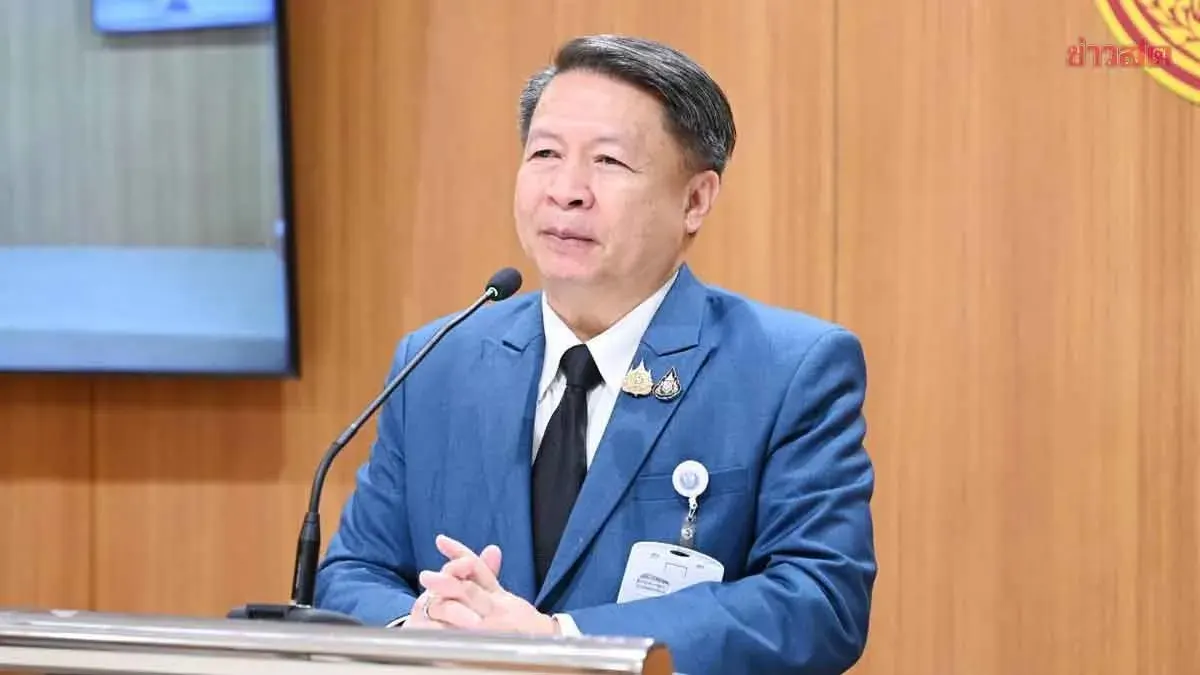
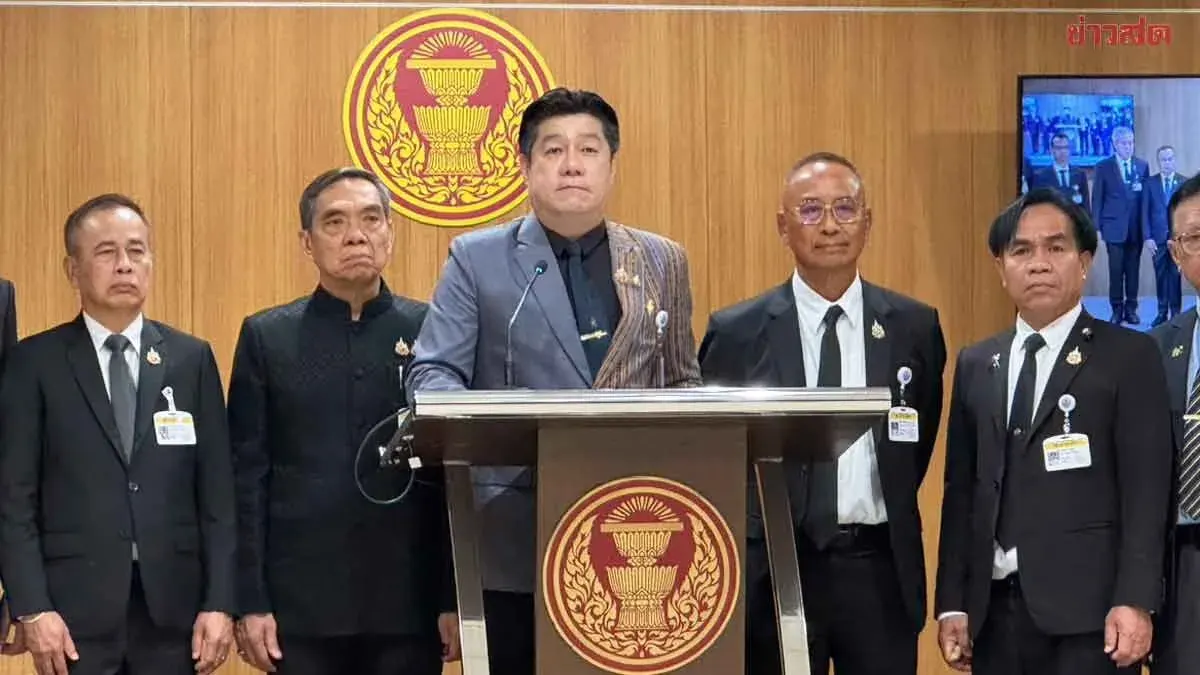
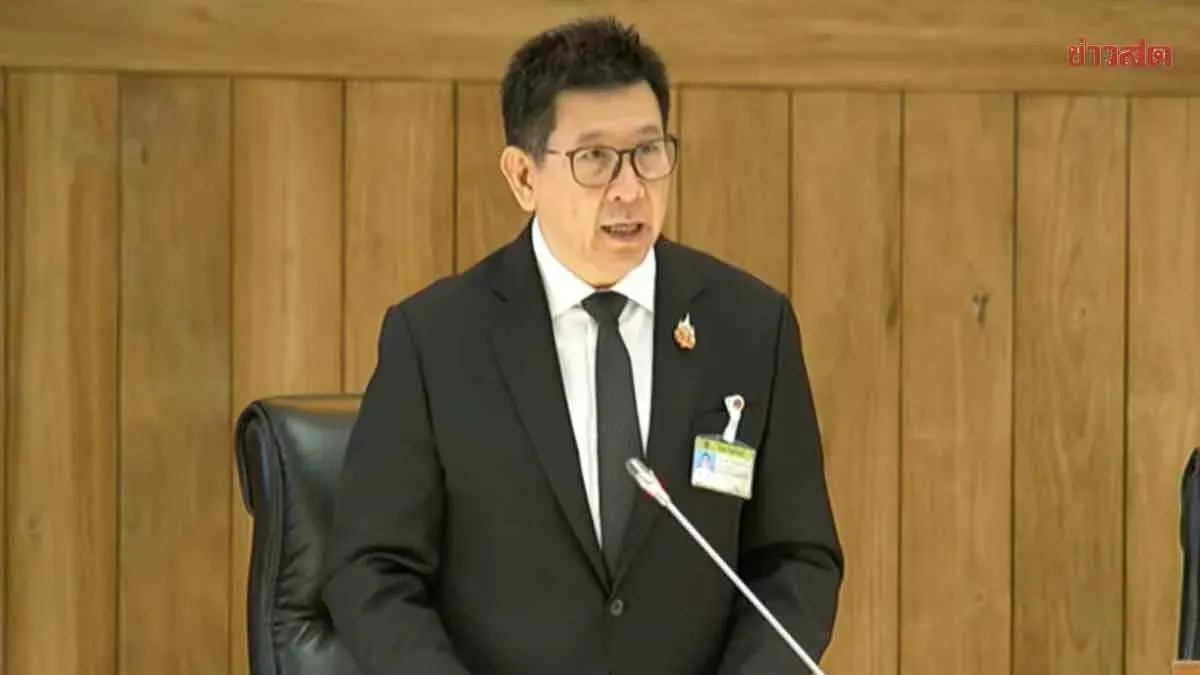
On September 11, Senator Premsak Piayurayut revealed that following Senate deliberations last week on Thai Public Broadcasting Service's performance report, the broadcaster's management promised to submit budget clarification documents to the Senate within one month. As the deadline approaches, Premsak is pressing for concrete answers, particularly regarding procurement practices questioned for necessity and value.
One key concern centers on Thai PBS contracting external individuals or organizations to produce documentary content despite having in-house personnel, equipment, data, and production infrastructure. Premsak questioned why the organization's internal capacity was not utilized first and whether outsourcing creates redundant work, overlapping staffing, and duplicate budgeting. "If we have in-house staff and a budget for them, but we still need to hire outsiders to do the actual work, the public has every right to ask why they're paying twice," he stated.
Premsak cited specific examples: on June 9, 2024, Thai PBS announced a selective procurement contract to produce a "50-Year Documentary on October 6" for 560,000 baht to the Isan Public Education and Media Foundation. In 2023, the broadcaster also contracted 3344 Limited for 1 million baht to produce short clips and data visualizations commemorating October 14, 1973.
Premsak noted these figures require public explanation detailing costs, justification for external hiring, value for money, and why many procurements use selective tendering rather than open competitive bidding. He also referenced a May 20 contract to hire Anupong Chaiyaritthi for 168,000 baht to write articles and analysis, which was canceled on August 13 after social media criticism, with no clear explanation for the three-month delay.
"Using public funds with frequent selective procurement requires transparency," Premsak emphasized. "We need to understand the reasons, necessity, and guarantees that the state and taxpayers receive maximum benefit."