Senator Warns Thai PBS Funding Shift Threatens Media Independence
Senator Prem Sak Piayura warned that shifting Thai PBS funding from sin tax to the general budget could undermine its independence and turn it into a government mouthpiece. He called for a comprehensive reform to make Thai PBS truly public media, citing alleged internal influence, irregularities, and conflicts that need investigation. He also criticized the broadcaster for failing to provide promised explanations on issues such as double salaries and procurement practices.
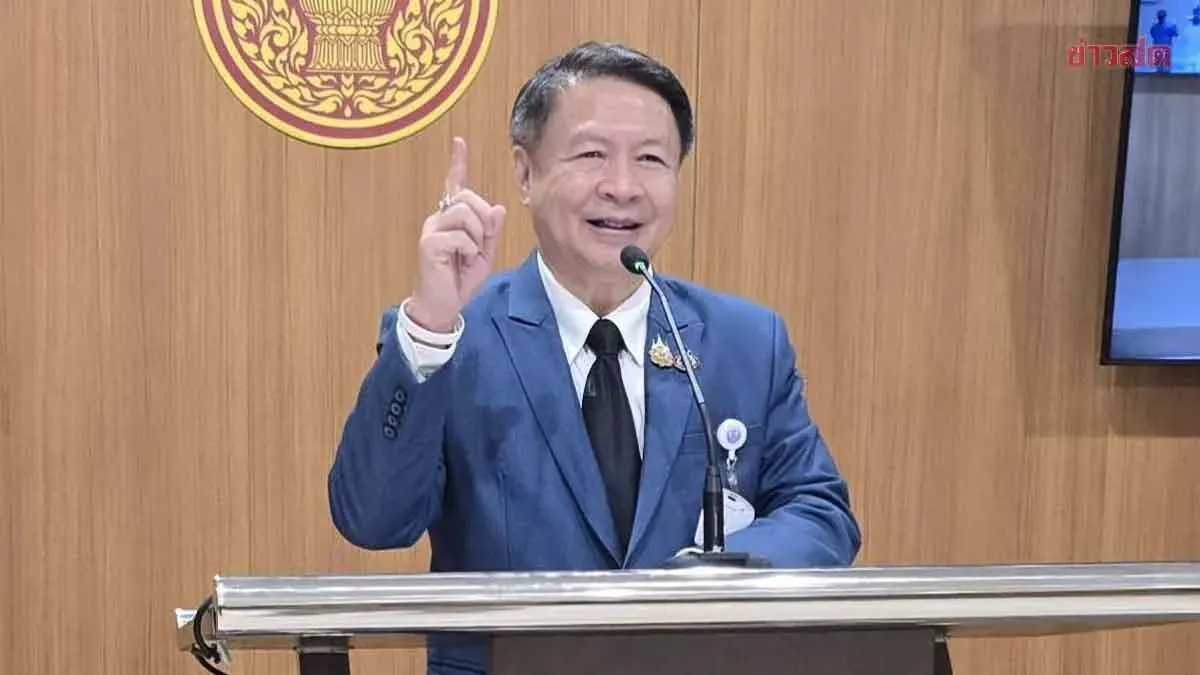
Doctor Prem criticizes proposal to shift Thai PBS funding from sin tax to general budget, warning it could turn independent media into a government mouthpiece, urging a restructure to make it truly public media not serving special interests. On October 5, 2026, Senator Prem Sak Piayura gave an interview regarding the case where a MP from the Bhumjaithai Party proposed amending the law to change Thai PBS's funding source from alcohol and tobacco tax, or sin tax, to the regular budget. He questioned the impact on public media's independence and urged the government to consider all aspects thoroughly, including organizational structure, personnel, assets, and long-term direction.
He said Thai PBS should not be viewed merely as a television station, because public media encompasses all forms of media that create benefits and promote national development. If sin tax funding were withdrawn and Thai PBS had to rely on the regular budget, its status would not differ from that of a state television station, affecting the important principle of independence in media work.
He recalled the push for independent media after the May 1992 crackdown, when blocked news led society to demand media that does not close the eyes and ears of the public, an important context in the journey from ITV to Thai PBS. Therefore, we must uphold the principle of public media independence; if not, what is the point of keeping the organization? It would be better to abolish it, because making it a state media again would be unnecessary and a waste of budget.
He added: 'If Thailand still wants public media, the solution should be to reform Thai PBS to work comprehensively across all media systems and make the public truly its owners, not as it is today. As far as I know, inside Thai PBS there are problems of influential groups taking over the organization, irregularities, and internal conflicts that need to be investigated and explained to the public.'
He said he had previously raised these questions in the Senate and received word from Thai PBS executives that they would provide details within one month, promising since September 25, but the deadline has long passed without receiving the promised report, especially regarding suspicions of executives receiving double salaries, procurement processes that often use specific methods favoring the same companies, and questionable dealings.
He urged that explanations be sent quickly, asking what the investigation results are, whether any penalties have been imposed, how they were carried out, and who is responsible, because these are questions for the public interest; the organization should answer clearly, otherwise it shows disrespect for oversight mechanisms and is no different from a typical government agency, which would not qualify as public media, and how could the public protect it?
He concluded: 'I am a senator, representing the Thai people; I ask for the public interest, not personal gain. I have no involvement in business interests related to this matter.'